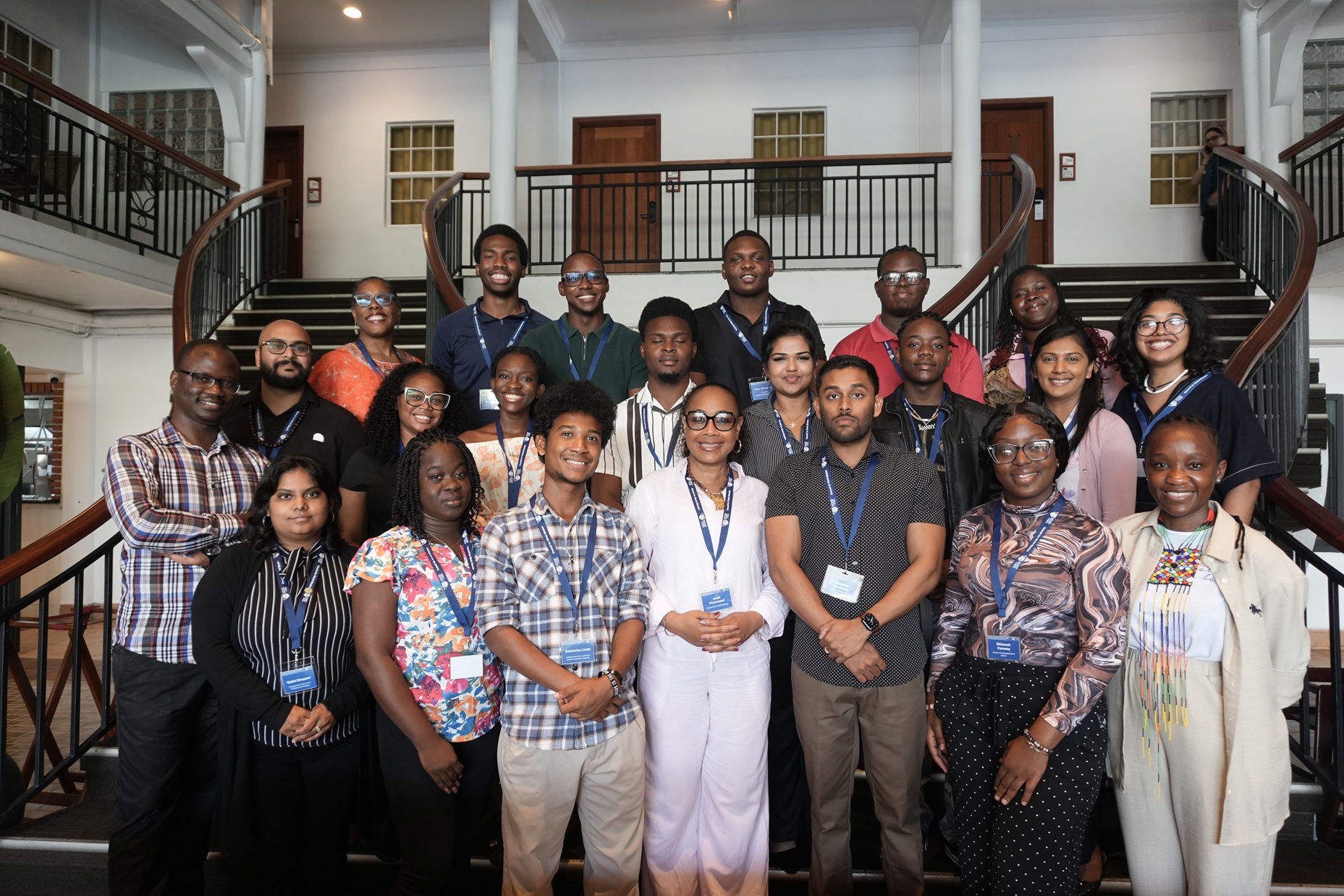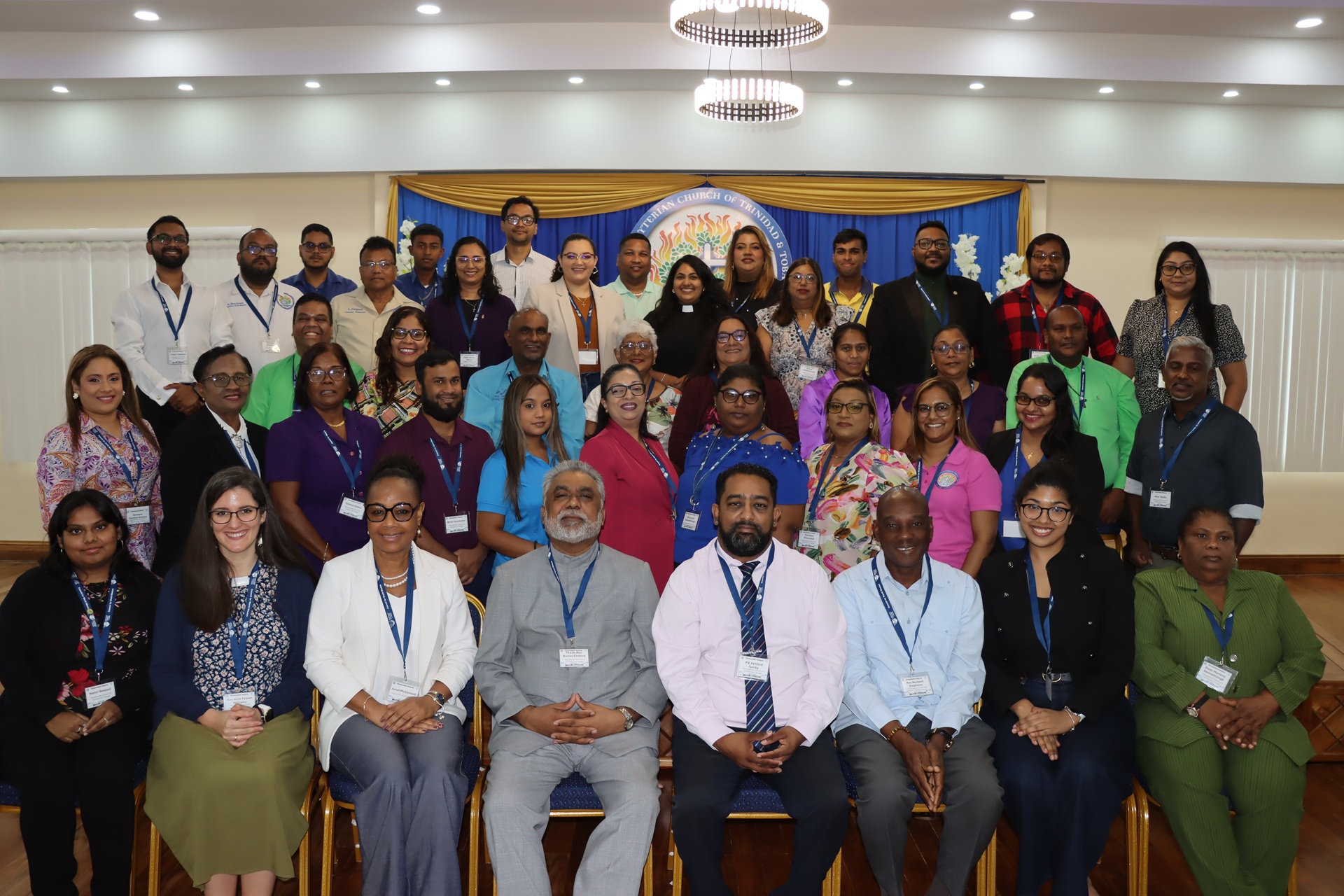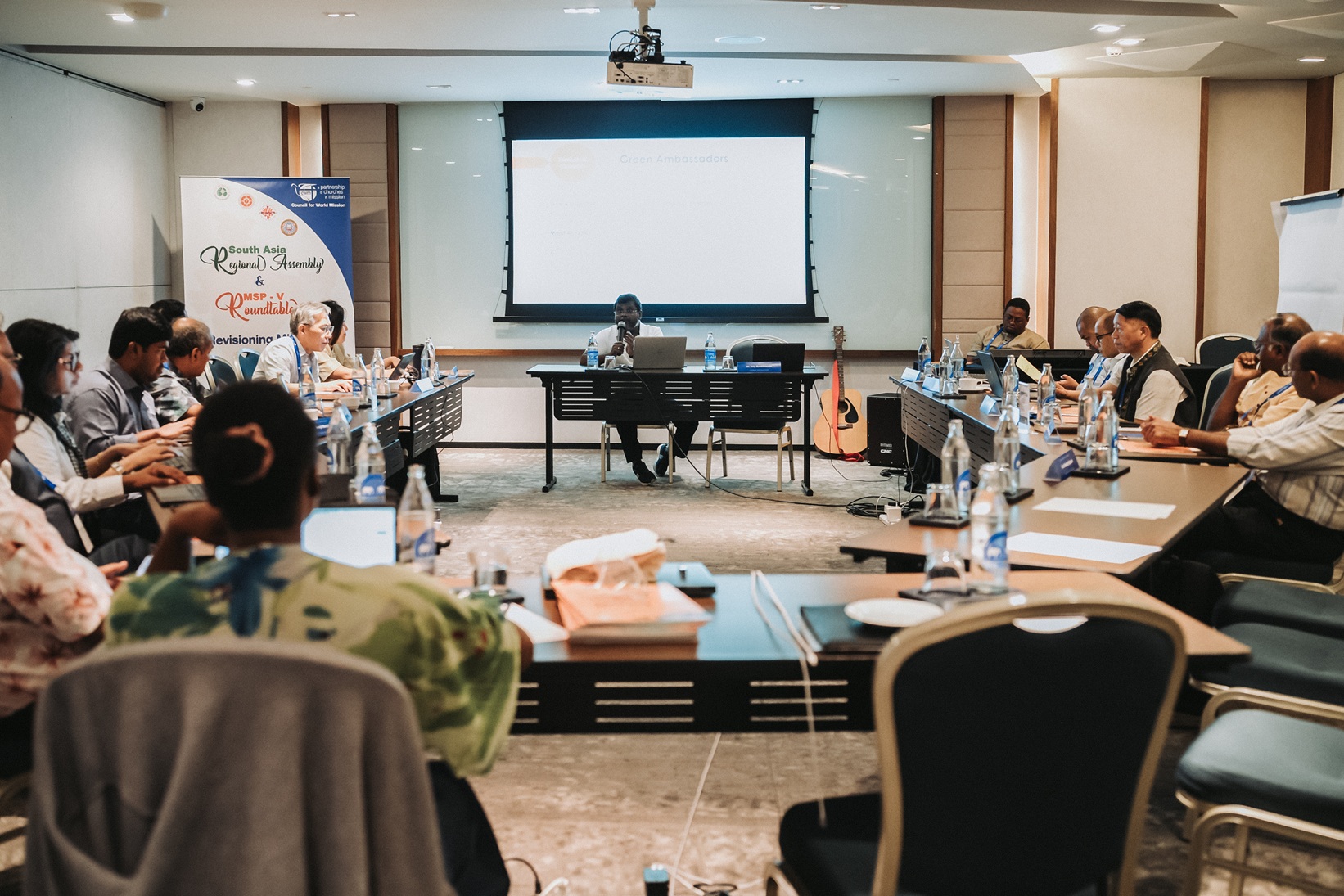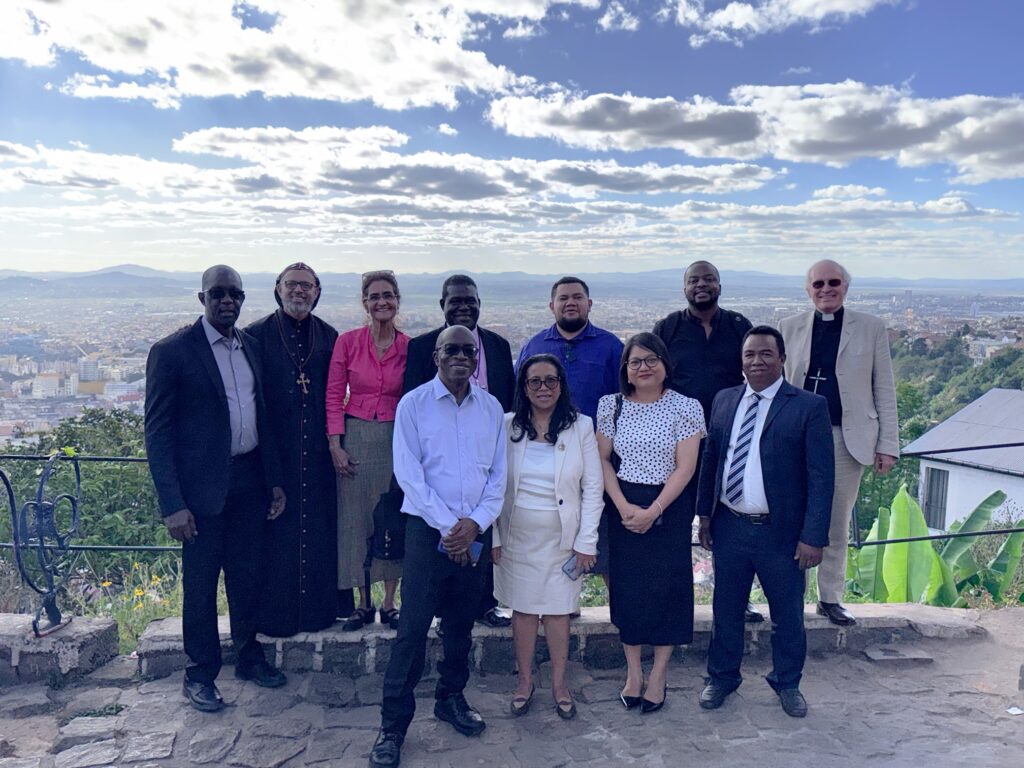
The Council for World Mission’s (CWM) Programme Reference Group (PRG) met in Antananarivo, Madagascar, from 8 to 10 May, bringing together PRG members, CWM leadership, programme staff, member church representatives, and ecumenical partners from Africa, East Asia, South Asia, the Caribbean, Europe, and the Pacific.
Participants reflected on the realities shaping their churches and communities while discerning how CWM’s programmes can continue to respond faithfully in a rapidly changing world.
Held as part of CWM’s journey towards its Jubilee, the gathering focused on strategic reflection, accountability, and theological discernment. Discussions explored how CWM’s mission priorities can strengthen life-flourishing communities, deepen radical discipleship, and advance reparative justice amid growing global uncertainty.
The meeting in Madagascar also carried symbolic significance. Participants expressed solidarity with the host church—Church of Jesus Christ in Madagascar (FJKM)—and the people of Madagascar while recognising the island’s place within histories of mission, colonial encounter, and the trans-Indian Ocean slave trade.
A key feature of the gathering was the joint engagement between the PRG and The Onesimus Project (TOP) Core Group. Discussions centred on CWM’s Jubilee journey, reparative justice, and the role of TOP in shaping the future ethos of CWM’s mission.
CWM General Secretary Rev. Dr Jooseop Keum addressed the joint session, reflecting on the church’s witness in the face of life-denying systems.
“CWM’s Jubilee is not simply a celebration of the past, but a kairotic moment to remember, repent, renew covenant, and reimagine our mission as a community committed to justice, healing, and life-flourishing for all,” Keum said.
A “Signs of the Times” session created space for participants to share realities from their churches and regions. Discussions highlighted concerns over the war in Gaza, the weaponisation of religion, racism and xenophobia, authoritarianism, economic inequality, migration, youth mental health, climate devastation, artificial intelligence, and threats to democracy.
Participants also stressed the need for churches and communities to be recognised not merely as beneficiaries of programmes, but as active partners in God’s mission.
PRG chairperson Prof. Kenneth Ross described the meeting as a reaffirmation of the church’s responsibility to embody hope through action and solidarity.
“This meeting reminded us that hope cannot be passive. In the face of injustice, exclusion, and fear, we are called to embody hope through solidarity, accompaniment, and radical action together,” Ross said.
The gathering concluded with a renewed commitment to collective discernment, deeper accompaniment among member churches, and continued engagement in justice and reparative action.