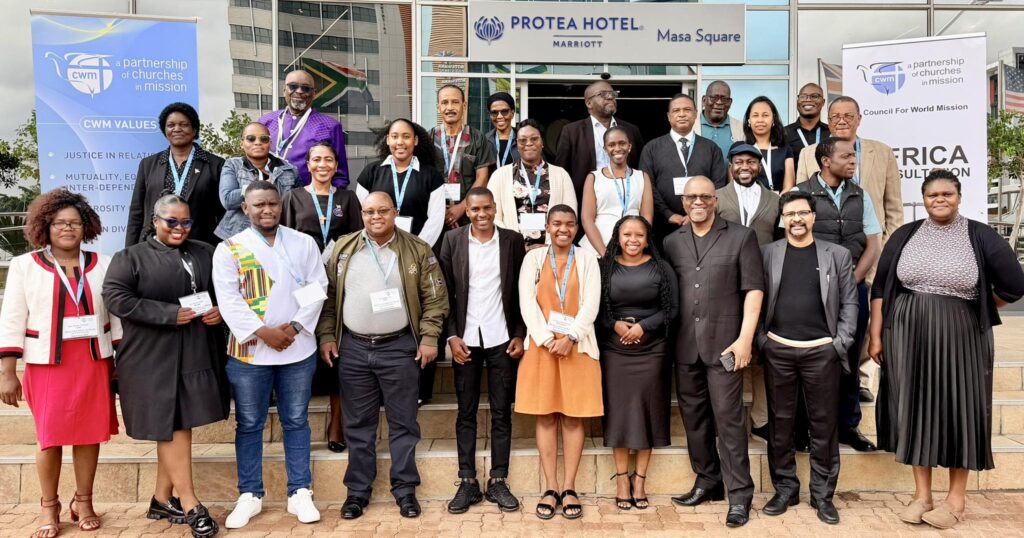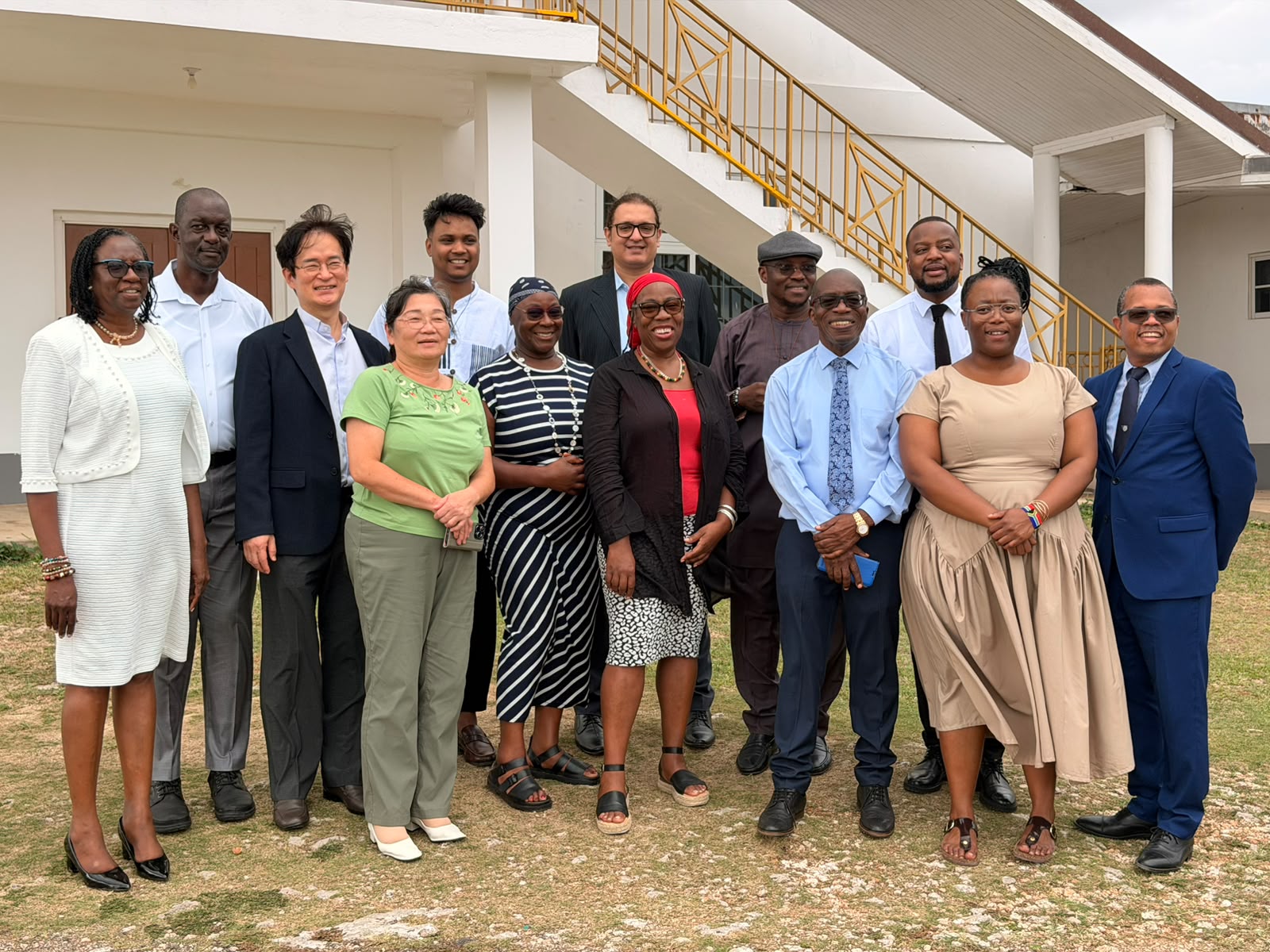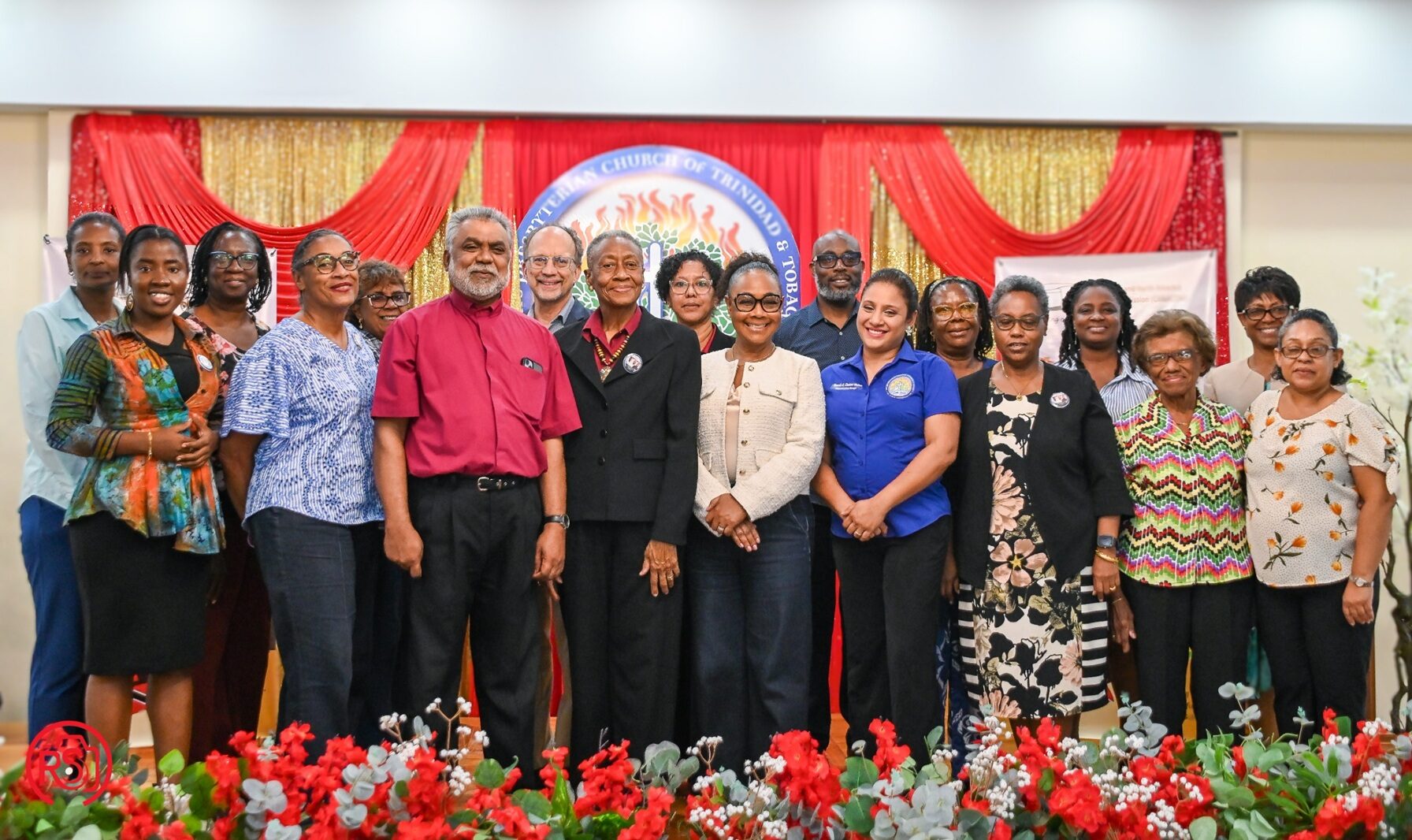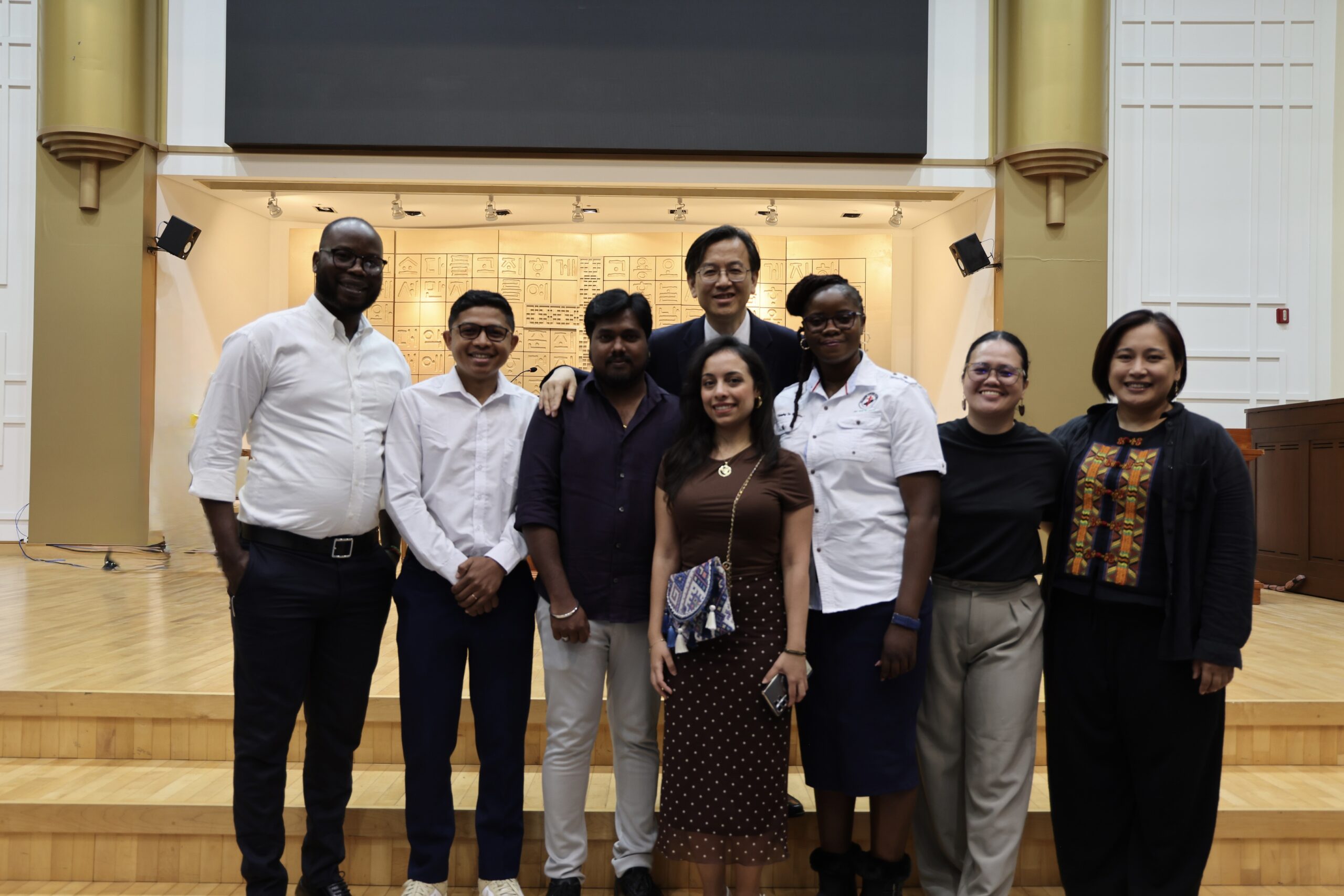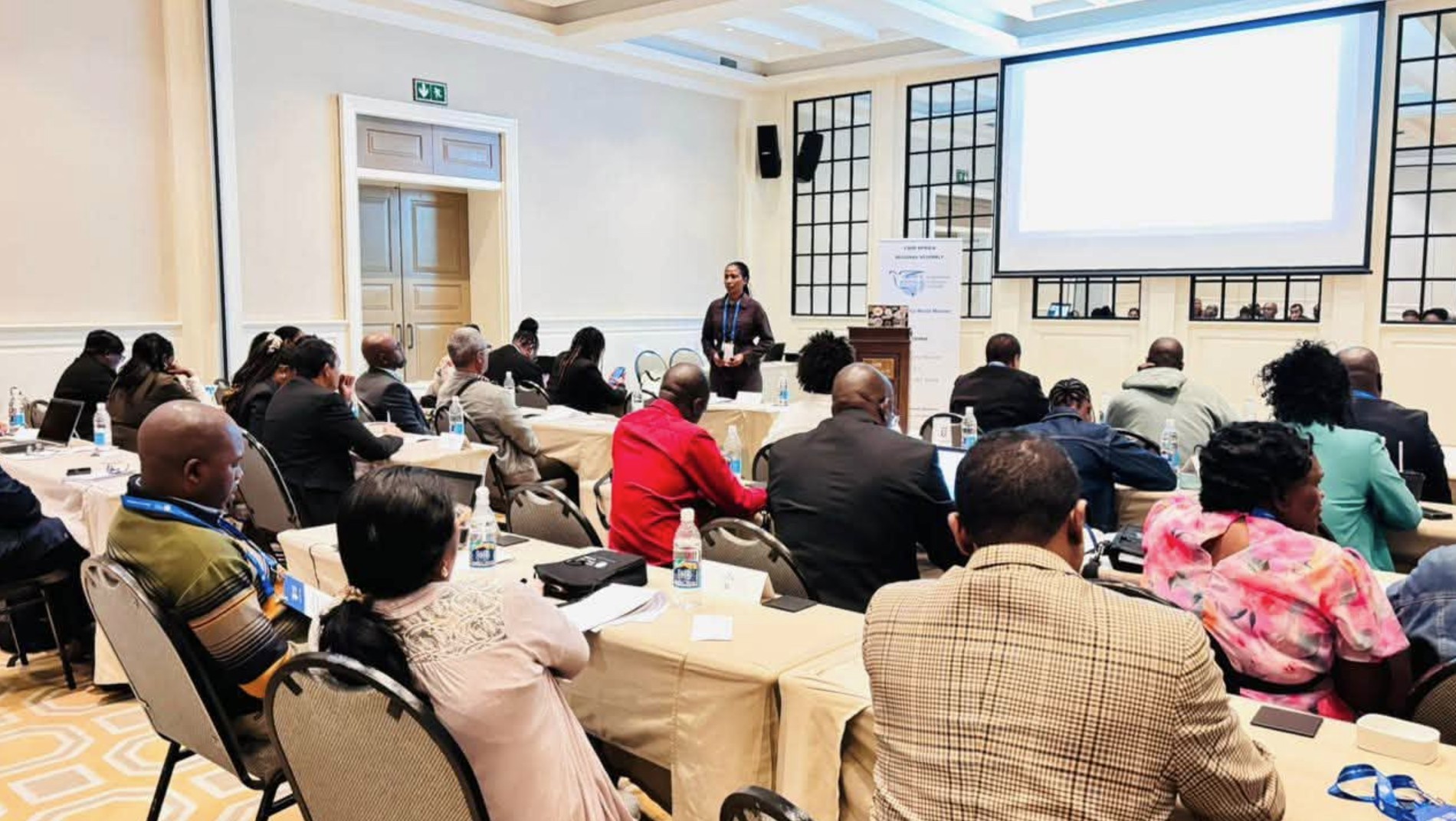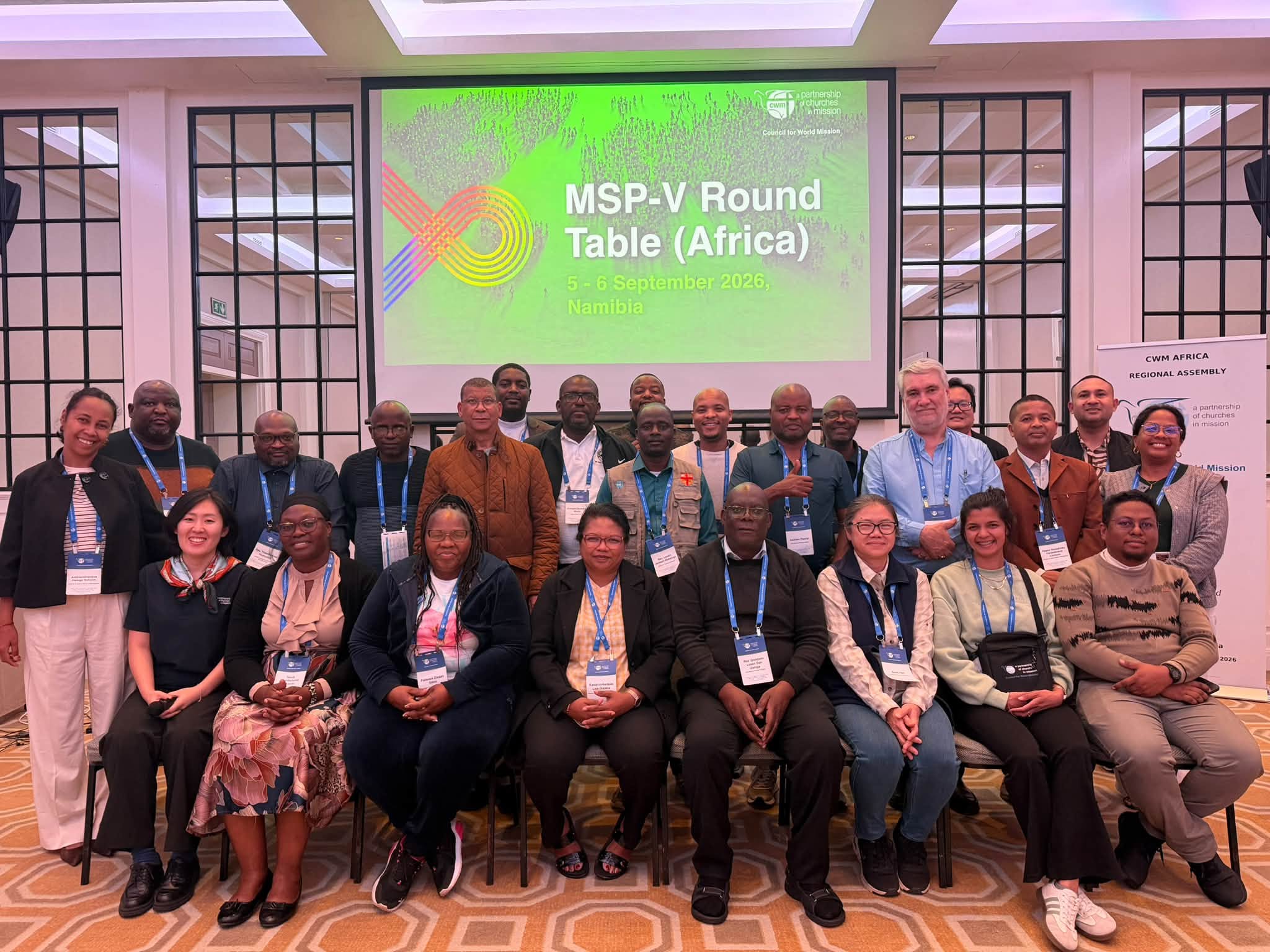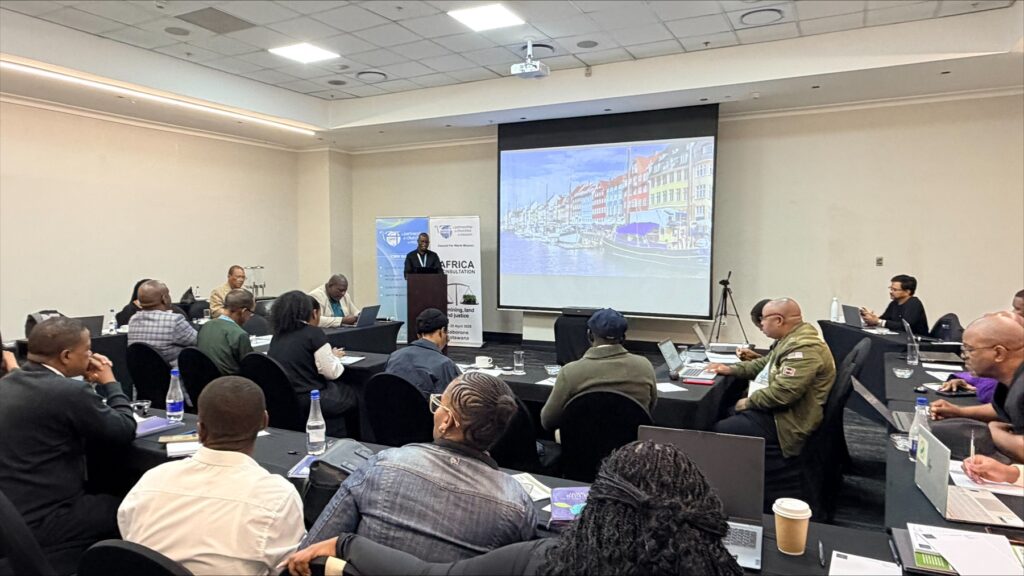
An Africa consultation on mining, land, and justice, jointly convened by the Council for World Mission (CWM) and World Council of Churches (WCC), took place from 21-25 April in Gaborone, Botswana.
Thirty participants gathered for the consultation. They included church leaders, theologians, community representatives, Indigenous leaders, activists, and ecumenical partners from across Africa and beyond. Together, they explored how the extraction of natural resources can align with community rights, environmental care, and equitable development.
The consultation also coincided with the week of Earth Day on 22 April. It marked a deepening partnership between CWM and WCC, and strengthened a shared ecumenical commitment to justice, ecological integrity, and prophetic witness. Participants highlighted the urgent need to respond to the global ecological crisis driven by harmful extractive practices.
They also affirmed the responsibility of churches to stand in solidarity with communities whose lives and environments are under threat.
Botswana provided a significant context for the discussions. Often recognised for its mineral-led development, the country also reflects the tensions within extractive economies. Participants noted that, despite strong governance, communities continue to experience the effects of unjust and unethical extraction.
CWM Mission Secretary for Ecology and Economy Rev. Daimon Mkandawire facilitated the consultation.
“What we are confronting is not only an environmental crisis, but a theological one,” he said. He explained that extractive practices often treat land as a commodity, while many African communities understand land as the source of life and identity lived under a bond founded on sacred trust.
“Our collaboration with WCC in this consultation furthers a shared ecumenical responsibility to stand with affected communities and to pursue justice that affirms the integrity of creation,” Mkandawire said.
Participants reflected that current extractive models are incompatible with a theology that sees creation as a shared and sacred inheritance. They called for alternative approaches rooted in justice, dignity, and care for the earth.
The consultation combined theological reflection with critical dialogue and engagement with affected communities. Participants examined how extractive industries contribute to land dispossession, environmental harm, and social inequality across Africa.
Visits to local communities impacted by mining grounded the discussions in lived experiences, with visitors deeply listening to those directly affected.
The consultation concluded with a statement of shared commitment to action. Participants agreed to strengthen advocacy for free, prior, and informed consent, and to promote fairer systems of resource governance.
They also outlined plans to engage policymakers and develop justice-centred alternatives to current extractive models. Strengthening networks among churches, communities, and advocacy partners across Africa was identified as a key priority.
“The crisis before us is fundamentally theological. It concerns the ordering of relationships between humanity, the earth, and systems of power,” the statement reads.
As conversations continue beyond the consultation, insights from community testimonies and field visits in Botswana will guide ongoing engagement between African churches, partners, and stakeholders to work towards practical responses that address displacement, environmental damage, and loss of livelihoods as the continent moves towards a future shaped by justice, ecological sustainability, and the flourishing of all creation.