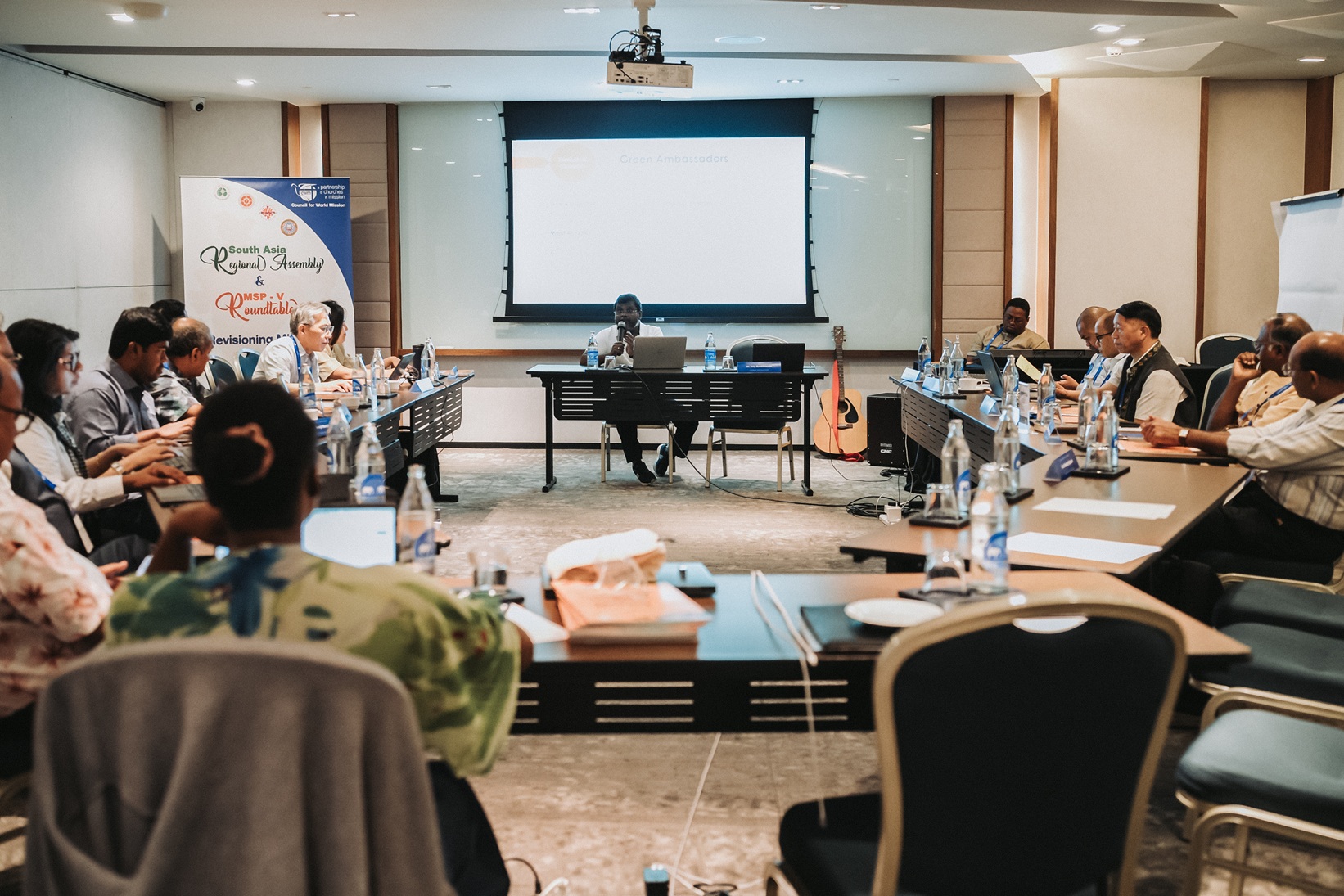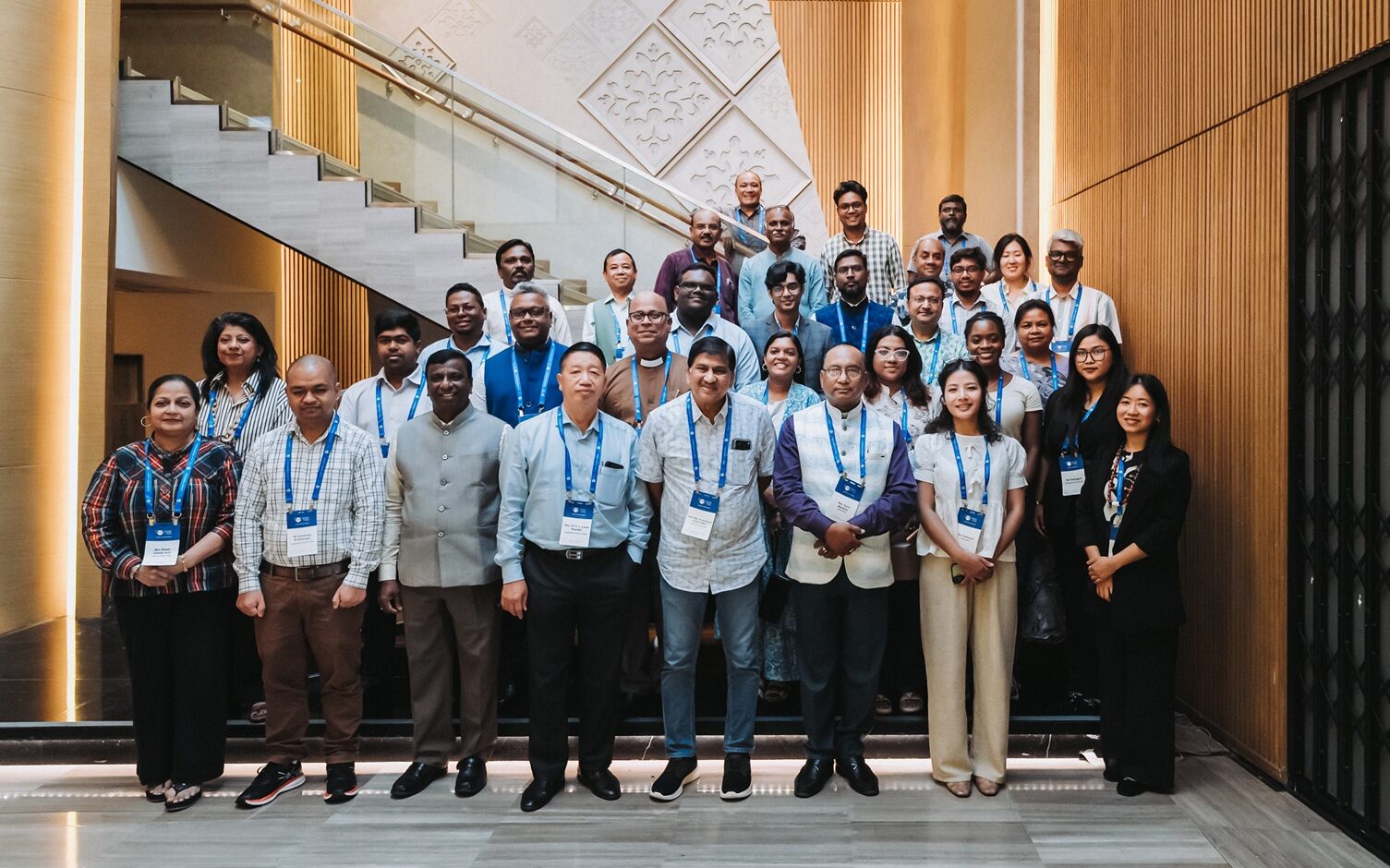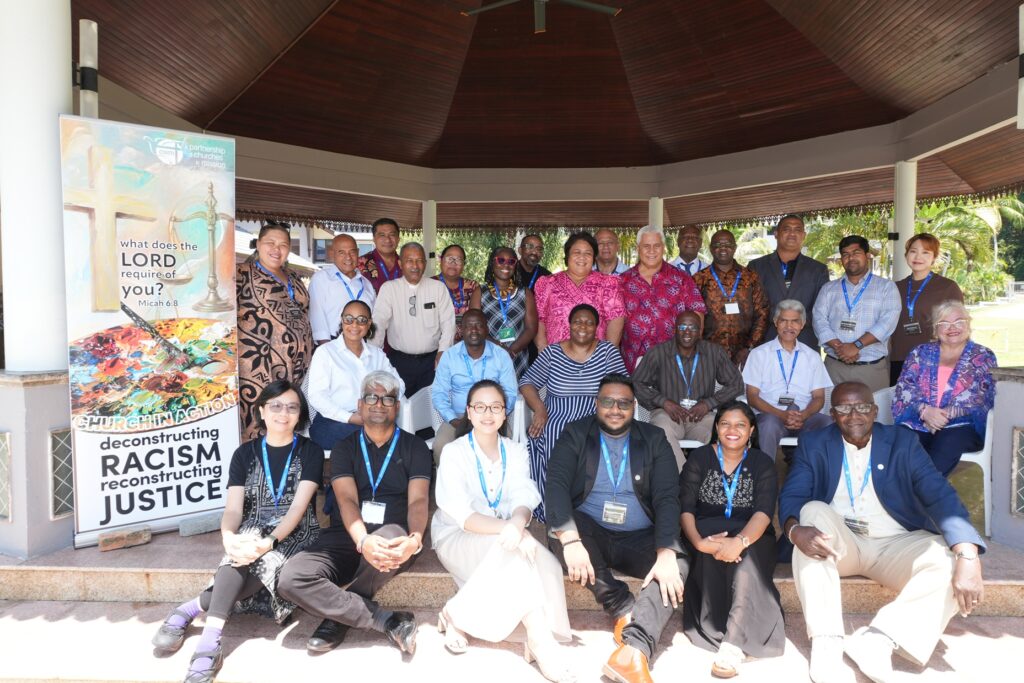
From 13-17 April, 29 church leaders representing 22 member churches of the Council for World Mission (CWM) gathered in Port Dickson, Malaysia, for the 2026 Deconstructing Racism: Reconstructing Justice (DRRJ) programme.
Participants included general secretaries, mission leaders, and key office holders. The programme builds on the inaugural DRRJ gathering held in Johannesburg, South Africa, in September 2025, which focused on younger lay and clergy leaders.
This year’s programme shifted its focus to senior leadership, equipping them to address racism not only as a theological issue, but also through policy, advocacy, and practice.
At its core, the gathering sought to nurture faith leaders who are both theologically grounded and contextually aware, capable of guiding their churches towards transformative responses to racism.
CWM Mission Secretary for Social Justice Janet McConnell highlighted the influence of church leadership, noting that member churches often engage across “school boards and hospital boards, the judiciary system and other agencies of society, including local and national committees and task forces.” She added that many leaders are also “trusted and influential voices within government.”
Christian faith must not be neutral or apolitical
The programme emphasised an intersectional approach to racism, encouraging participants to examine how race intersects with other forms of marginalisation, including class, gender, caste, and nationality.
Through guided discussions and case studies, participants moved beyond abstract definitions of racism towards deeper engagement with lived realities. This shift enabled more honest reflection on how injustice operates across different contexts.
Theologically, the programme challenged passive expressions of faith. Through engagement with biblical texts and frameworks such as Pentecost and koinonia, participants reflected on discipleship as a proactive commitment to justice.
This approach framed faith not as neutral or apolitical, but as a response that stands in solidarity with those who experience oppression and marginalisation.
“We as participants must move from reflection and contemplation to transformative action. This echoes the teaching of Scripture from 1 John 3:18: ‘My children, our love should not be just words and talk; it must be true love, which shows itself in action,’” said Rev. Maurice Davantin of the Presbyterian Church of Mauritius (EPIM).
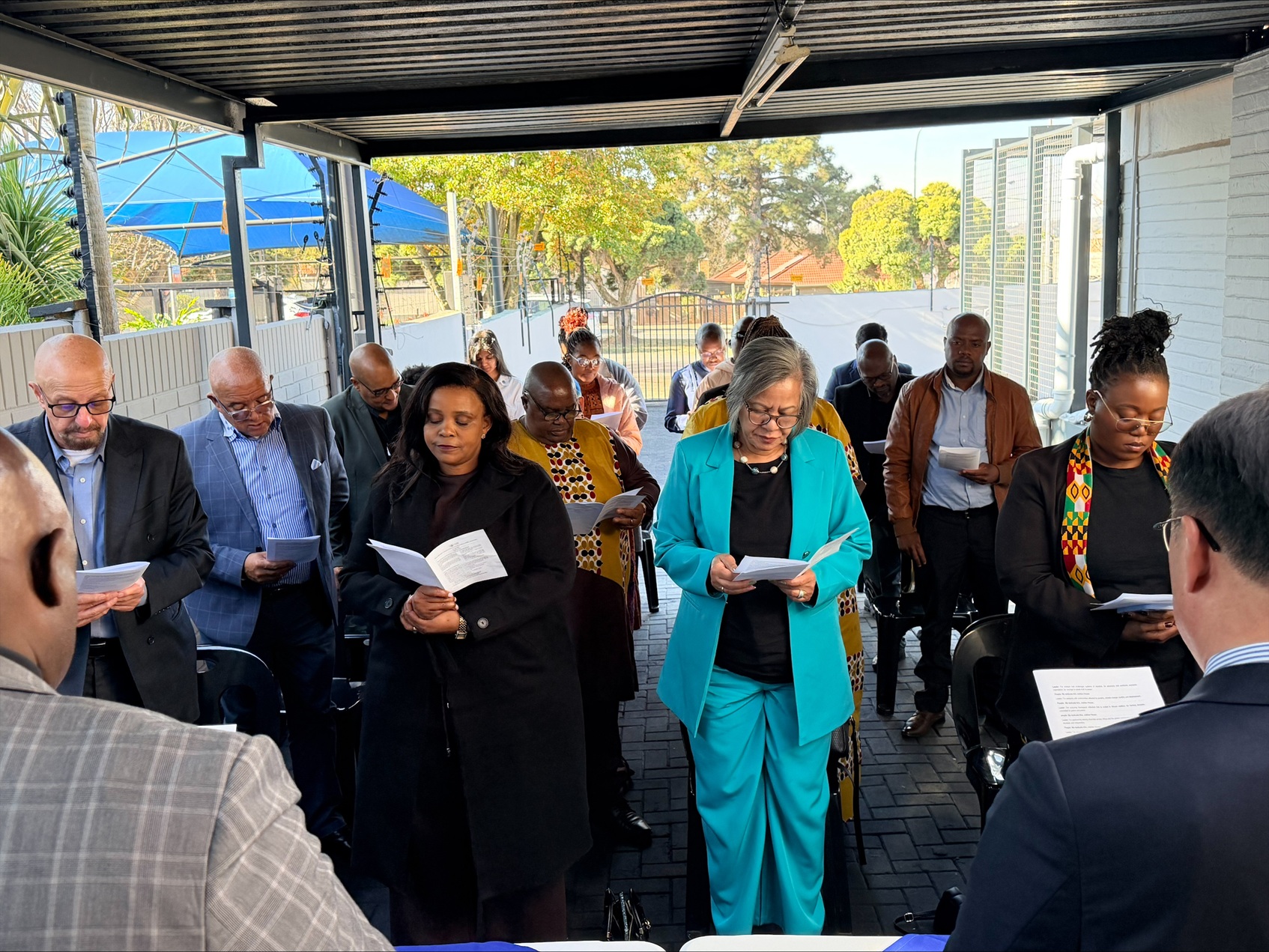
Communal practices also played a key role in the formation process. Through shared dialogue, foot washing, and Holy Communion, participants entered spaces of trust and accountability, fostering deeper understanding across diverse cultural and social contexts.
Complicit no longer
The programme concluded with the adoption of the “Anti-Racism Covenant – A Manifesto,” affirming a shared commitment to confront racism at both interpersonal and structural levels.
The covenant calls on church leaders to examine institutional policies and practices, promote justice-centred theology, and cultivate inclusive forms of worship that uphold dignity and equity.
Reflecting on the programme, McConnell noted a sobering recognition of the church’s complicity in racism, often expressed through silence and inaction. She added that CWM will continue to re-examine theology and reclaim Scripture as a force for justice and liberation.
“Participants were equipped with practical tools to confront racism at both personal and structural levels, and many left with a renewed commitment to drive meaningful, systemic change within their churches and communities. CWM will continue to support this ongoing work with additional resources for our member churches,” she said.