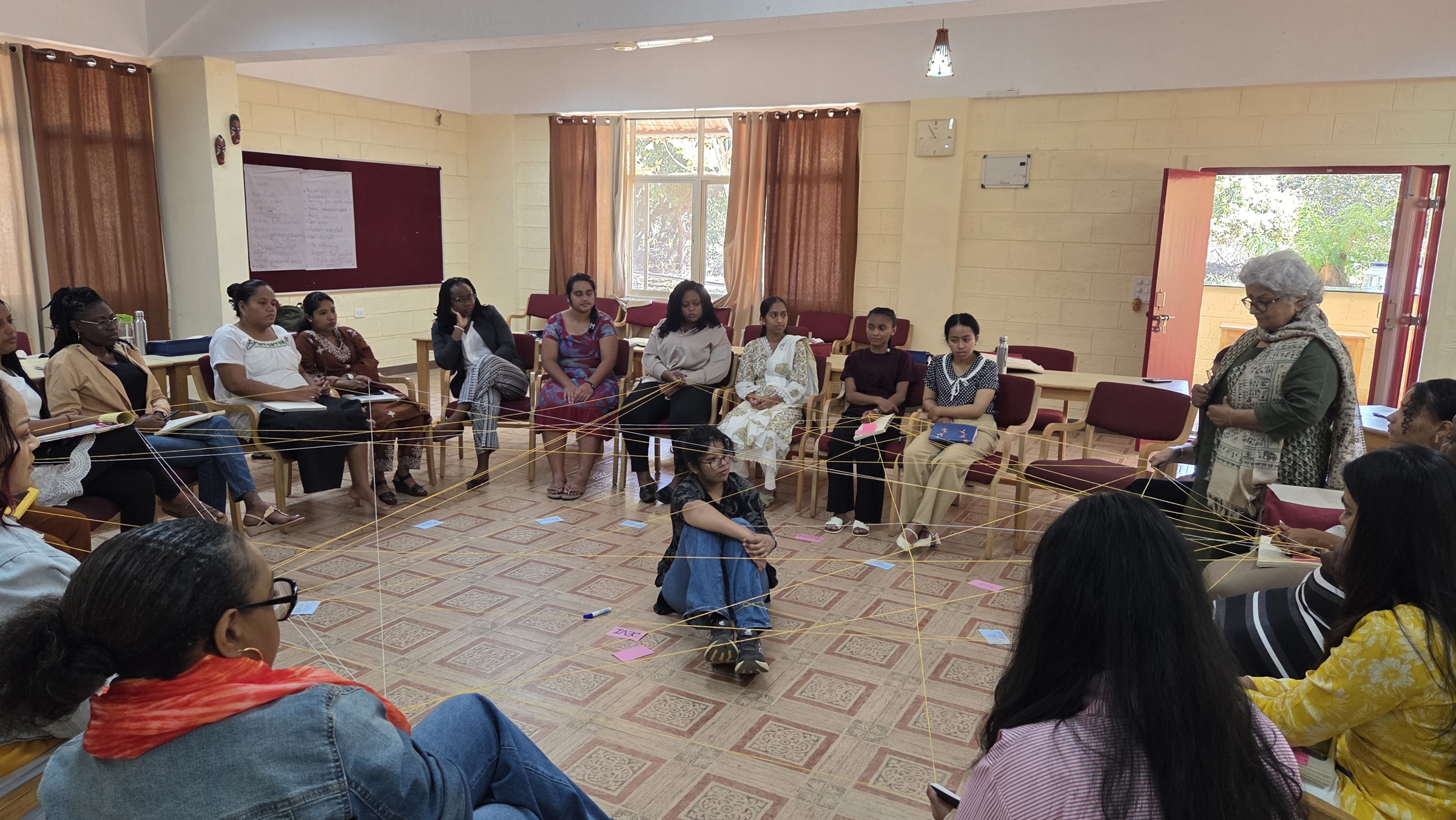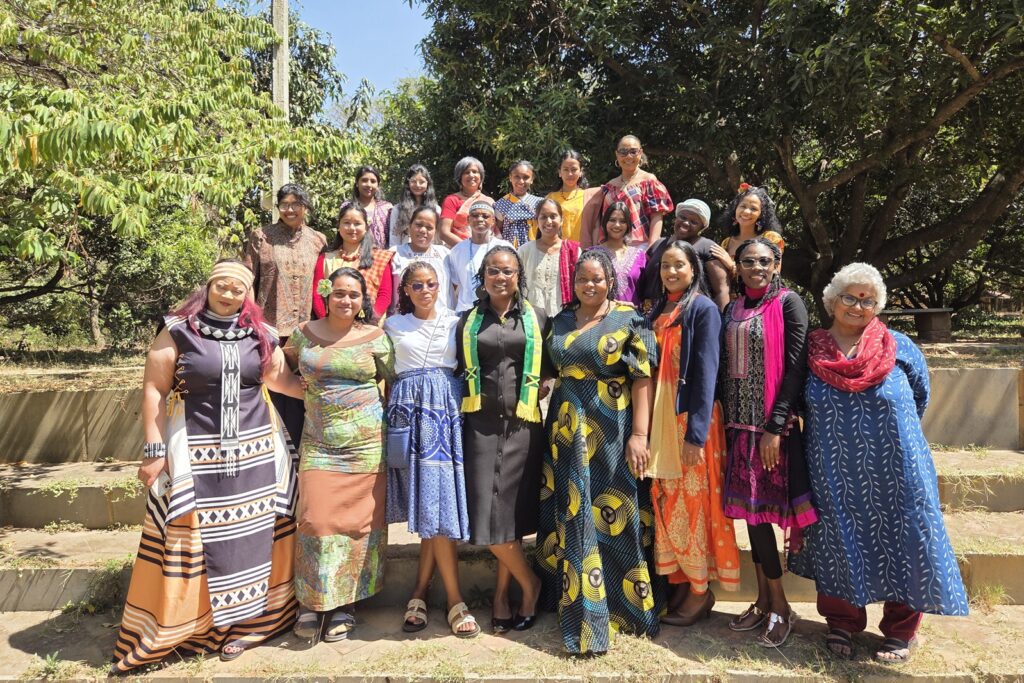
Nineteen young women from member churches of the Council for World Mission (CWM) are gathering at Visthar Academy in Bengaluru, India, from 4 to 28 February for a month-long course on Gender, Diversity, and Transformative Leadership. Participants were selected from diverse social and cultural contexts, reflecting the programme’s emphasis on intersectionality and lived experience.
Part of CWM’s Young Women Enabling Transformation (YWET) programme, the course is designed for women ages 21 to 30 and aims to equip participants with the knowledge, skills, and theological grounding needed to serve as faith leaders committed to social justice and to building inclusive and peaceful communities.
The young women will also be challenged to confront systemic gender injustice and promote inclusive leadership within both the church and the wider society.
“At a time when gender inequality continues to intersect with discrimination based on caste, class, disability, and sexuality, this course responds directly to pressing contemporary realities, including gender-based violence and exclusionary institutional practices,” said Janet McConnell, CWM mission secretary for social justice. She added that the programme intentionally moves beyond surface-level responses by addressing the root causes of injustice embedded within structures of power and patriarchy.
A distinctive feature of the programme is its intentional integration of faith and social analysis. Through critical biblical reflection on justice, liberation, power, and privilege, participants engage with feminist and intersectional perspectives. This approach enables them to develop strong ethical and theological frameworks for social transformation, while also building a supportive network of young women committed to justice and equity.
Key areas of study include gender as a social construct, the role of social institutions in shaping gender norms, intersectionality and feminist movements, gender mainstreaming in policy and organisational contexts, and the core principles of transformative leadership.
The course will also focus on practical components such as restorative justice approaches, community organising, and tools for monitoring social impact. These elements encourage participants to translate their learning into actionable strategies for change within their own communities.