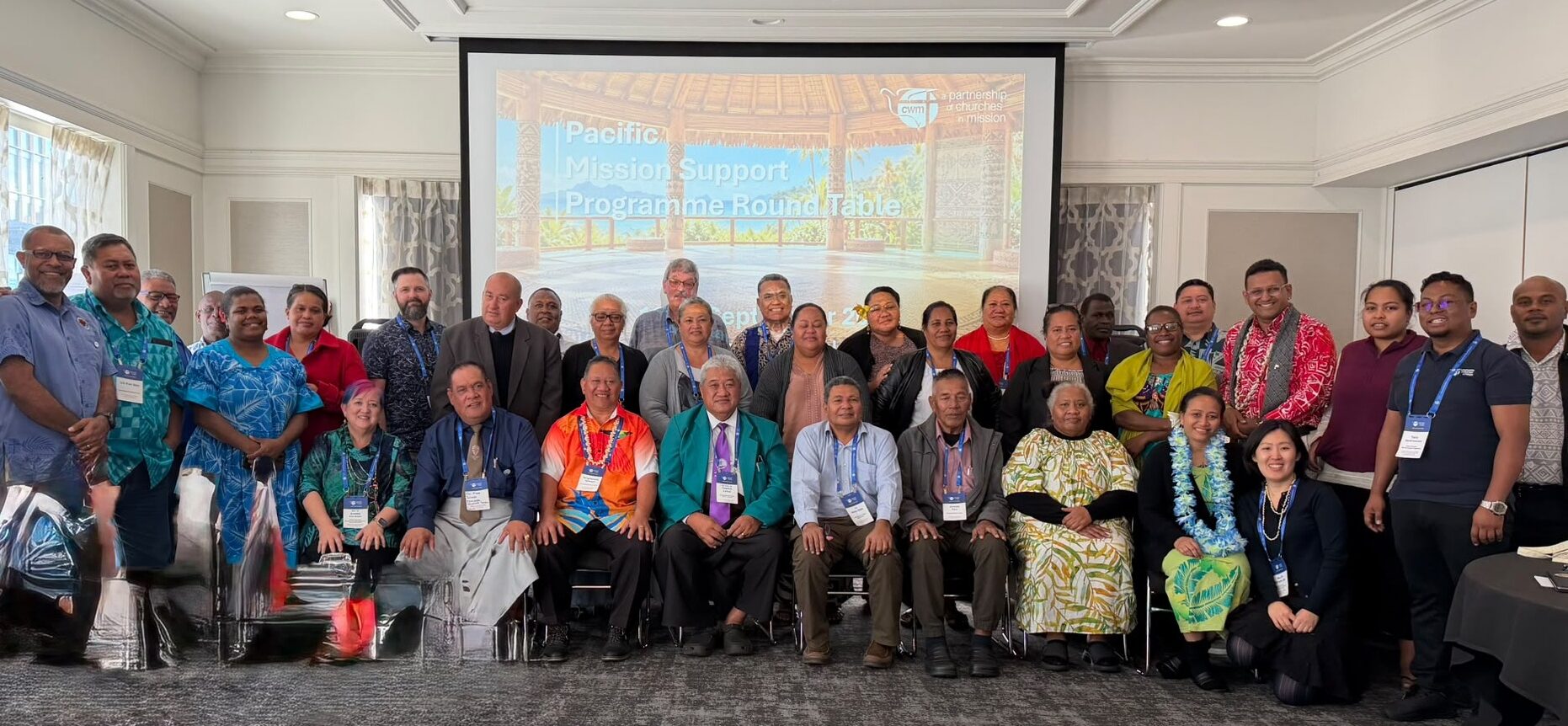
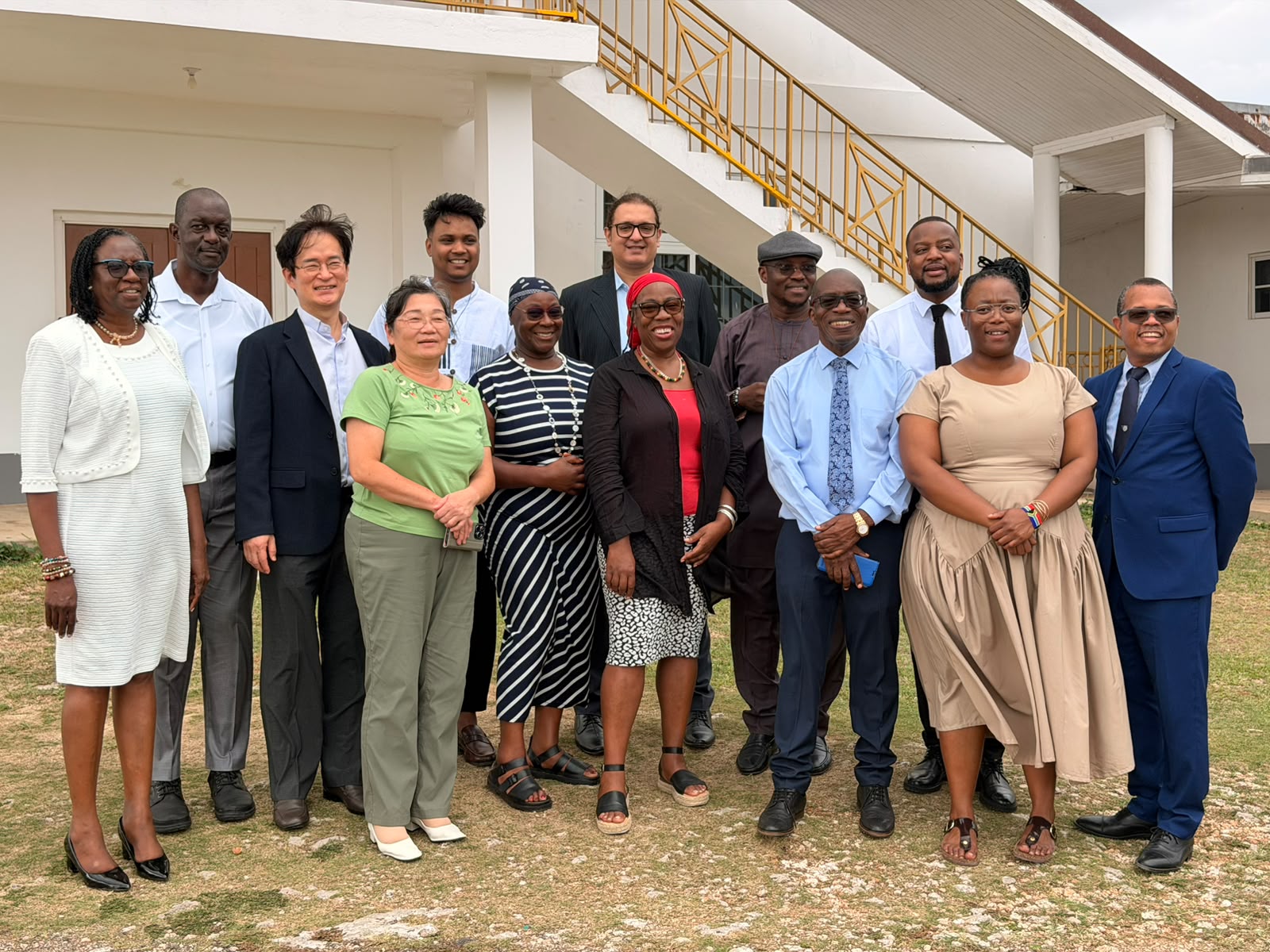
Twenty-one participants from the Council for World Mission’s (CWM) member churches and partner organisations graduated from the 2025 cohort of the School of Intersectional Ecotheology and Ecojustice Witness (SIEEW) in Johannesburg, South Africa, on 13 December 2025.
The two-month programme began in October with a series of online sessions, before participants transitioned to in-person learning in South Africa in late November.
Created in response to intensifying climate impacts and widening gulfs of inequality globally, SIEEW provides a radically transformative experience crafted around an action-oriented curriculum dedicated to address environmental destruction and social injustices through a faith-based, intersectional lens.
Via intentional and curated pedagogical approaches to foster critical thinking and analytical skills with a focus on community building, advocacy, and activism, CWM Mission Secretary for Ecology and Economy, Rev. Daimon Mkandawire described the programme as a powerful platform to nurture a new generation of leaders with theological insights and practical skills to confront unjust structures, uplift marginalised voices, and engage in a prophetic re-imagining of a just and sustainable future for creation.
Prof. Lilian Siwila, associate professor at the University of Kwazulu-Natal and SIEEW programme facilitator, also elaborated on the critical necessity of the programme in tutoring its participants in the areas of creation care and developing their acuity to global economic injustices: “In the name of dominion over nature [whilst] bearing the image of God, Christians have abused nature to meet their selfish needs… by forcing certain aspects of the natural environment to bend to their wishes… human relationship with nature [has become] more impersonal than the relationship with human social institutions.”
To complement their theoretical sessions, SIEEW participants also participated in immersion trips to broaden their horizons including a session of fieldwork at Sibayeni MetroFarming, a South African outfit committed to advancing agri-tech systems—such as such as hydroponics—which equip local farmers and agrarian communities with knowledge on water-efficient and high-yield solutions for food security.
As a culmination of their learning at the programme, participants were also tasked to create and present actionable initiatives for their respective communities and contexts through which they will develop stronger community bonds and foster ongoing engagement with not just their SIEEW peers but also South African communities.
“In addition to learning about Bible theology, ecological environment, human rights issues, and transformative justice, this journey also gave me more opportunities to learn about the cultural situation in Africa, and to experience deeply the spark and beauty in the African continent,” remarked Tseng Yung-Ying, a participant from the Presbyterian Church in Taiwan.
The programme concluded with a communion service and a graduation ceremony during which participants received completion certificates.