The Guyana Congregational Union (GCU) is putting reparatory justice into practice through an initiative designed to create economic opportunities and strengthen livelihoods for descendants of enslaved people.
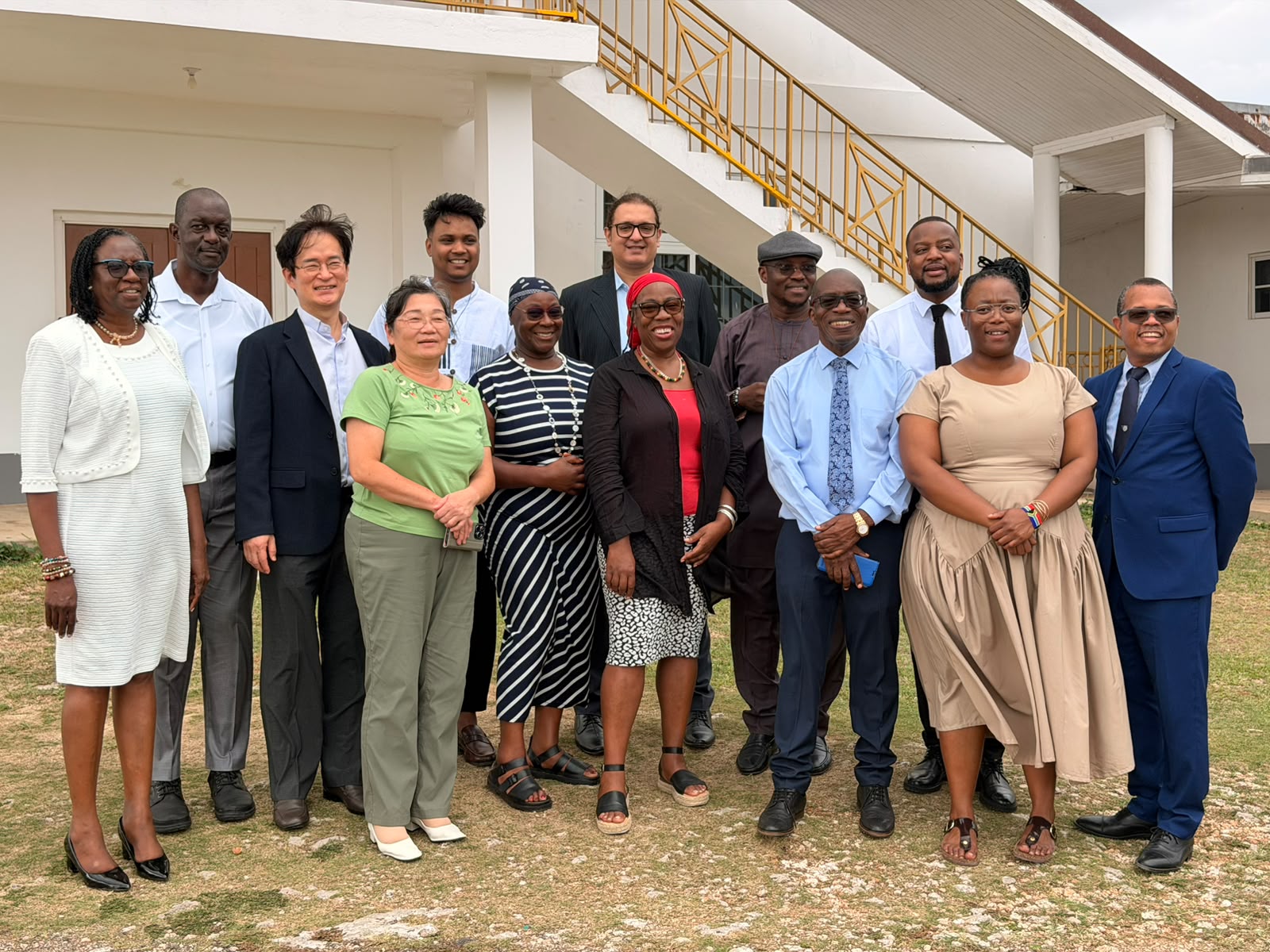
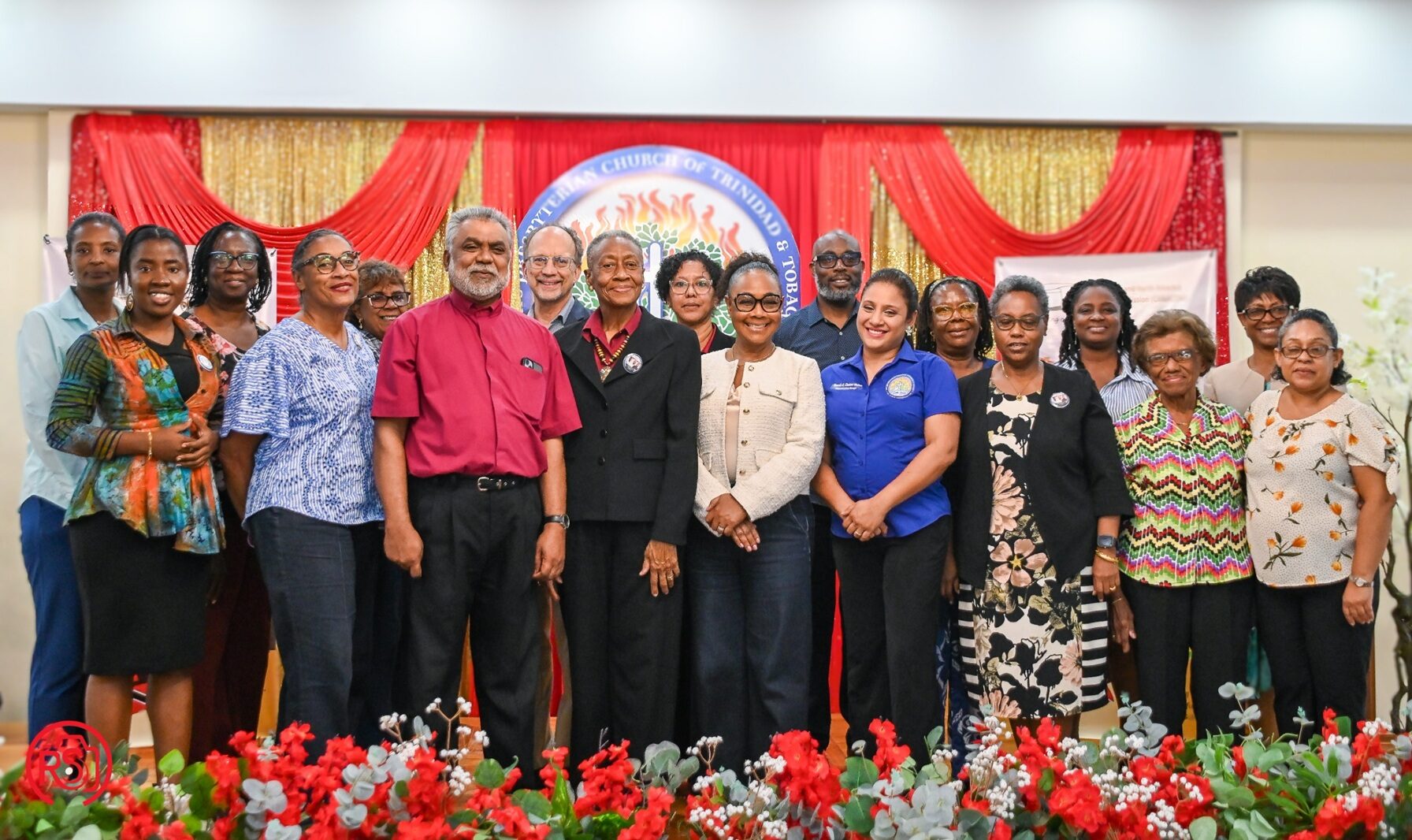
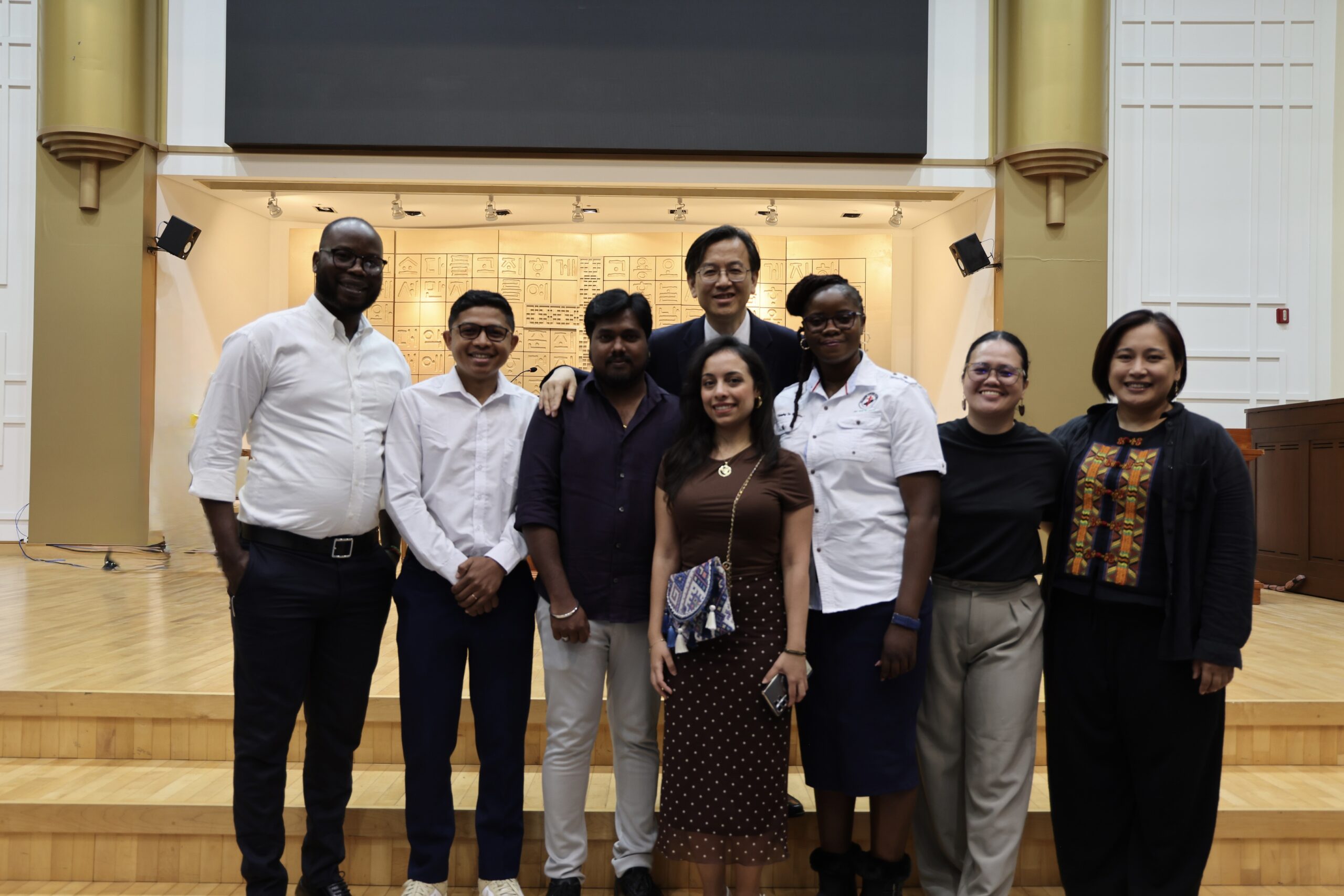
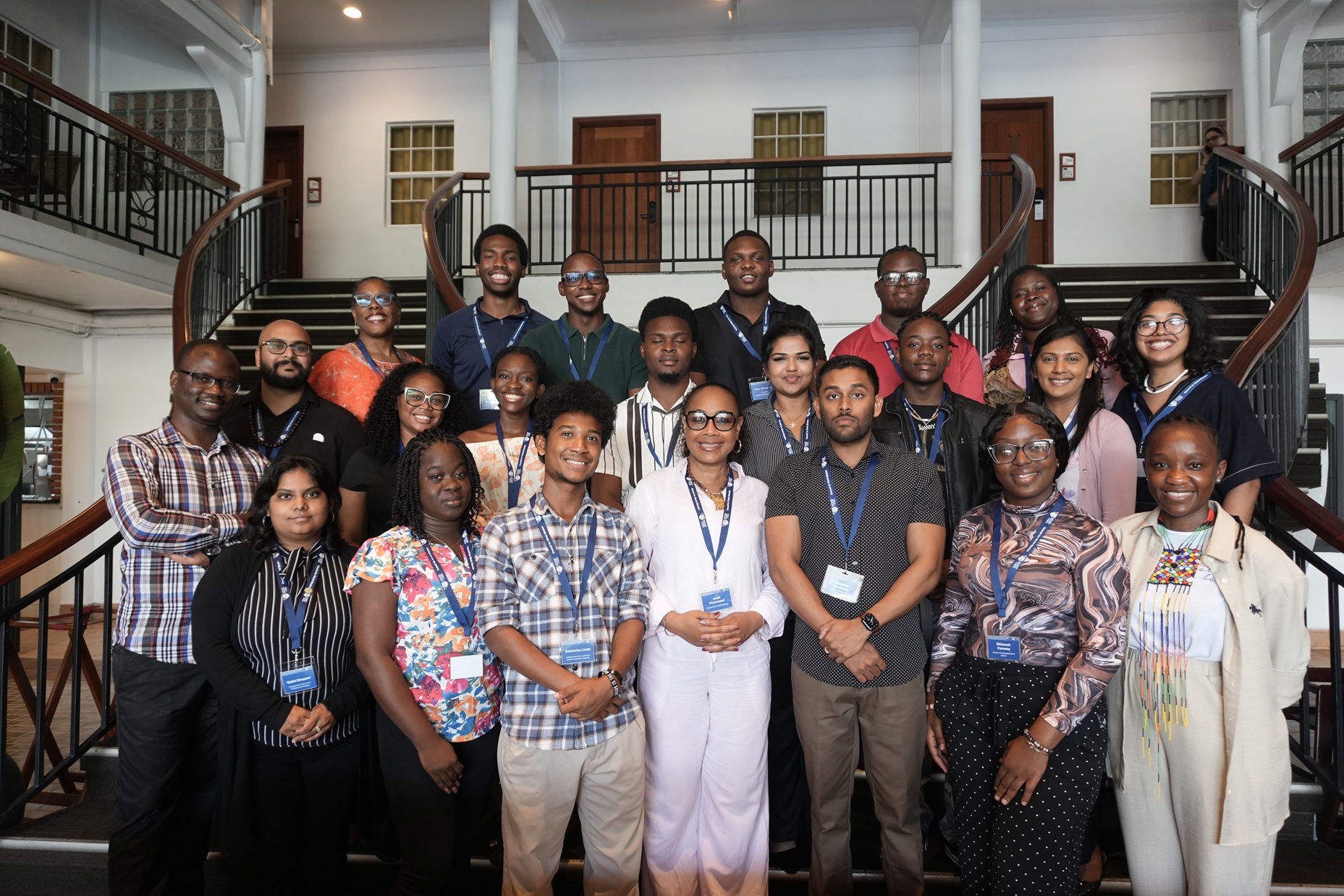
During a recent engagement visit to Guyana, CWM Coordinator of The Onesimus Project (TOP) Rev. Wellington Mthobisi Sibanda met with the GCU team implementing the Onesimus Project – Reparatory Justice Revolving Fund.
The visit provided an opportunity to hear from those leading the initiative, assess its progress, and explore how the fund can continue to develop as a practical expression of reparatory justice within the missional life of the church.
Created to provide accessible financing for descendants of enslaved people, the Revolving Fund supports small businesses, livelihoods, and community development.
Young Guyanese have already identified opportunities where the fund could make a difference, ranging from poultry enterprises and canteens to water-supply businesses and the purchase of equipment for small enterprises.
These ventures have the potential to create benefits beyond individual income. By supporting sustainable businesses, the initiative seeks to strengthen families, create employment, provide essential community services, and open pathways towards greater economic dignity.
The initiative reflects TOP’s growing emphasis on embedding reparatory justice within the life and witness of CWM member churches, rather than viewing it primarily as a programme or source of funding. In Guyana, GCU is contextualising that commitment through an approach rooted in economic empowerment and practical solidarity.
“The Onesimus story calls the church towards restoration, release, and redemption,” Sibanda said.
“The initiative encourages other CWM member churches to ask: ‘What would reparatory justice look like in our own context, and how can our churches move from words to action?’ ”
Sibanda also noted that CWM continues to receive applications to the Revolving Fund from across GCU’s eight regions, signalling growing interest in creating accessible opportunities for communities that face difficulties meeting the requirements of traditional financial institutions.
As the initiative develops, GCU hopes the Revolving Fund will grow into a sustainable mechanism through which young people and communities can transform entrepreneurial ideas into viable livelihoods, making reparatory justice not only a theological vision but also a practical pathway towards dignity, opportunity, and a more hopeful future.