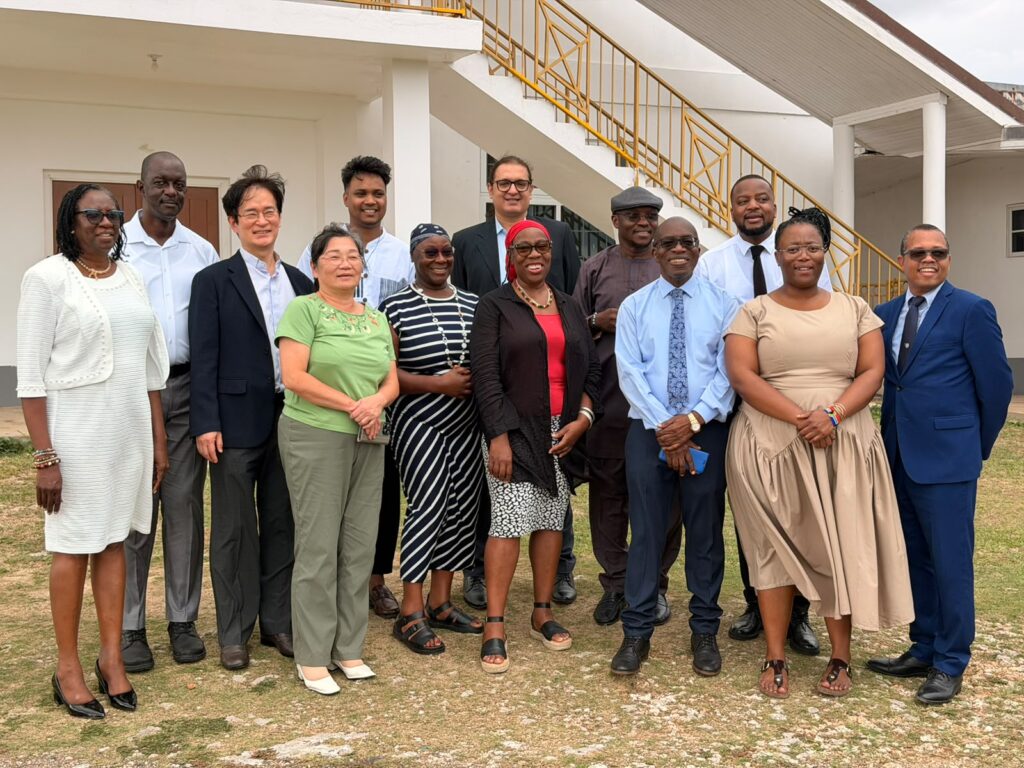
The Onesimus Project (TOP) Core Group gathered in Kingston, Jamaica, from 18 to 21 September to reflect on how reparatory justice can be strengthened as a living movement rooted in truth-telling, repentance, repair, liberation, and restored relationships.
At the heart of the four-day meeting was a deeper question: how can TOP move beyond being perceived primarily as a programme associated with funding opportunities or compliance requirements and become embedded as a key pillar in the missional life of Council for World Mission (CWM) member churches?
This question shaped discussions on formation, church ownership, community agency, communications, and the need to demonstrate transformation beyond measurable activities.
Movement for transformation
CWM General Secretary Rev. Dr Jooseop Keum joined the meeting online on 19 September and delivered a keynote address calling member churches to recognise how the legacies of slavery and colonialism continue to shape contemporary realities, including land, wealth, knowledge, migration, ecological vulnerability, and human dignity.
Keum stressed that reparatory justice must move beyond acknowledging historical wrongs and should not be reduced to an additional funding window or a managed institutional response.
Instead, he described reparatory justice as a multidimensional missional movement bringing together historical truth-telling, material empowerment, transformed relationships, the recovery of marginalised knowledge, and the disruption of life-denying structures and systems that continue to reproduce injustice.
TOP Core Group Chairperson Rev. Dr Roderick Hewitt similarly emphasised that the project should not be understood primarily in financial terms.
“TOP is not a financial reparatory instrument. It is much more than seeking to provide funds to those who have been wronged to soothe the conscience of CWM,” Hewitt said.
“Instead, this is a missional imperative to journey along with the descendants of enslaved peoples who continue to be victimised.”
Contextualised communication
Building on Keum’s keynote, the Core Group discussed challenges that could weaken this movement-building approach, affirming that transformation requires intentional formation and a reorientation of missional practice within member churches.
Members reaffirmed TOP’s commitment to sustained formation and stressed that churches should integrate the programme’s ethos into their wider missional life rather than engage with it primarily through external requirements.
Communications also emerged as an important operational priority. TOP Coordinator Rev. Wellington Mthobisi Sibanda reported on ongoing efforts to strengthen communications, including a revised promotional video incorporating experiences from TOP projects and visits.
The Core Group stressed the importance of clear, culturally appropriate, contextualised, and accessible communication for local churches, affirming that “one size does not fit all.”
The next meeting of the TOP Core Group will be held in early 2027.