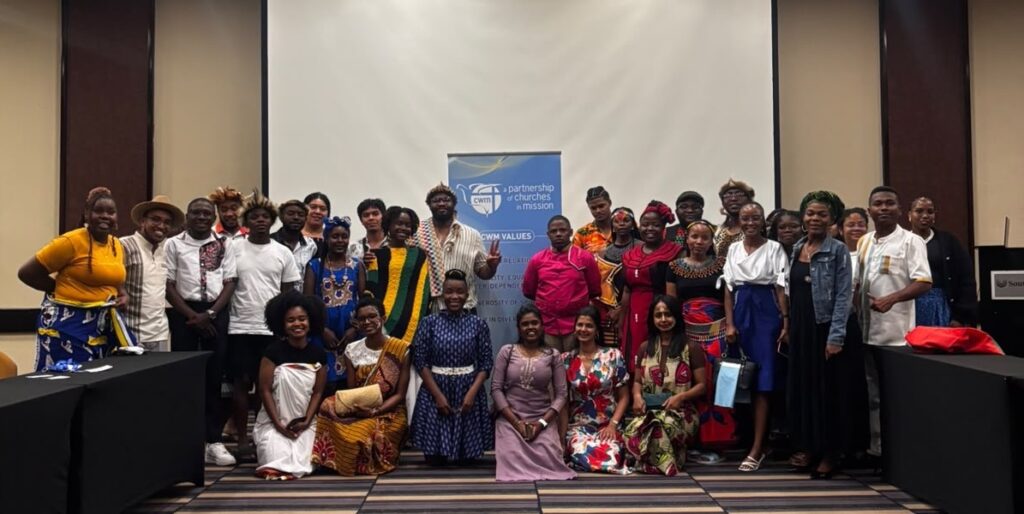
Forty young people from Council for World Mission (CWM) member churches and ecumenical partners gathered in Pretoria, South Africa, from 19-21 October for the CWM Africa Youth Initiative, exploring how African economies can be reimagined and transformed to uphold human dignity and justice while fostering life-flourishing communities.
The three-day programme challenged participants to look beyond conventional measures of economic growth and critically examine the systemic and structural inequalities and injustices that continue to impoverish African communities.
In his welcome address, CWM Mission Secretary for Ecology and Economy Rev. Daimon Mkandawire encouraged participants to confront the economic structures shaping their future and reimagine what just economies could look like across the region.
“The youth of Africa must be challenged to ask uncomfortable questions surrounding the systems that have entrenched the continent in debt crisis, not just throughout the Initiative but also when they return to their home context,” Mkandawire said.
A call for African youth to shape the future
The first day of the programme featured three presentations examining economic justice from theological, policy, and development perspectives.
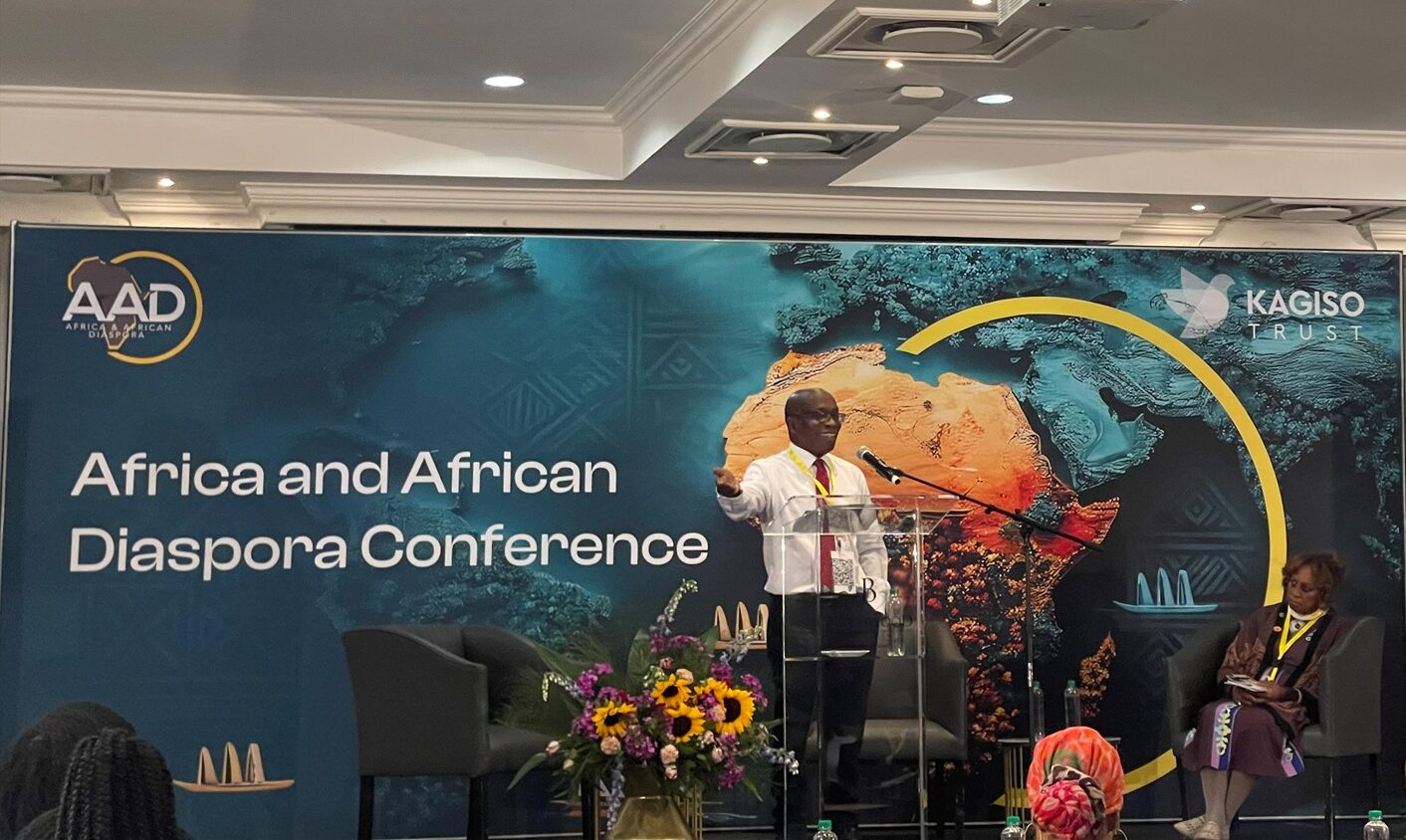
Theologian, author, and educator Dr Learnmore Godfrey Chirunga challenged the notion that young people are merely tomorrow’s leaders, affirming their responsibility to help shape economic decisions today.
Drawing on John 5 and John 10:10 in his keynote address, Chirunga, a public scholar in African contextual hermeneutics, emphasised that economic systems should serve life rather than wealth accumulation. He urged participants to envision economies rooted in justice, solidarity, and human flourishing.
Ntombi Mbele-Thomo of the South African National Treasury questioned whether economic growth necessarily translates into improved livelihoods, noting that rising gross domestic product does not automatically lead to reduced poverty, better employment opportunities, or improved living conditions.
Mbele-Thomo also highlighted the importance of reparative justice, institutional reform, and addressing historical inequalities arising from slavery, colonialism, and resource extraction.
Economist and development researcher Ziyanda Magazi examined Africa’s debt burden and its consequences for public services, drawing particular attention to its disproportionate impact on women and girls.
Exposing economic inequalities through play
Current Training in Mission (TIM) participants facilitated the World Trade Game on the second day of the programme, an interactive simulation designed to expose inequalities between higher- and lower-income economies.
The exercise prompted discussions on African solidarity, stronger regional partnerships, and collective responses to economic injustice.
As part of the programme’s immersion component, participants visited Sibayeni Metro-farming in Bapsfontein, where they learned about hydroponic farming and sustainable food production.
Working in groups, participants planted vegetables while exploring practical approaches to resource conservation. Through harvesting produce, they also learned about sustainable packaging and efficient waste disposal.
Youth call for transformative economic practices
A significant outcome of the programme was the drafting of a youth declaration calling for economic transformation that prioritises dignity, justice, and future generations.
Acknowledging both historical global inequalities and contemporary challenges such as corruption and poor governance, the declaration urged young Africans to become active advocates for fairer economic systems.
A cultural evening brought the gathering to a close, with participants sharing traditions, music, and dances from their respective countries.
Beyond the discussions and practical learning, the Africa Youth Initiative affirmed the importance of unity across the region’s diverse cultures and traditions, encouraging young people to translate their shared faith and commitment to justice into collective action towards a more equitable and economically just Africa.
Read the youth declaration on African debt reform and economic justice in full here.