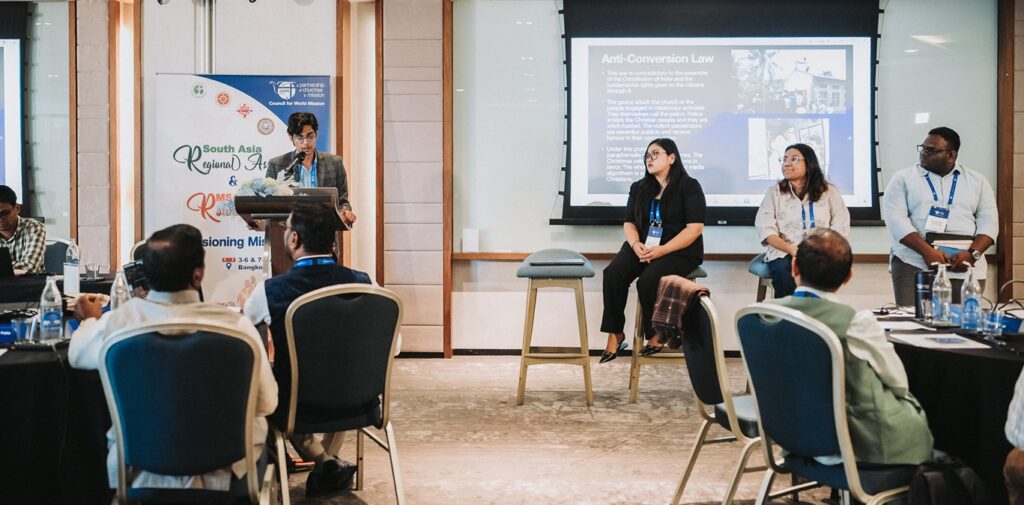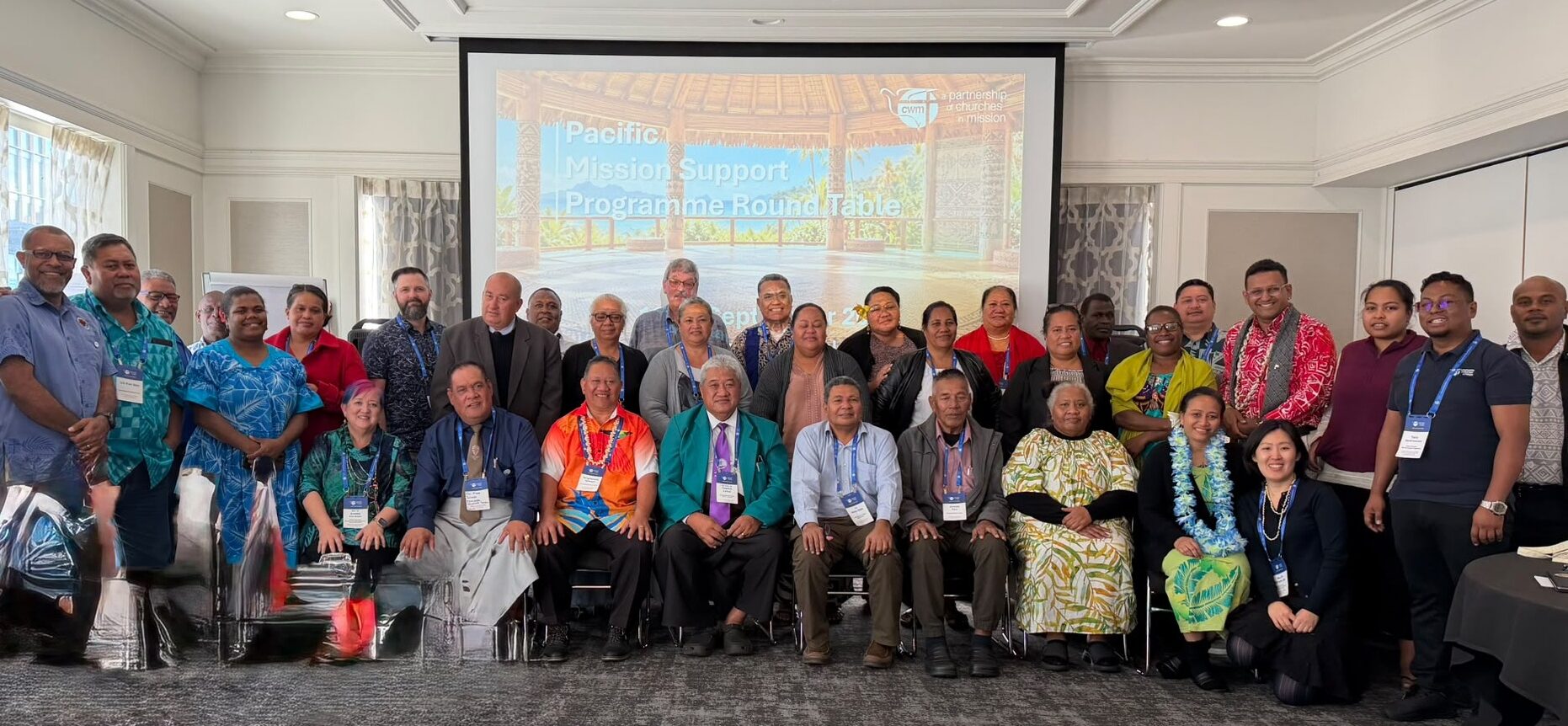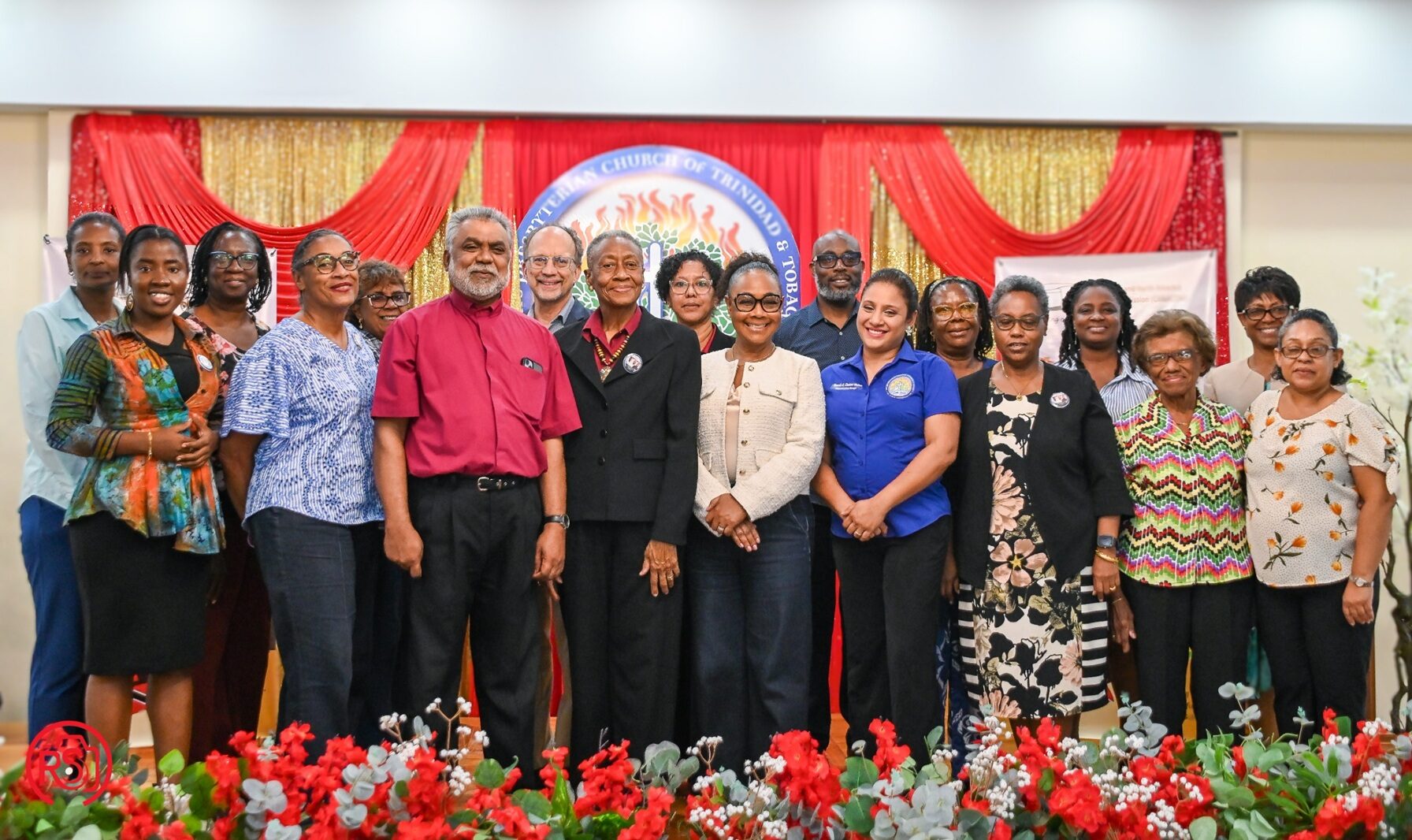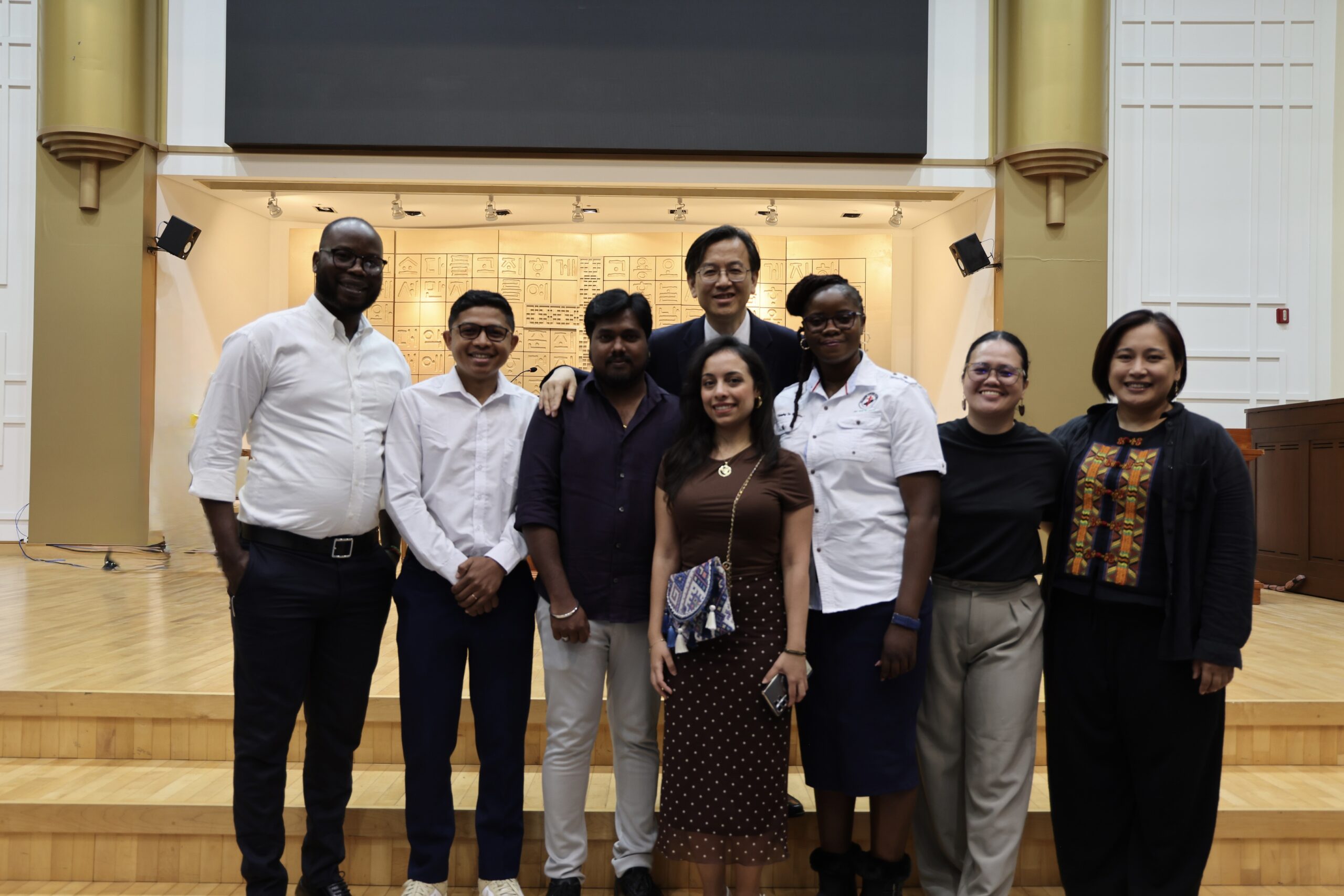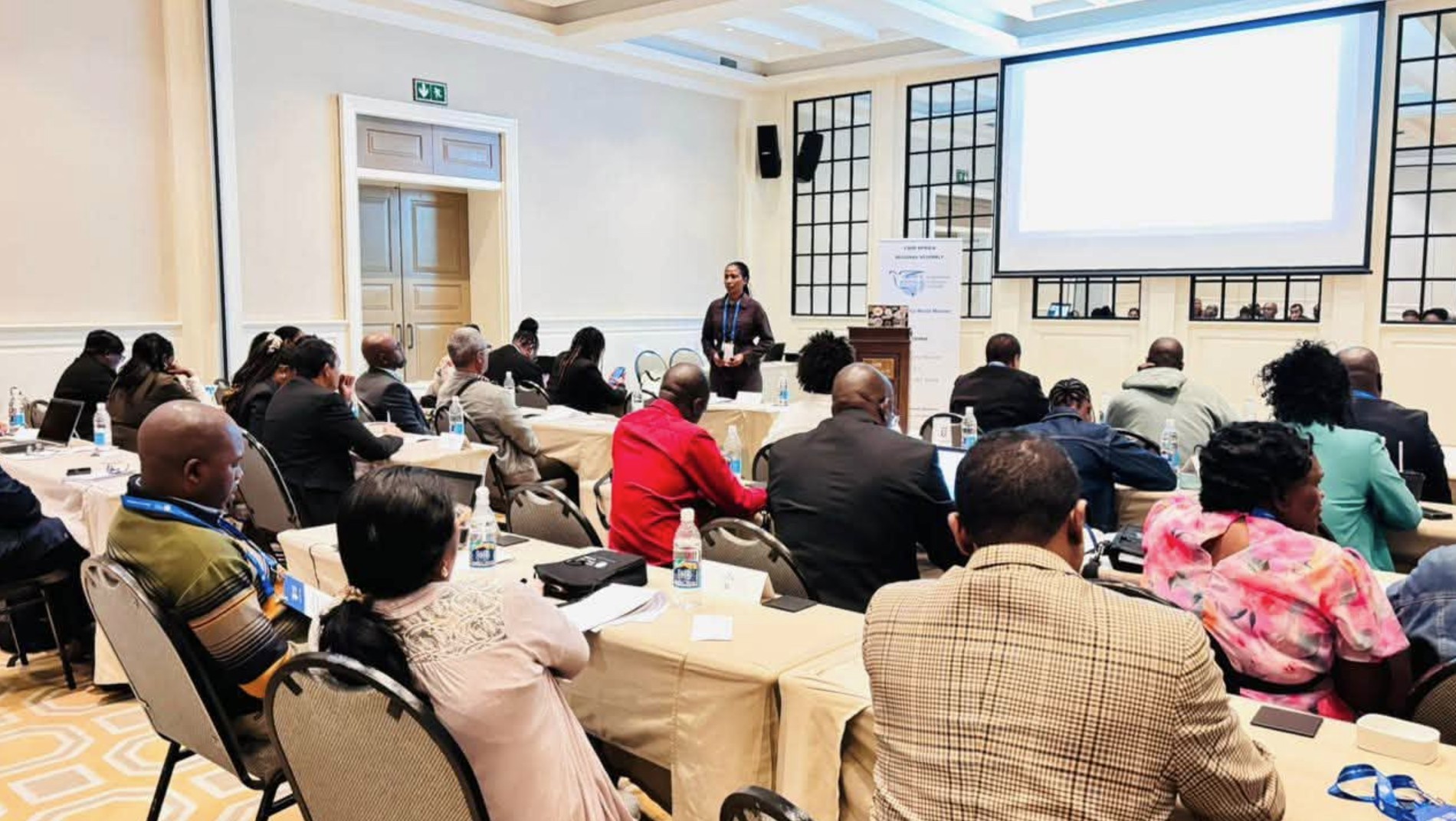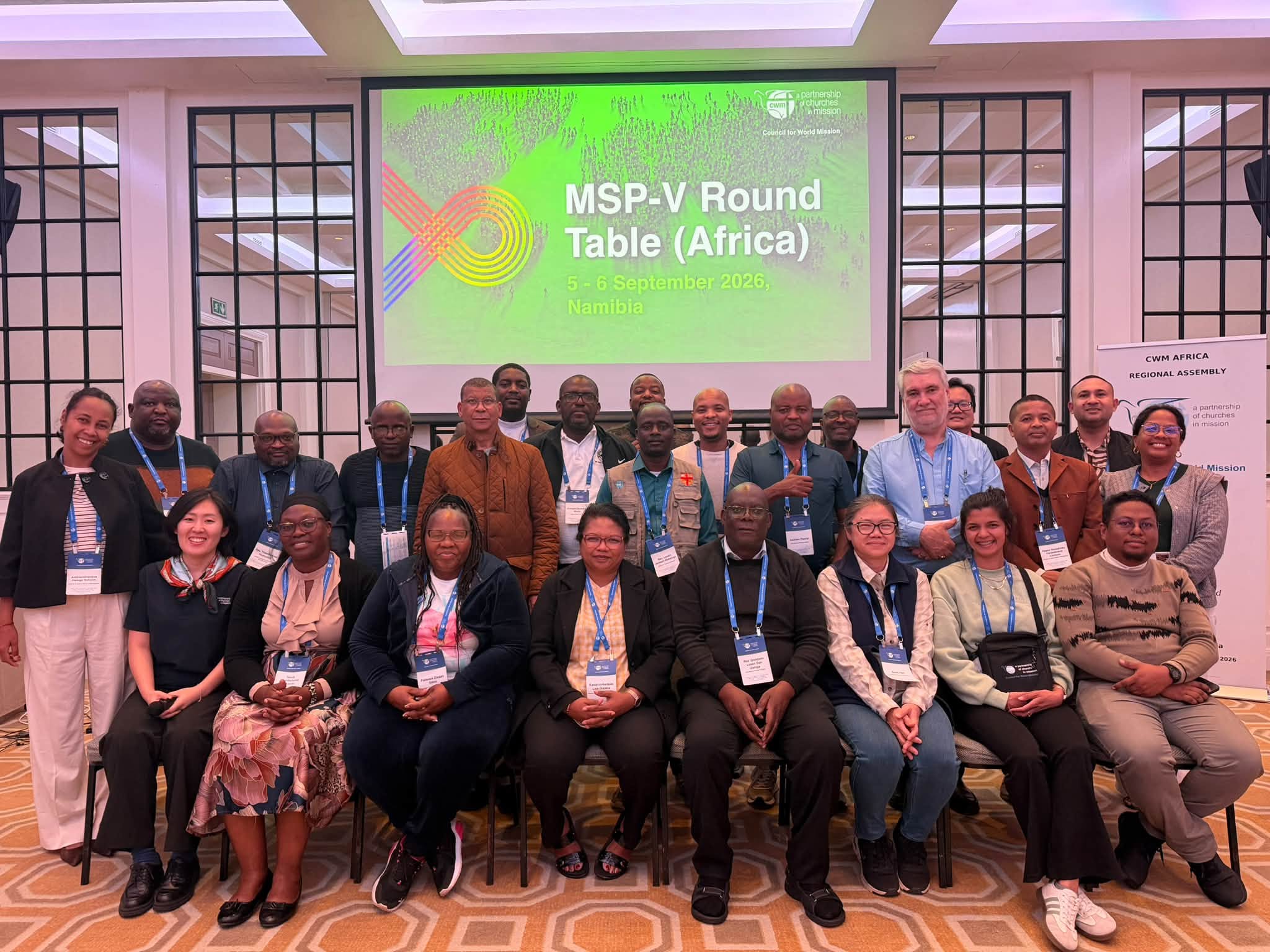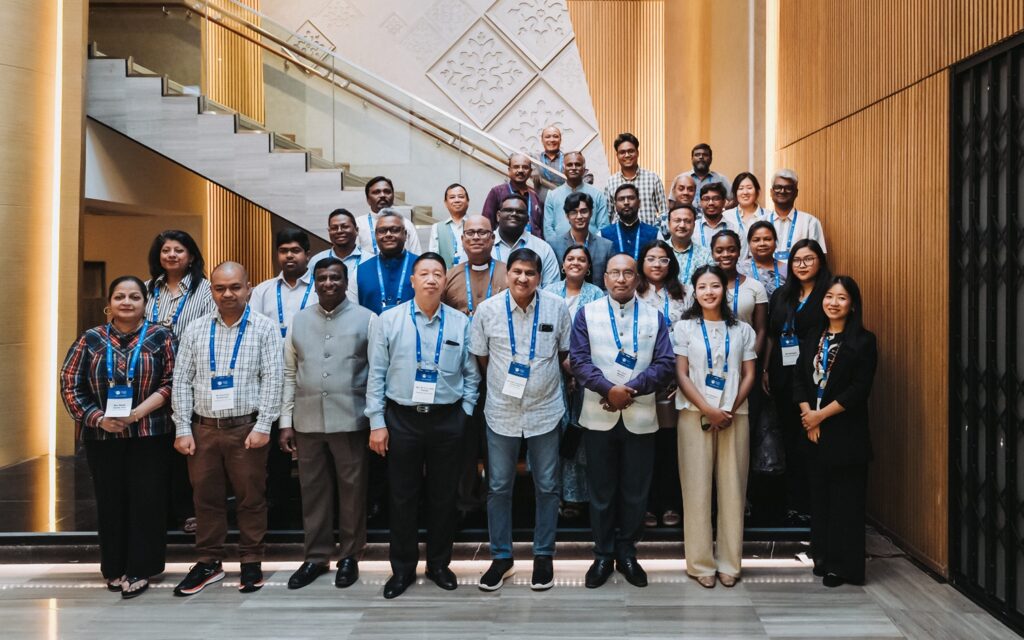
Forty-one representatives from Council for World Mission (CWM) member churches in South Asia gathered in Bangkok from 3-6 August for worship, theological reflection, contextual discernment, and mission planning, responding to a shared call to revision mission through healing, justice, solidarity, and hope.
In his keynote address, “Revisioning Mission: Christian Mission in the Midst of Religious Nationalism,” Rev. Dr Selvam Robertson, registrar of the Senate of Serampore College, reflected on the relationship between religion, nationalism, and mission.
Robertson called churches to stand in solidarity with marginalised and vulnerable communities and strengthen cooperation across religious and social boundaries.
Reminding participants that “mission is not a finished product,” he emphasised that Christian mission must respond faithfully to changing contexts while remaining grounded in the Gospel.
The Regional Assembly explored the CWM Assembly 2024 sub-theme, “Revisioning Mission,” in the context of South Asia, where churches face religious nationalism, caste discrimination, political uncertainty, economic inequality, gender injustice, minority vulnerability, ecological degradation, and shrinking civic space.
Mission from the margins
Bible study provided a theological foundation for the Assembly’s discernment. Reflecting on John 4 in “Celebrating Photini’s Waters of Life: Jubilee Mission from the Margins,” Rev. Dr Rajbharat Patta presented Photini, the Samaritan woman, as theologian, witness, and leader.
Patta challenged participants to recognise people at the margins not simply as recipients of mission, but as leaders and agents of God’s transforming work.
Young people and women call for greater participation
The Youth Plenary provided space for young people to reflect on unemployment, economic pressures, mental health, political instability, climate change, social media, exclusion, and life as Christian minorities.
The Women’s Plenary challenged churches to confront patriarchy and structural inequalities in church and society. Participants addressed gender-based violence, economic inequality, caste, and barriers to leadership and decision-making, while affirming women’s roles as theologians, educators, healers, organisers, caregivers, and community leaders.
Indigenous perspectives challenge inherited models of mission
Inatoli Phughoto Aye, presenting on “Revisioning Mission from the Perspective of Tribal and Indigenous Communities in South Asia,” centred the experiences, wisdom, and witness of Tribal and Indigenous communities.
She challenged inherited models that position powerful centres as the source of mission and marginalised communities merely as recipients.
Towards CWM Jubilee and stronger regional solidarity
As CWM prepares to mark its Jubilee in 2027, participants reflected on Jubilee not simply as an anniversary, but as an opportunity for thanksgiving, critical reflection, restoration, justice, reconciliation, and renewed commitment to God’s mission.
The Assembly called for stronger regional networks for women, young people, and theological reflection; coordinated advocacy; greater sharing of resources and expertise; disaster-response collaboration; and the development of a South Asia Regional Forum.
Its closing statement reaffirmed priorities including peacebuilding and interfaith dialogue, economic justice, ecological responsibility, religious freedom and equal citizenship, theological education, and the empowerment of women and young people.
An exposure visit to the Klong Toey Development and Service Centre, a ministry of the Church of Christ in Thailand, connected the Assembly’s theological reflection with grassroots expressions of accompaniment and community transformation.
As the Assembly concluded, participants were called to continue listening to communities at the margins and to pursue forms of mission measured not simply by institutional growth, but by restored dignity, justice, peace, and life-flourishing communities.
Read the full statement of the South Asia Regional Assembly here.