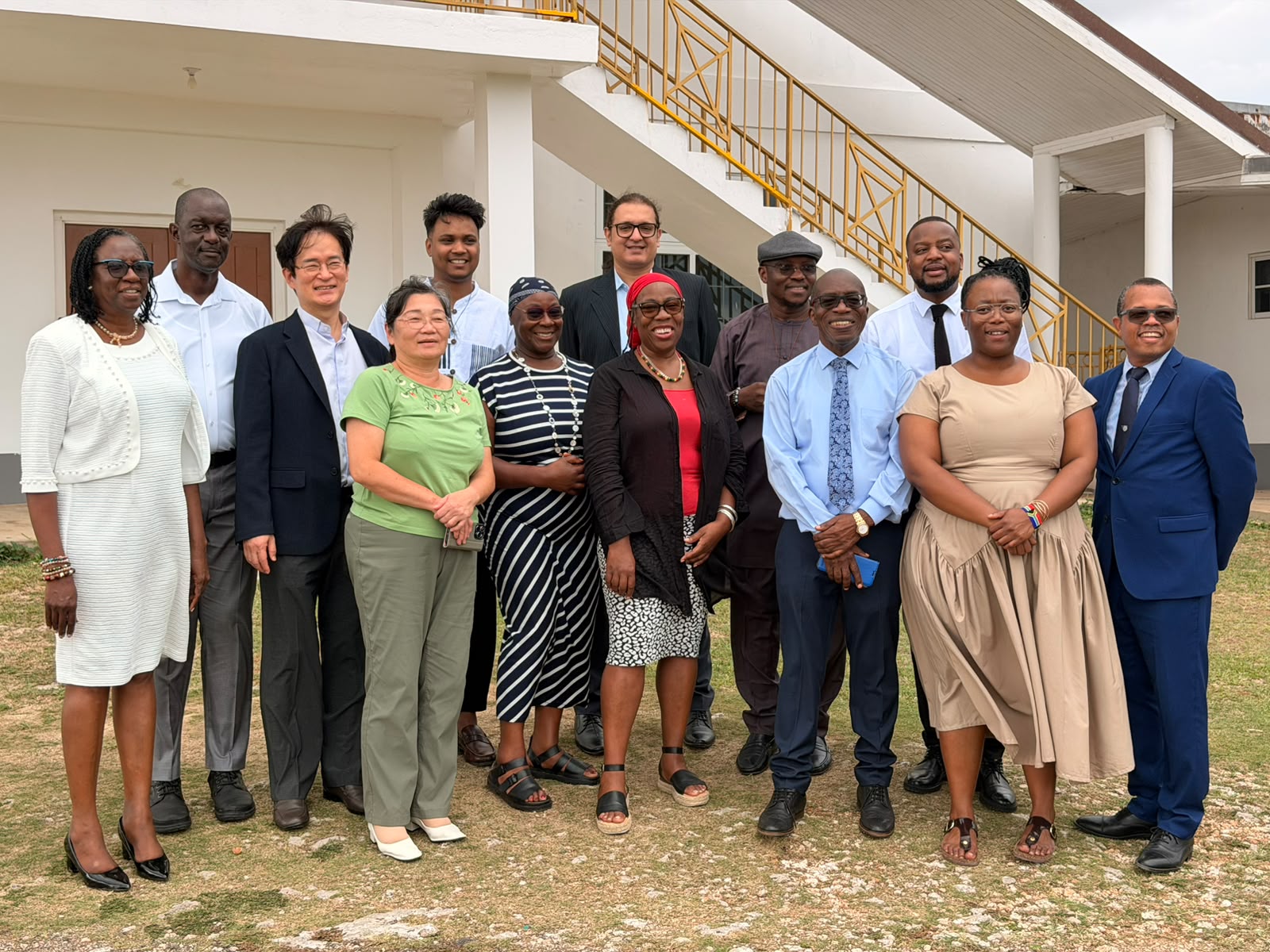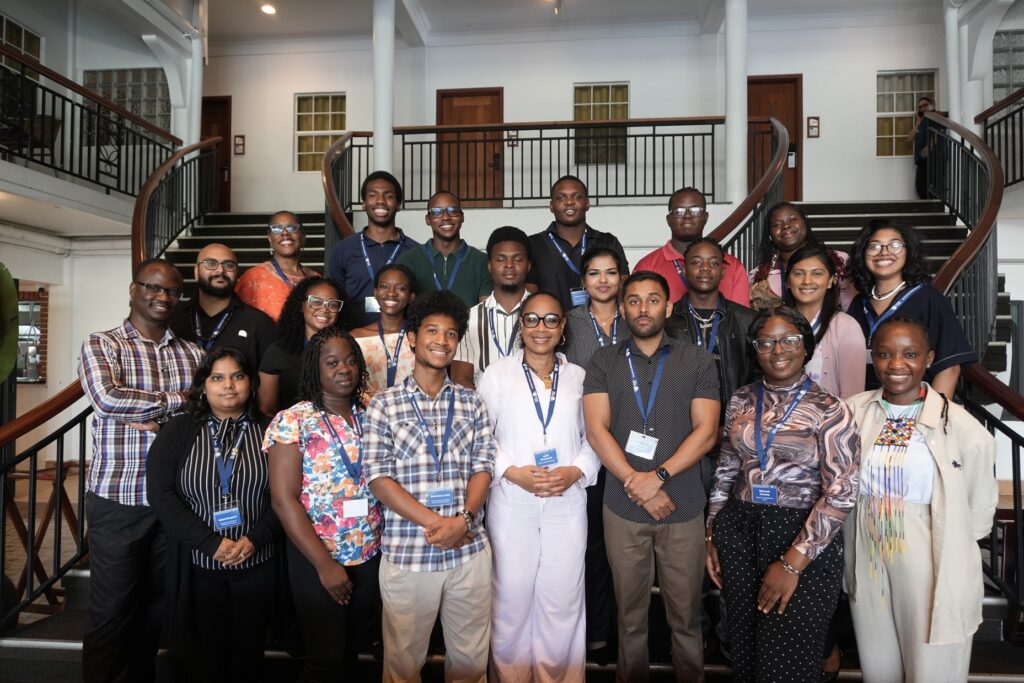
Young people from across the Caribbean gathered in Guyana from 20 to 23 August for the Caribbean Youth Initiative 2026, exploring how transformative masculinities can help churches and communities confront gender-based violence, including intimate partner violence and femicide.
Fifteen participants from the Guyana Congregational Union (GCU), the United Church in Jamaica and the Cayman Islands (UCJCI), and the Presbyterian Church of Trinidad and Tobago (PCTT) took part in the four-day programme.
They were accompanied by six facilitators: Rev. Laddia Young of UCJCI; Rev. Bjorn Warde of PCTT; Dr Cona Husbands, manager of the Sexual Offences and Domestic Violence Policy Unit within Guyana’s Ministry of Human Services and Social Security; Dr Collin Waterman of GCU; Very Rev. Dr Shelley Ann Tenia from Trinidad and Tobago; and Pastor Diego Alfonzo, a gender affairs officer in Guyana’s Ministry of Social Protection.
Exploring the impact of gender-based violence
Grounded in the biblical affirmation that all people are created in the image of God, the programme invited participants to challenge harmful patriarchal norms, theologies, and practices, while examining the impact of gender-based violence on mental health, families, communities, and socioeconomic well-being.
“Strength does not mean control, and strength does not mean abuse. It does not mean power over, but it means power with,” said CWM Mission Secretary for Social Justice and the Caribbean Region Janet McConnell.
Through interactive exercises, case studies, role-play, and biblical reflection, participants explored intersectionality, trauma and mental well-being, bystander intervention, and safeguarding. The programme also addressed the creation of safer churches through survivor-centred care, responsible reporting, policies, codes of conduct, and institutional accountability.
“After a traumatic experience such as gender-based violence, the body remembers the trauma, and the trauma is frequently replayed in the body, resulting in many mental health disorders,” Alfonzo said.
From learners to advocates
The programme placed a strong emphasis on practical learning. Working in three teams alongside facilitators, participants developed community awareness projects for boys, teenagers, and young adults, which they presented on the final day.
Games, skits, role-play, conversations, reflection tools, and a website developed during the programme helped communicate messages about healthy and nonviolent relationships.
Omar McAmmon, a participant from GCU, described the programme as “enlightening.”
“I have learned how to be different and not to be influenced by the negative things that some men say about women and do,” McAmmon said.
“I am excited and ready to go back and do some serious work with the men I work with and others.”
The programme concluded with commitment cards, candle-lighting, affirmations, prayer, and a formal sending. Participants returned home committed to developing transformative masculinities and gender-based violence prevention initiatives in their communities, applying bystander intervention and nonviolent communication tools, and creating digital advocacy initiatives linked to support and cross-Caribbean peer accountability.
Through these commitments, participants were encouraged to carry their learning beyond the programme and into their local churches and communities.