The United Congregational Church of Southern Africa (UCCSA) has offered a lifeline to thousands of Zimbabweans returning from South Africa amid escalating xenophobic threats and violence, providing shelter, food, and pastoral care through the Njube Transit Centre in Zimbabwe.
Opened in July 2026 at Njube Local Church, the centre was established in partnership with the government and other churches to assist returnees, many of whom arrived with little more than the clothes they were wearing.
Guided by its theme, “Empowered by Faith, United in Purpose: Transforming Communities for a Just and Hopeful Future,” UCCSA’s ministry at Njube continues to bear witness to Christ’s compassion, reminding vulnerable families that they are not forgotten and that hope can be restored through the love and solidarity of others.
By September, approximately 3,000 people had passed through the centre.
“We initially thought it would be a matter of one or two buses and that the programme would be over within a few days,” said Njube Local Church Resident Minister Rev. Mlayo Sikhosana.
“However, many more buses arrived, bringing a significant number of returnees. It became a practical expression of the Gospel, where we experienced God’s presence by feeding the hungry, clothing those in need, and caring for people we did not even know,” Sikhosana said.
UCCSA congregants join hands to expand care
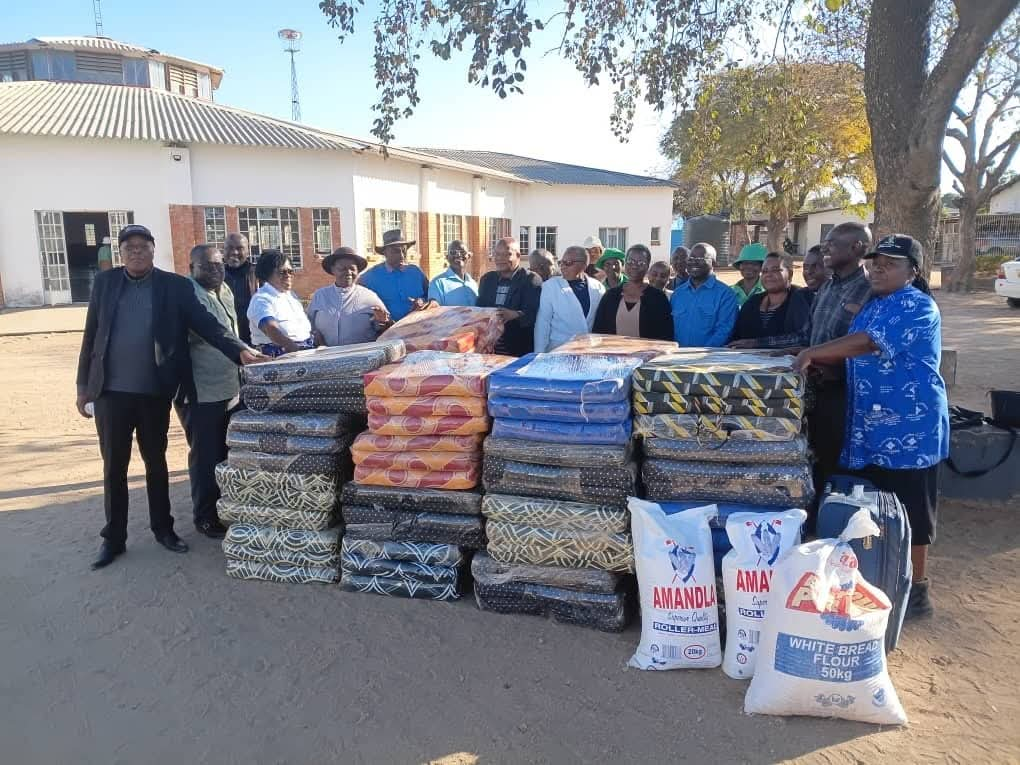
As arrivals increased, the church expanded its assistance beyond temporary accommodation and meals to include clothing, baby nappies, milk, sanitary products, and food parcels for families struggling to rebuild their lives.
Congregants volunteered their time and donated household essentials, including cooking pots and plates, while the UCCSA Zimbabwe Synod Office provided mattresses. Support also came from congregations across the synod, other denominations, organisations, institutions, and local government.
For UCCSA Zimbabwe Synod Chairperson Rev. Sikhangezile Mhlanga, the response demonstrated the church’s calling to translate faith into meaningful action.
“The church had a choice: to preach about love and service or to put those teachings into practice. UCCSA Zimbabwe Synod chose to demonstrate its faith through acts of love, compassion, and service to the returning migrants,” Mhlanga said.
Beyond meeting immediate physical needs, the church also offered a listening ear and spiritual encouragement to people facing uncertainty and displacement.
“We listened to their stories, prayed with them, offered support, and helped some reconnect with their families. It was not just about providing food and shelter but also restoring hope and reminding them that they were still valued,” Mhlanga said.
Although arrivals have declined, the challenges of reintegration remain. Many returnees continue to struggle with unemployment, housing insecurity, and access to education.
Among those receiving assistance were two sisters and their families, whom the church supported with food and basic necessities.
“For now, we thank God for the UCCSA for taking us back when we could not afford rent at Luveve, and they really helped us with all they had,” the family said.