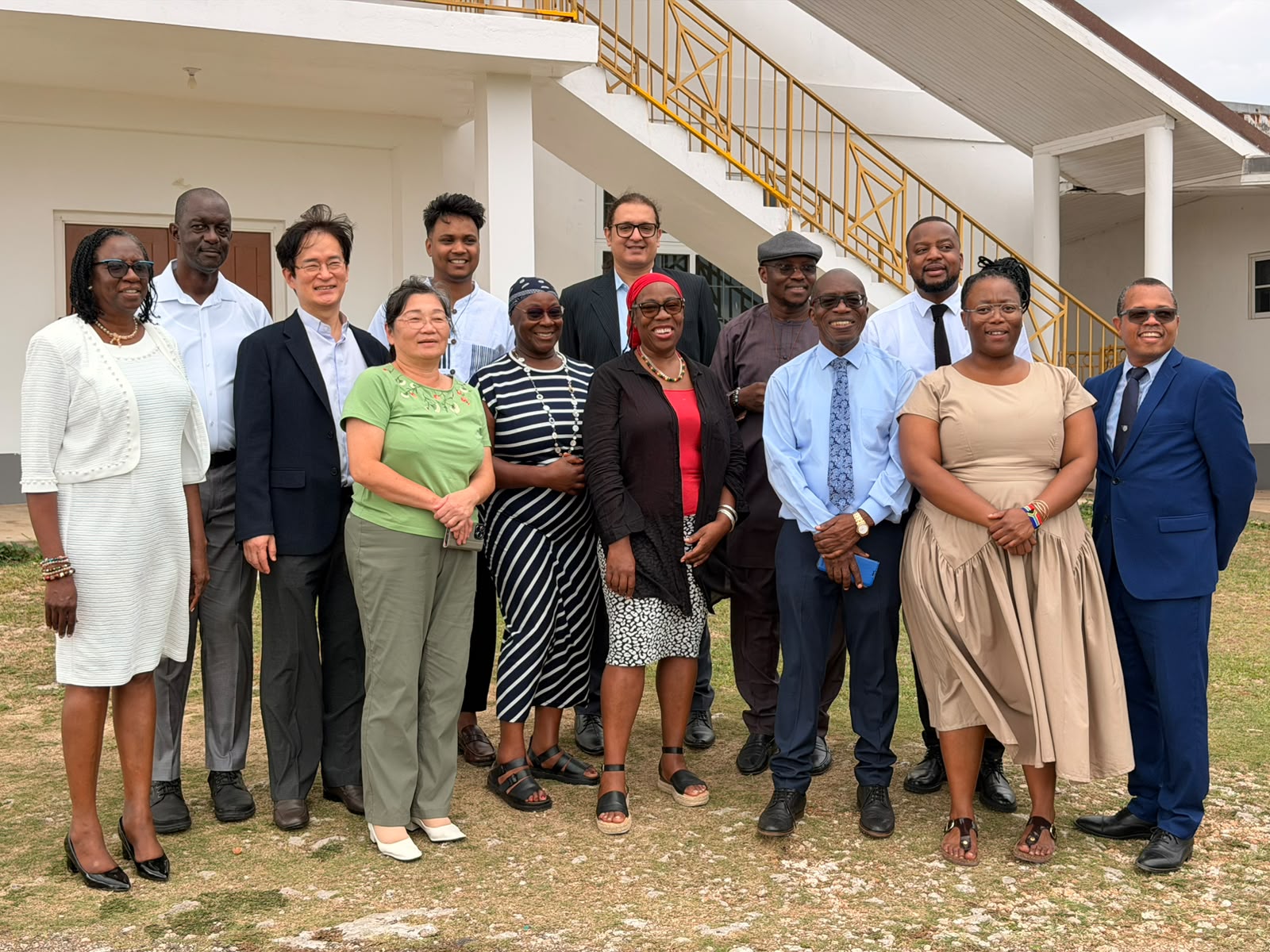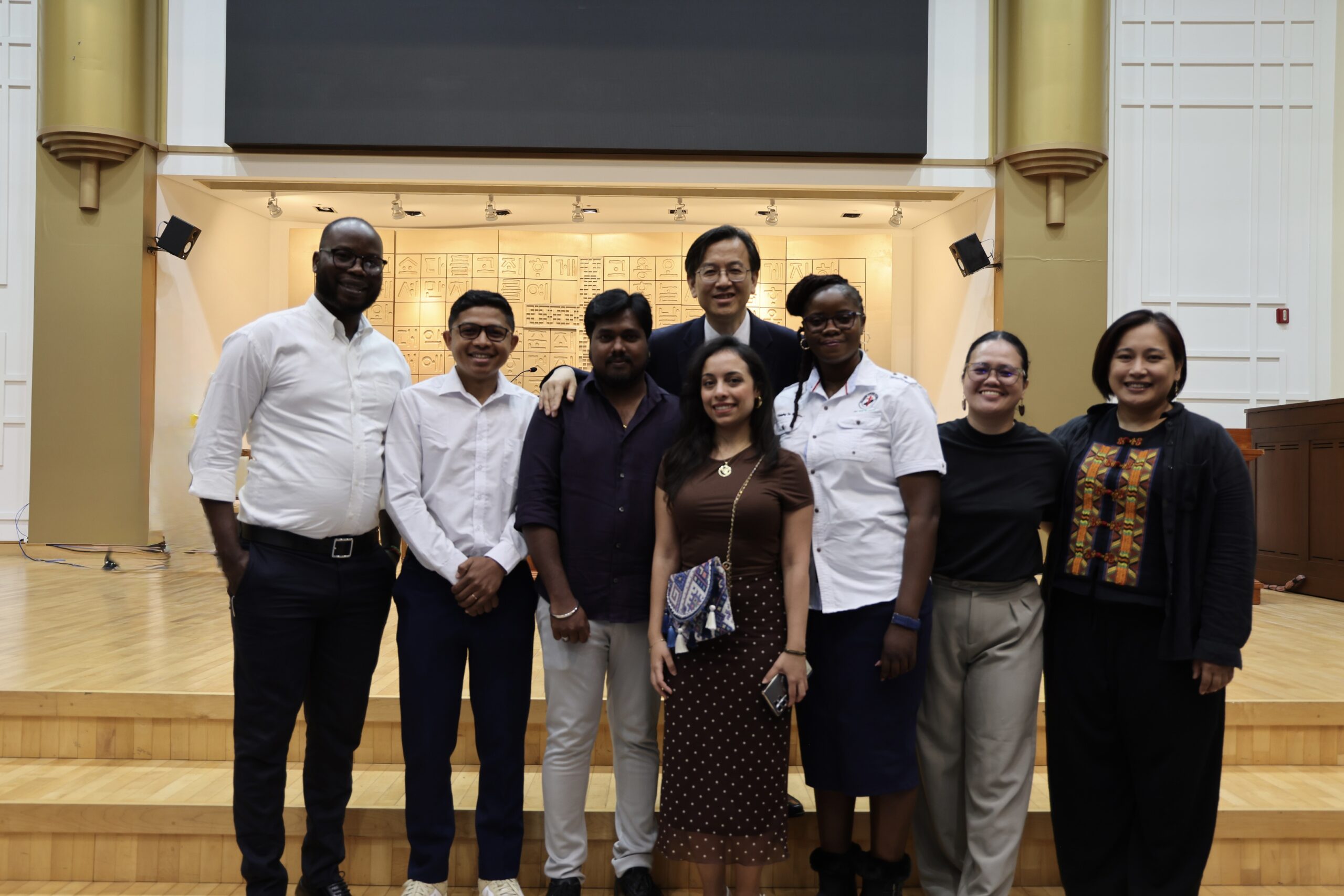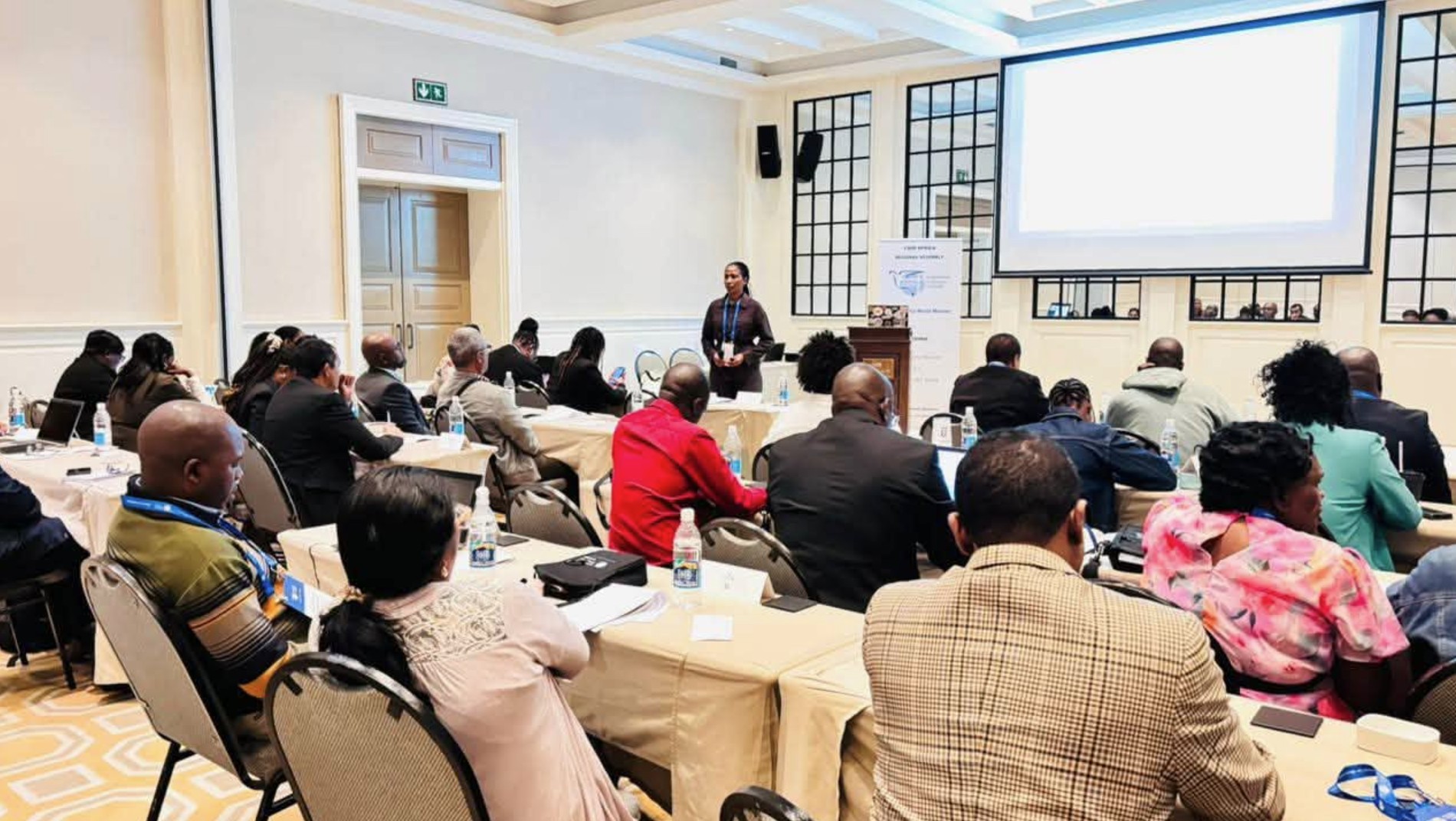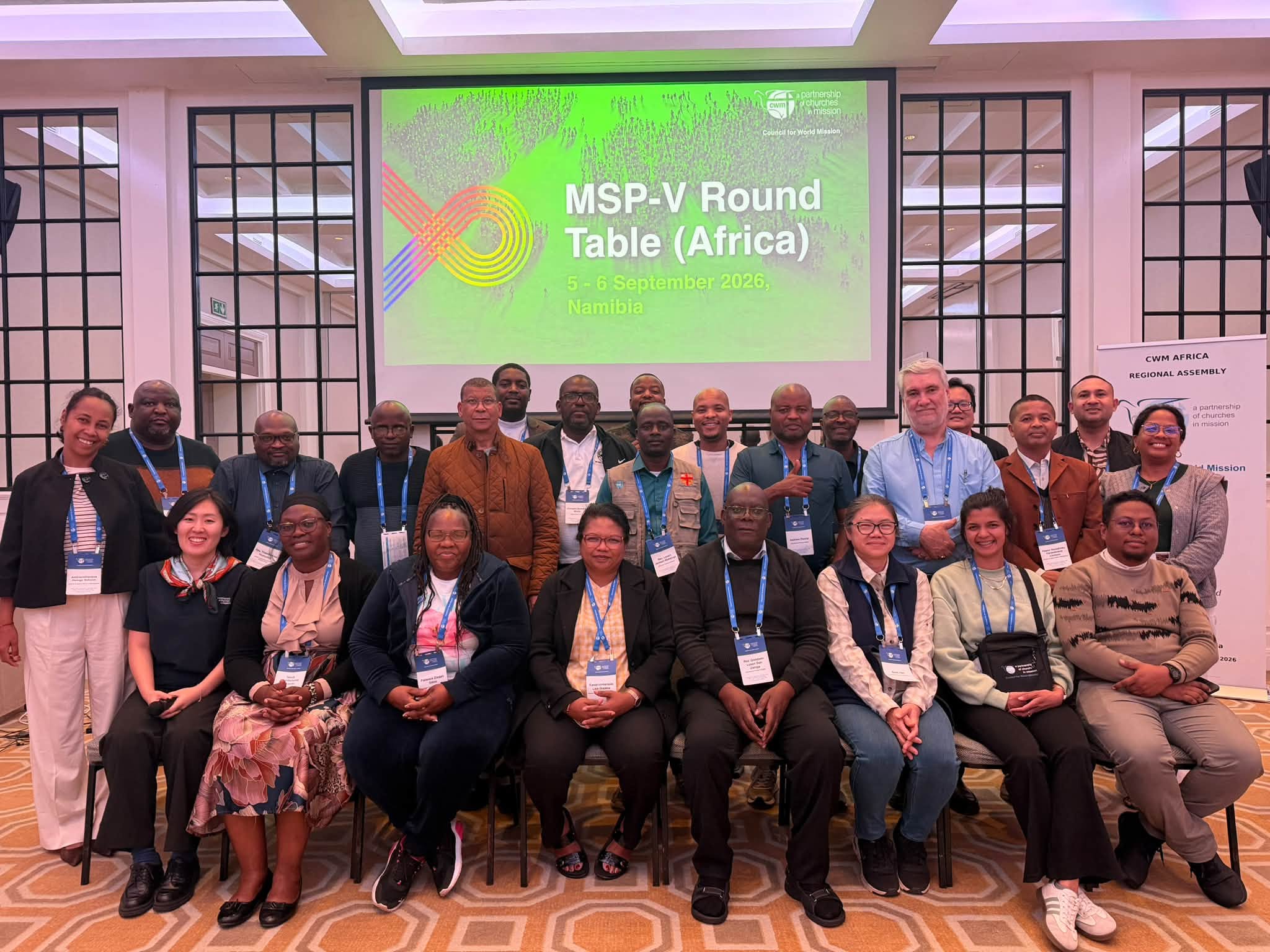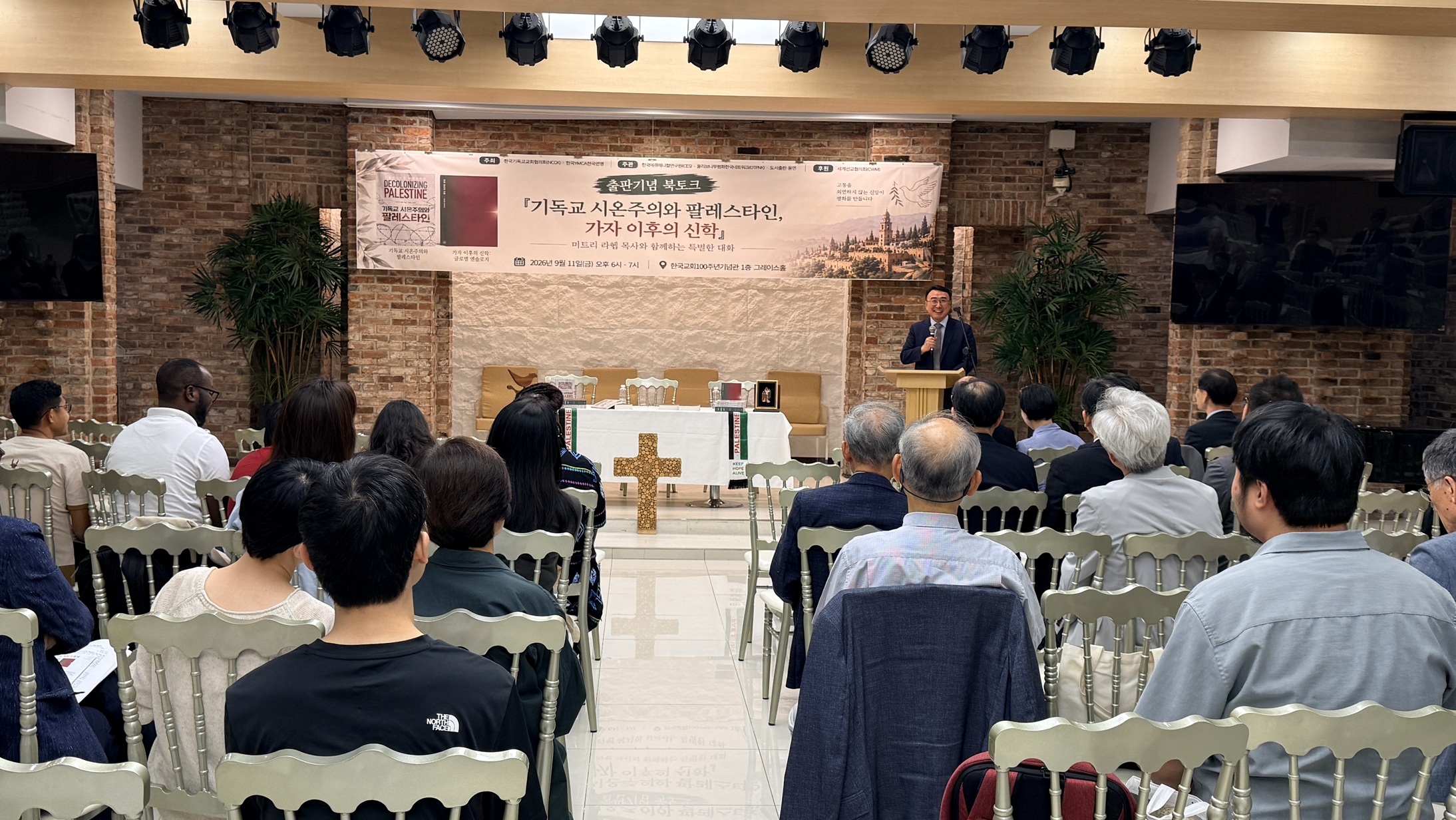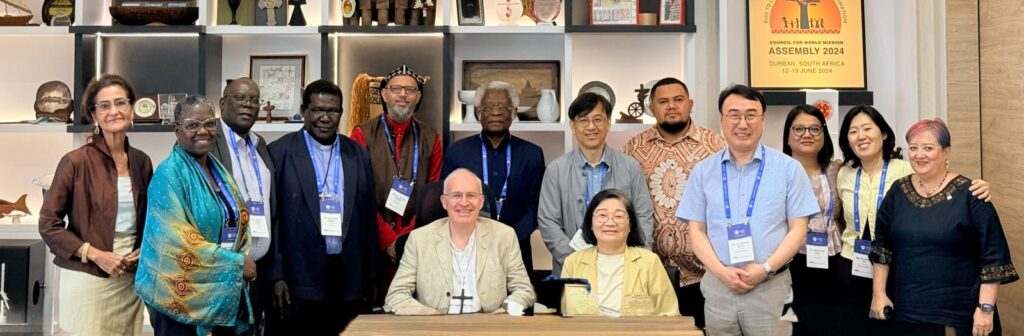
The Council for World Mission (CWM) Programme Reference Group (PRG) gathered at the CWM Singapore office from 15-17 October to reflect on how CWM’s programmes can contribute to mission renewal, foster life-flourishing communities, and strengthen the organisation’s journey towards Jubilee 2027 and the 2028 Assembly.
The meeting brought together 10 PRG members, CWM General Secretary Rev. Dr Jooseop Keum, programme staff, and resource persons. Participants reflected on the signs of the times, including war, religious nationalism, ecological destruction, migration, artificial intelligence, and young people’s search for wellbeing and belonging.
Central to the gathering was the conviction that Jubilee must inspire meaningful transformation rather than simply celebrate an anniversary.
“Jubilee cannot be genuine while freedom is a privilege for some and a distant promise for others,” said PRG member Dr Lalmuanpui Hmar during the opening devotion on 17 October.
Presenting CWM’s Jubilee journey alongside CWM Mission Secretary for the General Secretariat, Rev. Dileep Kumar Kandula, Keum expressed hope that the meeting would help guide CWM in developing a unified missiological statement that sharpens the organisation’s future vision and provides direction for its mission for decades ahead.
Refining CWM’s core priorities ahead of Jubilee
Members emphasised the importance of grassroots participation, gender justice, interfaith engagement, and stronger member church ownership in shaping CWM’s renewed missional direction.
The PRG also reviewed all six CWM programme areas, highlighting the need for closer collaboration, sustained accompaniment, and clearer evidence of how programme learning translates into action within churches and communities.
Discussions focused on strengthening member church-led discernment through the Mission Support Programme V (MSP-V), decolonising Training in Mission (TIM), and advancing economic and ecological justice by strengthening connections between theological education, engagement, and practical community action.
Members also received an update on the latest developments in The Onesimus Project (TOP). TOP Core Group Chairperson Prof. Roderick R. Hewitt and TOP Coordinator Rev. Wellington Mthobisi Sibanda outlined the programme’s continuing shift beyond project funding towards member church ownership, collective action, education for liberation, and reparatory justice.
The PRG also reviewed the draft youth strategy, calling for greater inclusion of minority and Indigenous communities and stronger attention to mental health and wellbeing.
The CWM Communications Strategy 2026–2028 was also presented, prompting discussion on the need for better coordinated planning and more accessible communications frameworks.
Repentance, restitution, and reconciliation
As CWM approaches Jubilee, the PRG reaffirmed its commitment to build on the outcomes of the meeting by strengthening programme coordination, collaboration, and accountability across CWM’s member churches.
Key priorities included advancing Jubilee preparations through greater inter-church participation, gender justice, interfaith engagement, and renewed missiological direction; strengthening programme accompaniment and evaluation of its impact on communities; and refining youth initiatives to promote inclusion, wellbeing, and entrepreneurship.
The TOP team also reiterated its commitment to strengthening the programme through improved monitoring, documentation, education, and advocacy, alongside closer coordination and communication across CWM’s programmes.
The meeting concluded with a biblical reflection on Luke 19:1-10, led by Prof. Byung Joon Chung. Drawing on Zacchaeus’s encounter with Jesus, Chung connected biblical repentance with restitution, economic justice, reconciliation, and restored relationships.