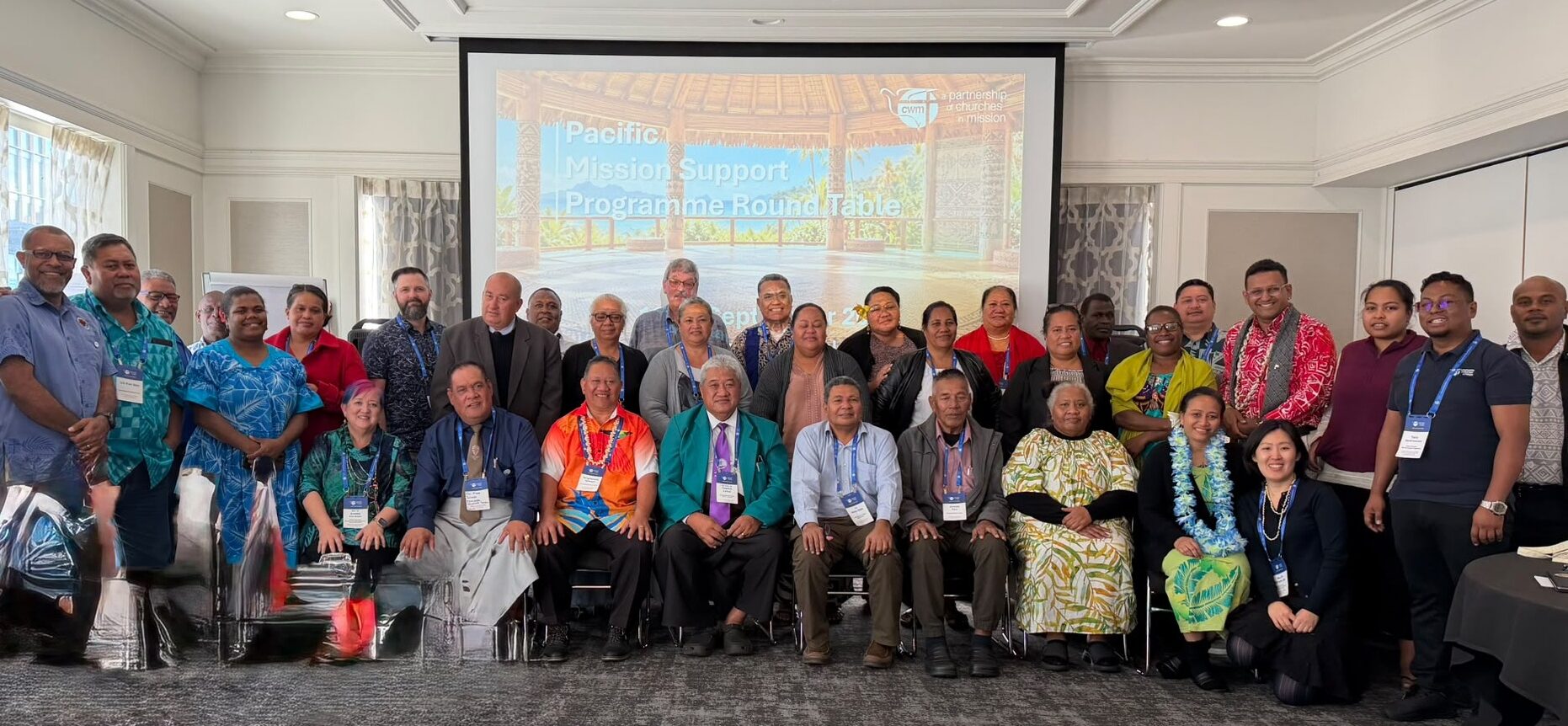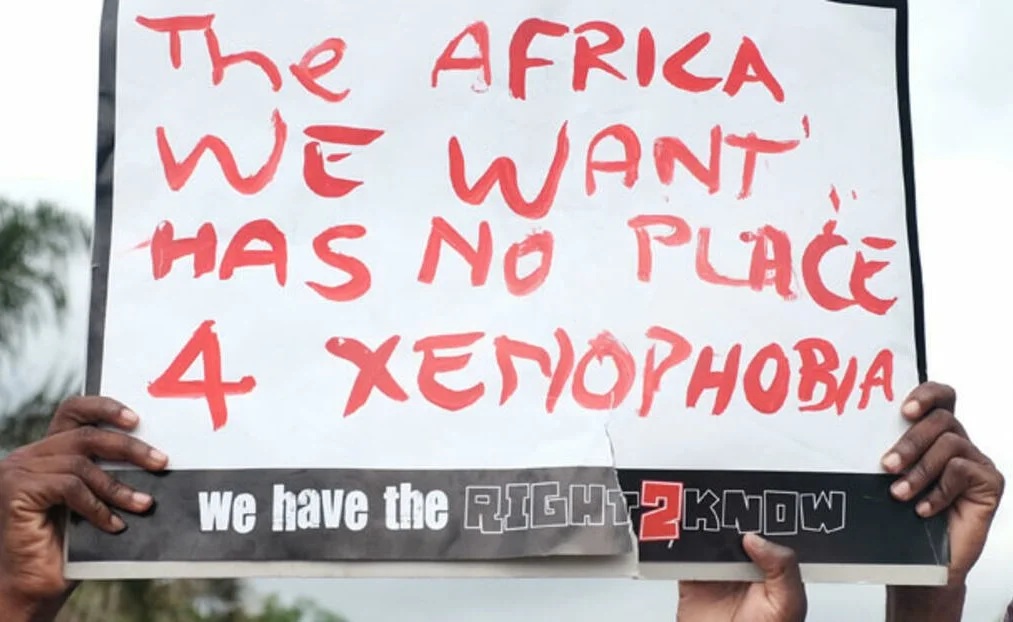
We, the delegates representing the Council for World Mission’s global partnership of 36 member churches, gathered in Auckland, New Zealand, under the theme, “Oceans of Hope: Envisioning Jubilee from the Pacific,” and journeying toward CWM’s Jubilee in 2027, raise our collective voice in response to the escalating xenophobic violence in South Africa.
We reiterate the statements made by the South African Council of Churches (SACC), the African Communion of Reformed Churches (ACRC), the United Congregational Church of Southern Africa (UCCSA) and the Uniting Presbyterian Church in Southern Africa (UPCSA), in speaking with one heart and conviction:
“The foreigner residing among you must be treated as your native-born. Love them as yourself, for you were foreigners in Egypt.” (Leviticus 19:34)
Our Lament and Our Outrage
We grieve the loss of life, displacement of families, destruction of livelihoods, and the rising climate of hostility directed at foreign nationals who are fellow Africans living in South Africa. We recognize the deep irony and pain of such violence occurring in a nation that once stood as a global symbol of resistance against racial exclusion and injustice. The same neighbouring countries and peoples who stood in solidarity with South Africans during apartheid now find their sons and daughters threatened and harmed. This violence betrays both the African philosophy of Ubuntu “I am because we are” and the Gospel of Jesus Christ.
We wish to assert that xenophobia is sin and that violence against foreigners is a rebellion against the command of Christ to love our neighbour and an assault on human dignity.
We acknowledge that many South Africans face severe economic hardship, including unemployment that exceeds 40 percent, deepening poverty and inequality, poor service delivery, corruption and institutional failure, and a growing sense of abandonment. These grievances are real. Communities feel unheard, and frustration runs deep. Yet we believe that foreign nationals are not the primary cause of unemployment or poverty, that crime is not perpetrated solely by foreigners, that unsafe trading practices are matters for lawful regulation rather than mob justice, and that no individual or group has the authority to determine who deserves protection under the law. To blame the stranger is to divert attention from the structural failures of governance, corruption, economic injustice, and weak institutional accountability.
Our theological conviction is unambiguous. The Holy Scriptures direct us: “Do not mistreat or oppress a foreigner” (Exodus 22:21); “Love them as yourself” (Leviticus 19:34); and “Just as the body is one and has many members… so it is with Christ” (1 Corinthians 12:12). There can be no theological neutrality in the face of xenophobia, for silence becomes complicity. As churches empowered by faith and united in purpose, we are called to radical hospitality, courageous truth-telling, and active peace-making. We therefore commit ourselves, and encourage all churches, to foster peaceful cohabitation and social dialogue between citizens and foreign nationals; to provide pastoral care and humanitarian assistance to victims of violence; to address xenophobia within congregations and church councils; to challenge narratives of fear, exclusion, and superiority; to engage community leaders in pursuing non violent, rights-based approaches; to reclaim Ubuntu as a daily ethical practice rather than rhetorical nostalgia; and to teach that hospitality to the stranger is central, not peripheral, to Christian discipleship.
We further appeal to the Government of South Africa to act decisively to protect all who live within its borders, to ensure swift and impartial prosecution of perpetrators, to restore public confidence through visible and consistent enforcement of the rule of law, to strengthen border management and immigration systems with fairness and efficiency, to address corruption and service delivery failures that fuel public frustration, and to promote regional cooperation aimed at addressing the root causes of migration across the continent. We call upon the South African Police Service and the criminal justice system to proactively prevent violence, apprehend instigators, ensure that justice is not selective, and protect innocent migrants from collective blame. Finally, we urge political and community leaders to cease inflammatory rhetoric and to reject the exploitation of fear for political or economic gain.
Jubilee Vision from the Pacific
As we journey toward our Jubilee in 2027 a biblical vision of restoration, justice, and right relationships, we affirm that Jubilee cannot be celebrated while strangers are attacked and neighbours live in fear. From the Pacific, surrounded by oceans that connect continents rather than divide them, we proclaim:
We are our brother’s and sister’s keepers.
We will not turn away the stranger.
We are called to communion and committed to justice.
May this painful moment become a turning point from which we may move from fear to solidarity, from exclusion to belonging, from violence to reconciliation.
God bless Africa,
Guard her people,
Guide her leaders,
And give her peace.
Issued by the Council for World Mission Annual Members’ Meeting (AMM)
Auckland, New Zealand
24 June 2026
In the photo: Poster by South Africans and migrants during an anti-xenophobia match outside the city hall of Durban in 2015. [Courtesy – Association for African Catholic Information in Africa website]