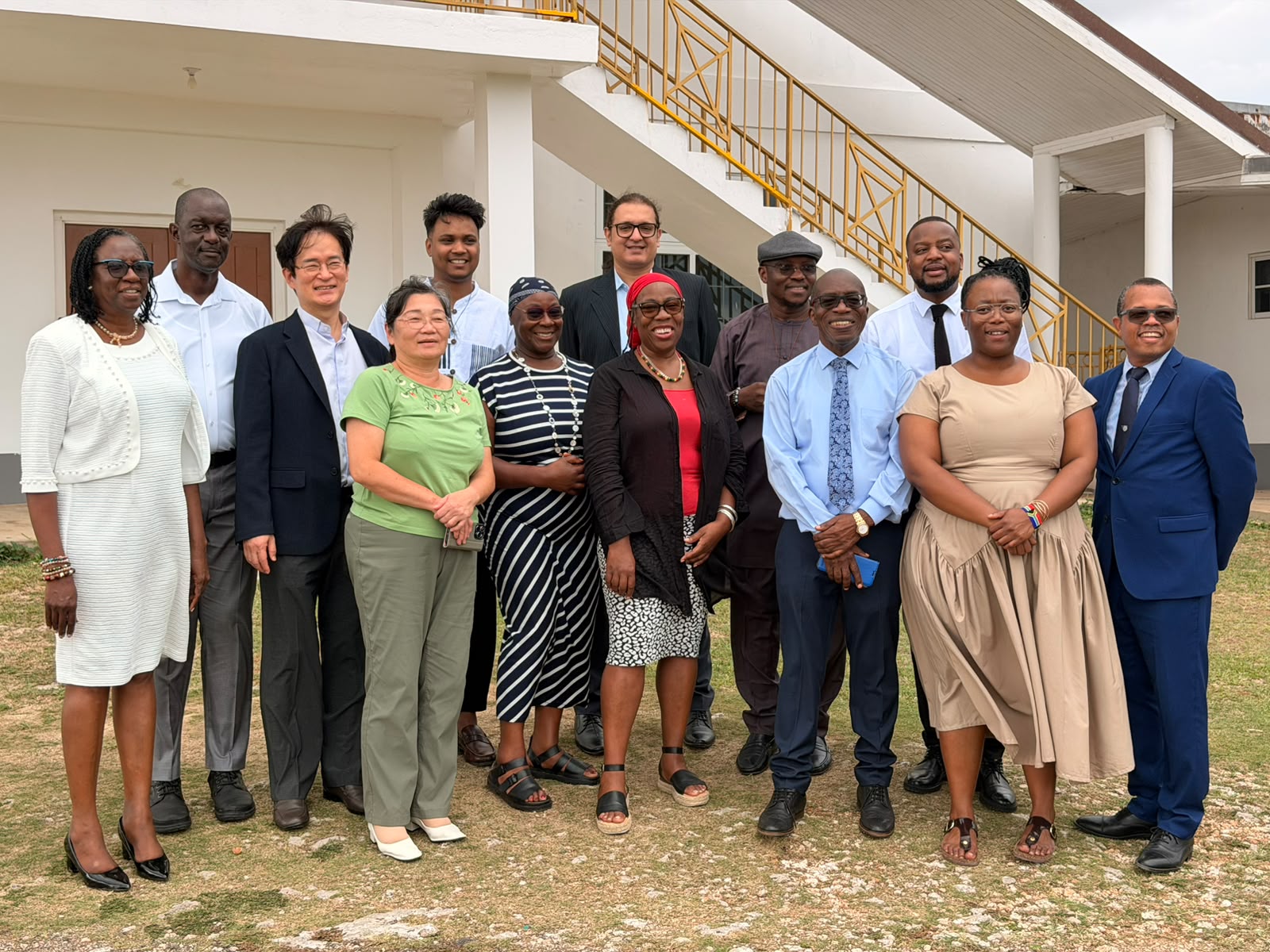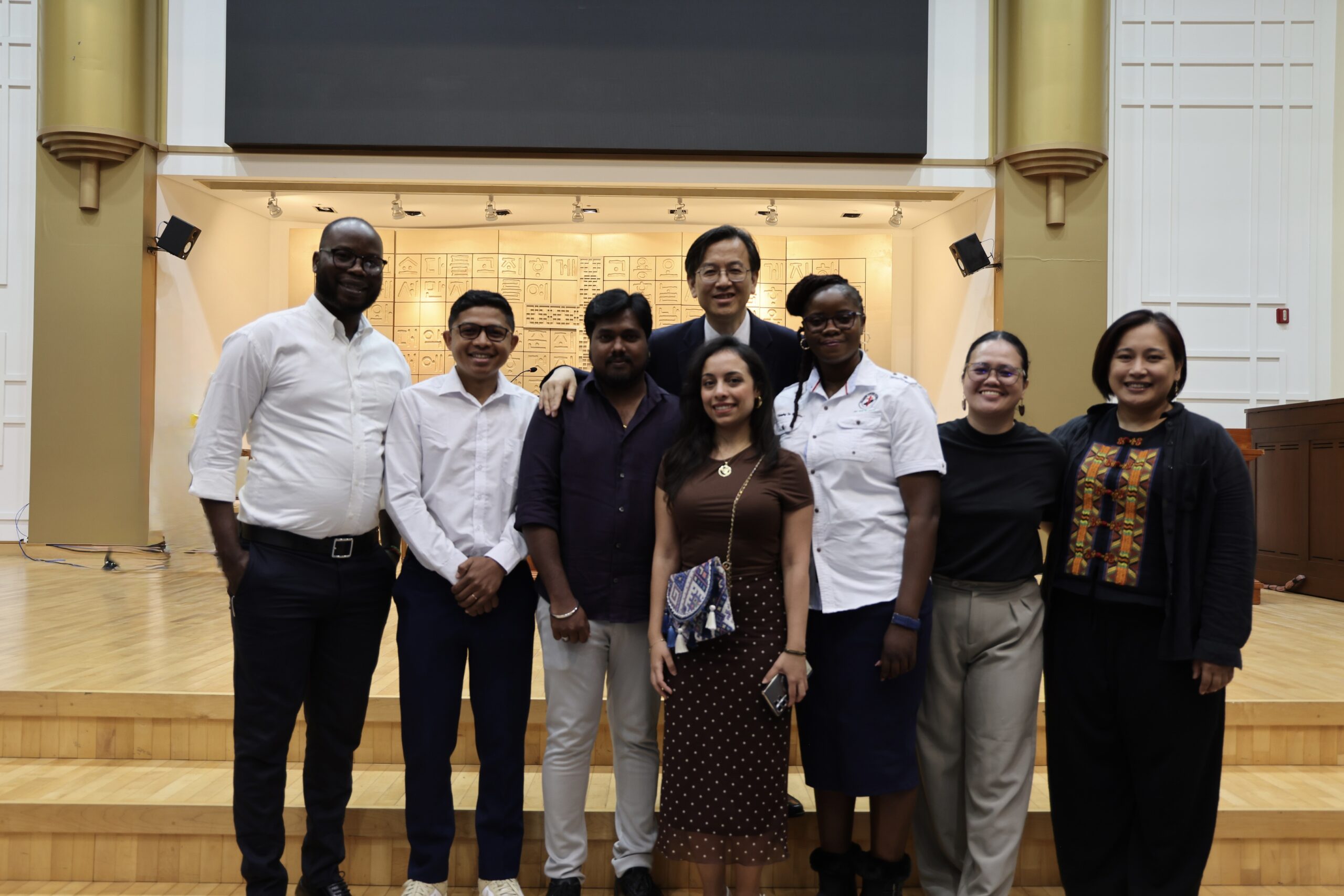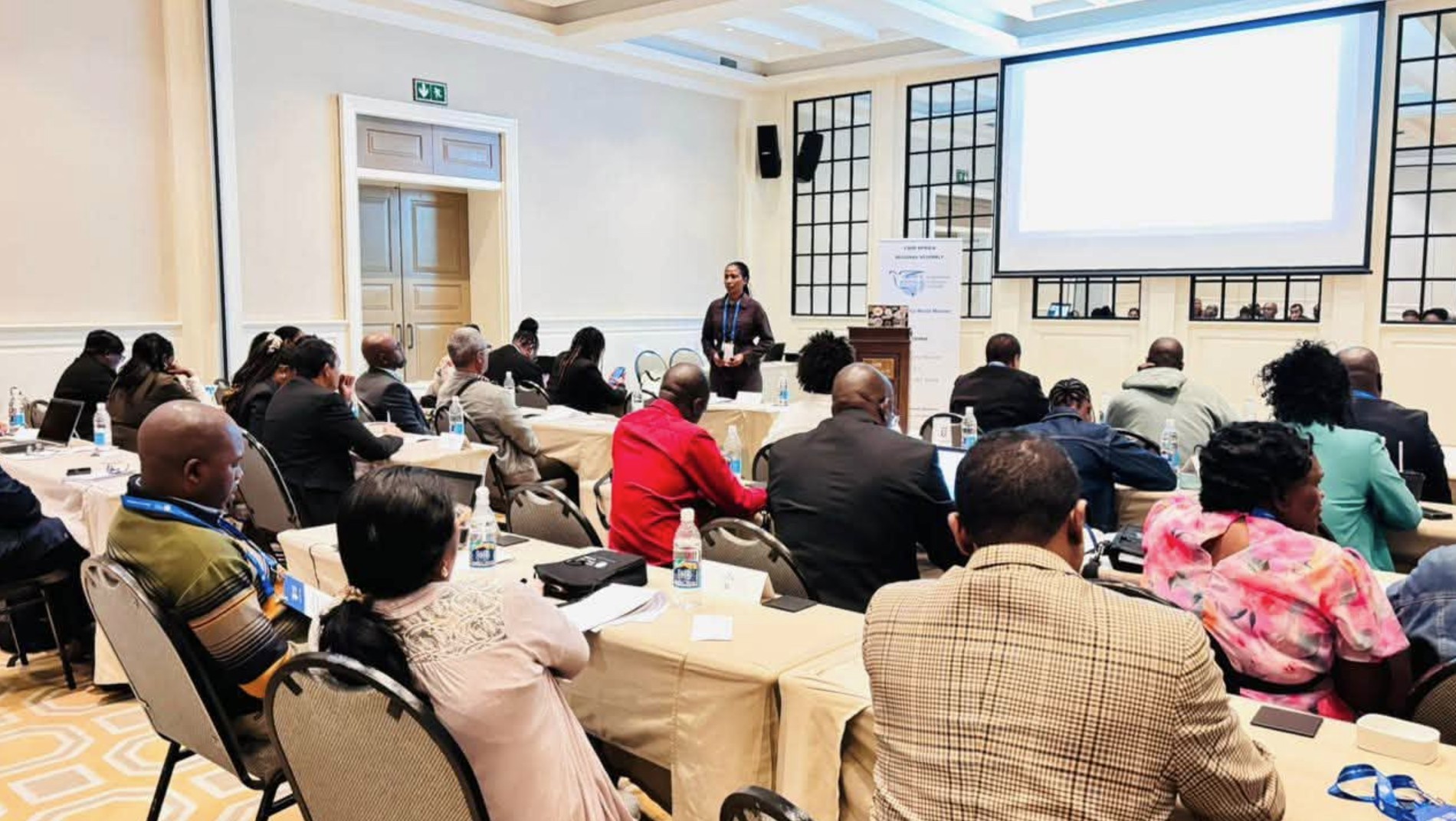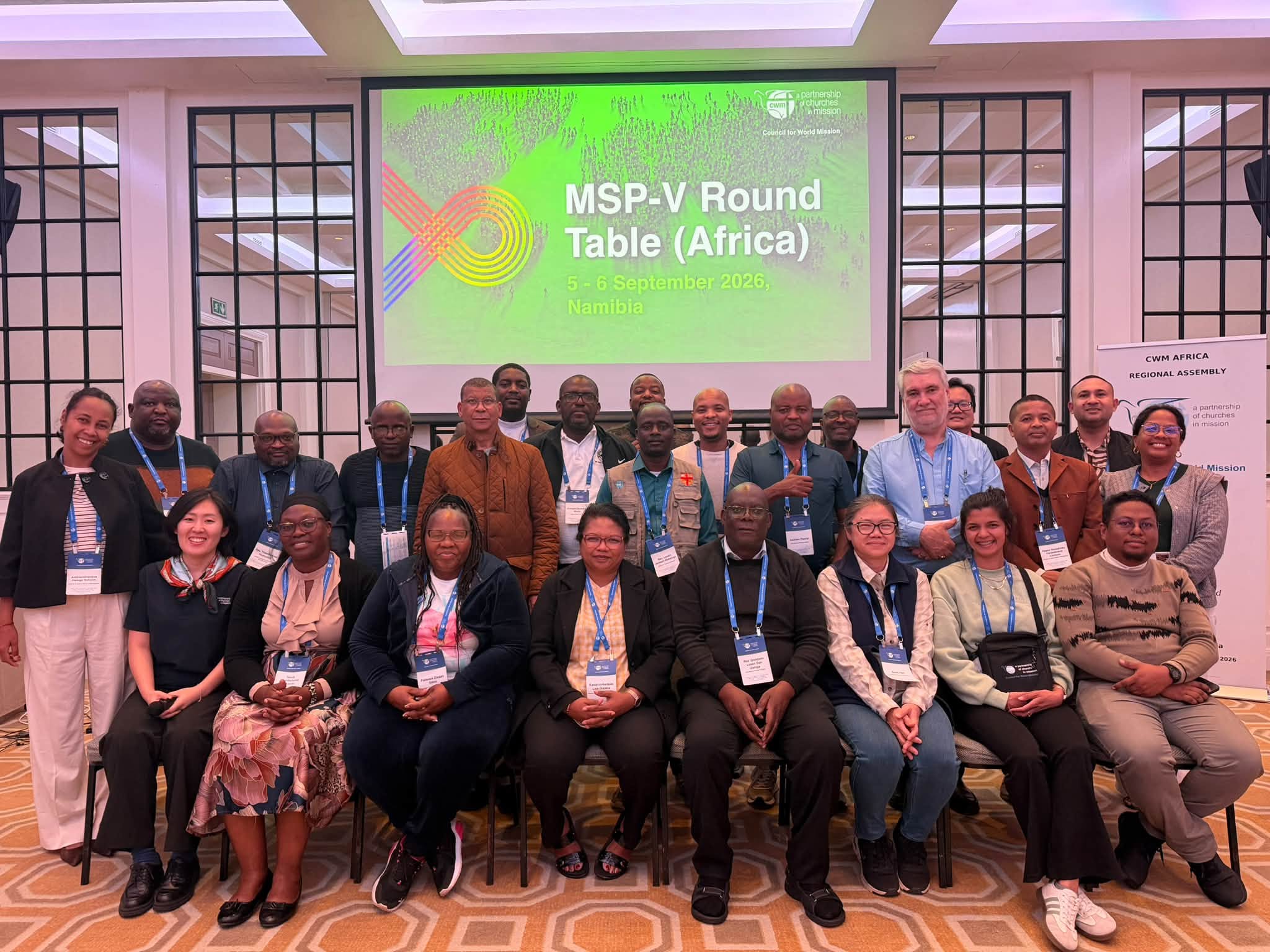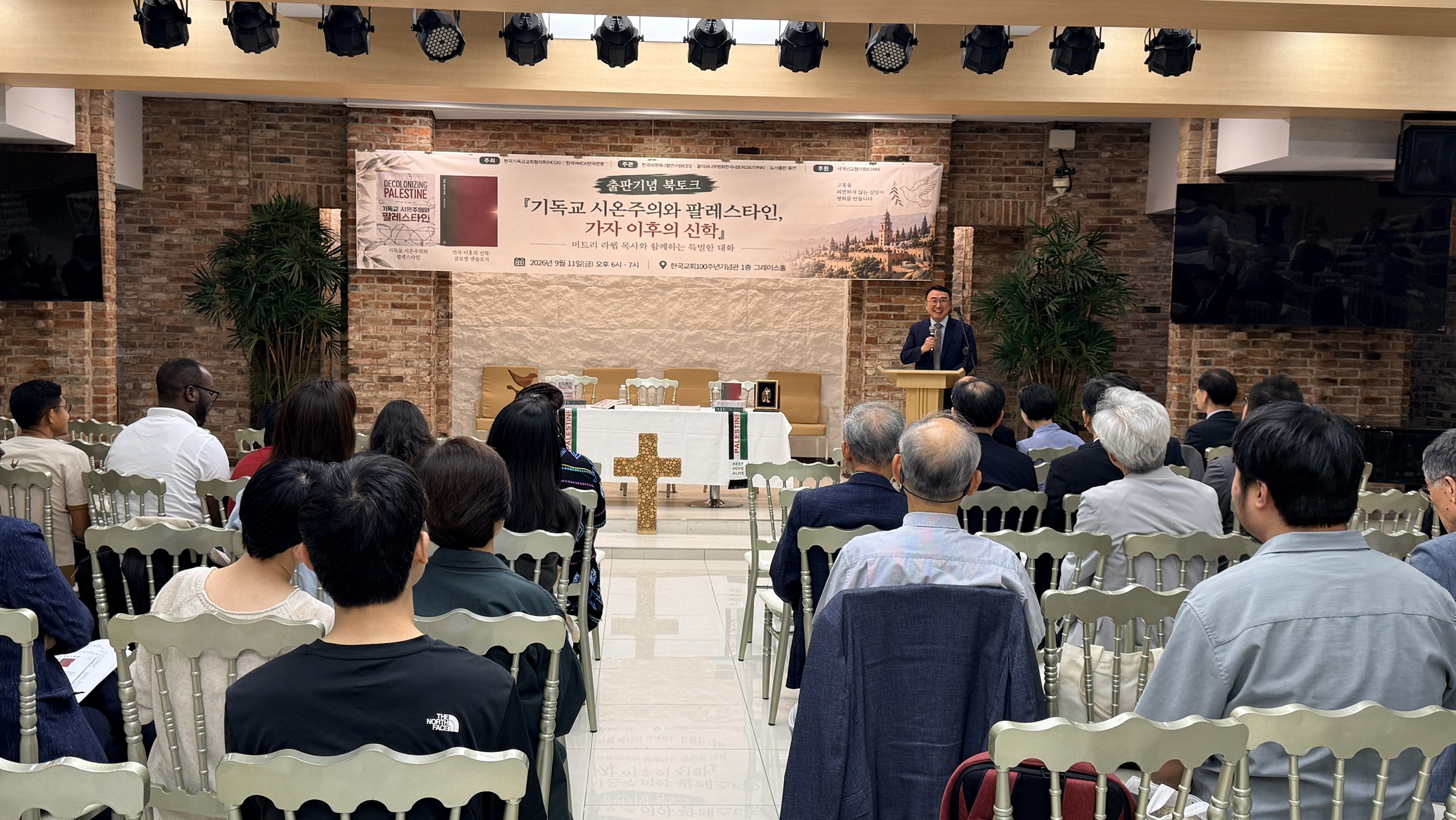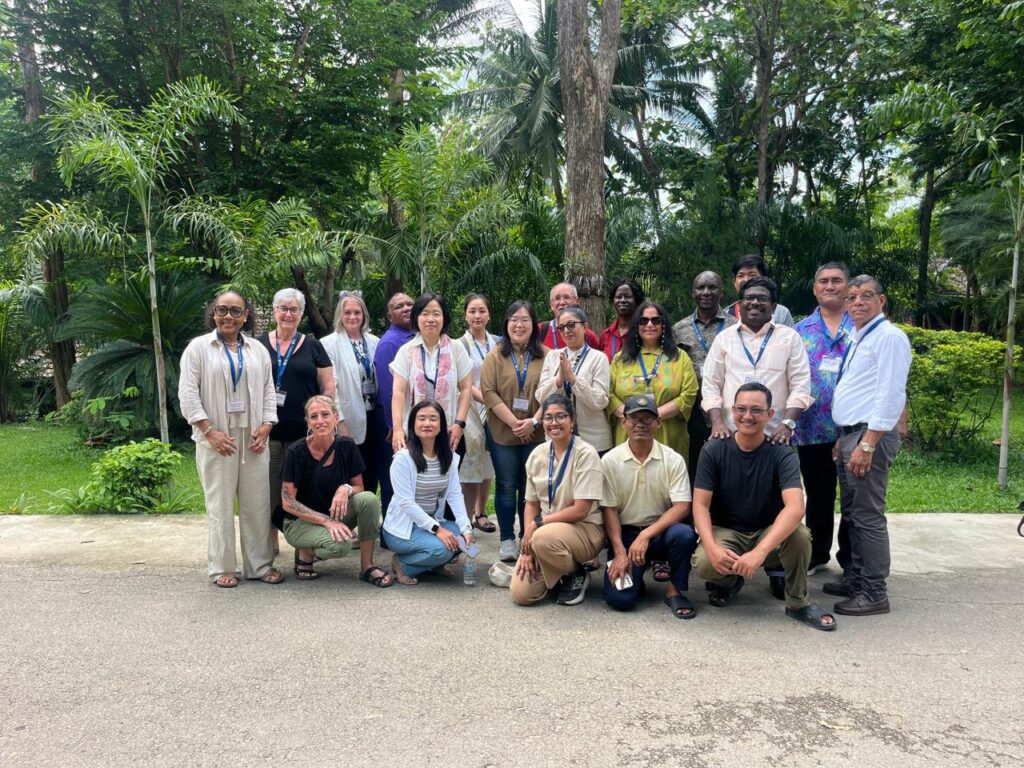
Church representatives and ecumenical leaders from across the Council for World Mission’s (CWM) global partnership gathered in Mae Sot, Thailand, from 27 to 30 May for the Church in Action: A Place of Refuge – Faith Communities Engaging with Migrant and Refugee Communities programme.
The gathering brought together 18 participants, including partners and CWM staff from member churches and ecumenical organisations across Africa, the Caribbean, East Asia, Europe, the Pacific, and South Asia.
Participants represented a wide range of ministries working with migrants, refugees, asylum seekers, displaced communities, and issues of labour justice and community accompaniment.
Call to move beyond awareness
Held near the Thailand–Myanmar border, the programme immersed participants in a complex context shaped by migration, conflict, displacement, labour exploitation, and border insecurity. More than a learning event, the gathering sought to equip churches to respond theologically, pastorally, and prophetically to the realities faced by migrants and refugees.
The programme also affirmed the need for ongoing theological reflection within the CWM communion on how churches can embody refuge not only through hospitality, but also through justice, accompaniment, and transformation.
Through prayer, biblical reflection, social analysis, policy discussions, immersion visits, and action planning, participants were challenged to move beyond awareness towards active solidarity and justice. Discussions encouraged churches to listen to, learn from, and accompany displaced communities rather than viewing them solely as recipients of charity.
“The programme has been specially curated as an immersive journey into the groanings, pains, struggles, and hopes of migrants and refugees,” said Janet McConnell, CWM mission secretary for social justice.
McConnell expressed the hope that the programme would nurture a deeper conviction that the church is called to move beyond charitable acts and become a true place of refuge — an agent of justice-centred movements that uphold human dignity everywhere.
Facing the realities
Opening sessions explored the causes and realities of forced displacement, including migration trends, refugee protection, international policy frameworks, and biblical perspectives on welcoming the stranger. Participants reflected on how churches can become places of refuge rather than spaces that reinforce exclusion.
During a series of immersion visits around Mae Sot and the Thailand–Myanmar border, participants engaged with organisations and communities involved in migrant education, healthcare, livelihoods, labour rights, and humanitarian support.
Visits were made to a prosthetic hospital, migrant school, agricultural initiative, eco-printing project, and border communities. Participants described encounters that revealed both the challenges faced by displaced people and the resilience, courage, and hospitality present within migrant communities.
The programme also examined practical approaches to advocacy and community transformation. Participants explored tools such as power mapping, community asset mapping, and development strategies, while reflecting on themes of hospitality, sanctuary, solidarity, and justice.
On the final day, participants presented action plans tailored to their own contexts. These included initiatives supporting Venezuelan migrants in Guyana and Trinidad and Tobago, internally displaced communities in Myanmar, refugees and asylum seekers in Nauru and the United Kingdom, migrant workers in Mauritius, anti-xenophobia education in South Korea, refugee awareness in Hong Kong, and inclusive pastoral ministry in India.
Choosing the way of Christ
The programme concluded with worship, communion, prayer, and commissioning. Reflecting on Luke 23:18–25, participants were challenged to choose the way of Jesus over the pursuit of power, self-interest, and exclusion.
The closing service remembered those experiencing displacement, grief, injustice, trauma, and uncertainty, and commissioned participants to return to their communities with a renewed commitment to accompany migrants, refugees, and displaced people.
Looking ahead, participants committed to implementing their contextual action plans, strengthening partnerships with civil society organisations and ecumenical partners, and expanding church-based initiatives such as migrant support services, theological formation programmes, language and education initiatives, and advocacy for labour rights and refugee policy implementation.