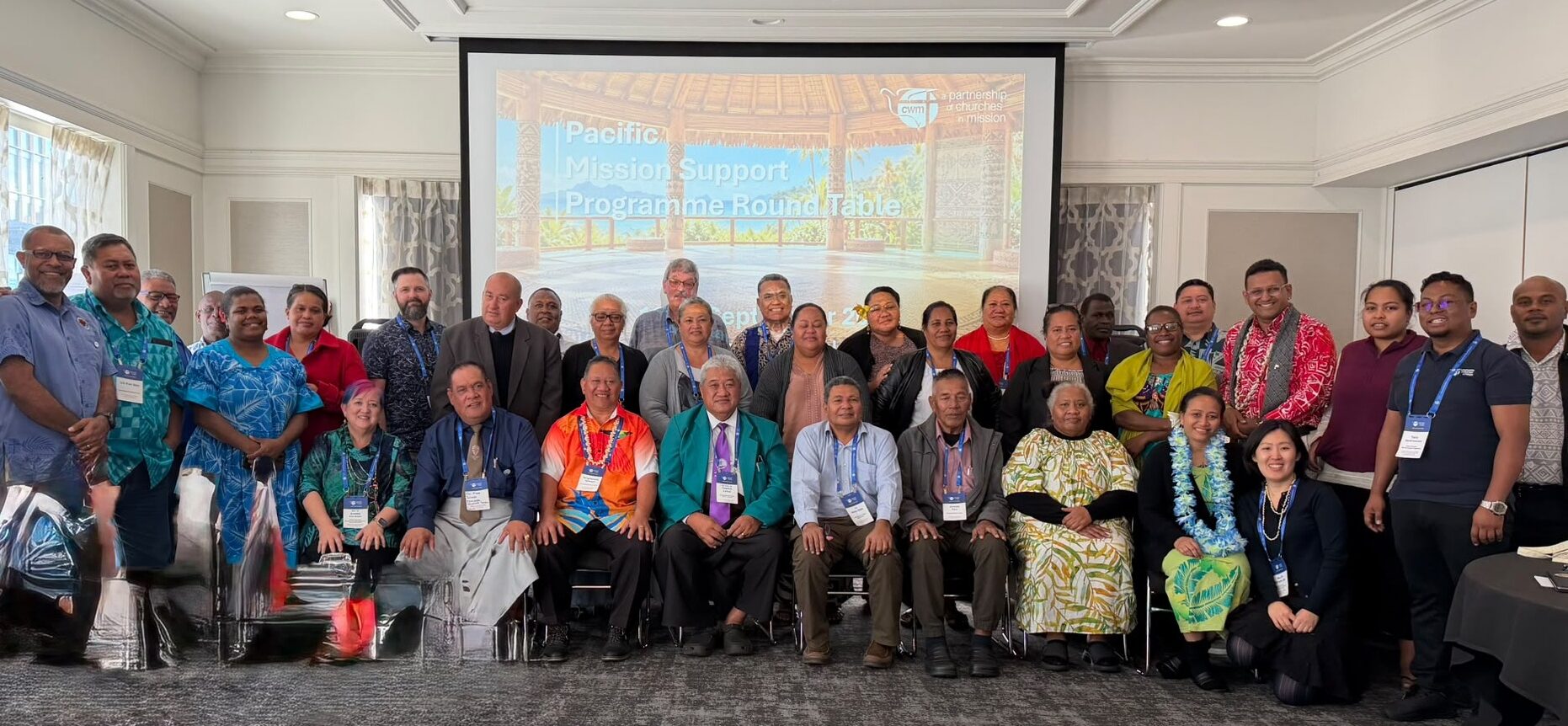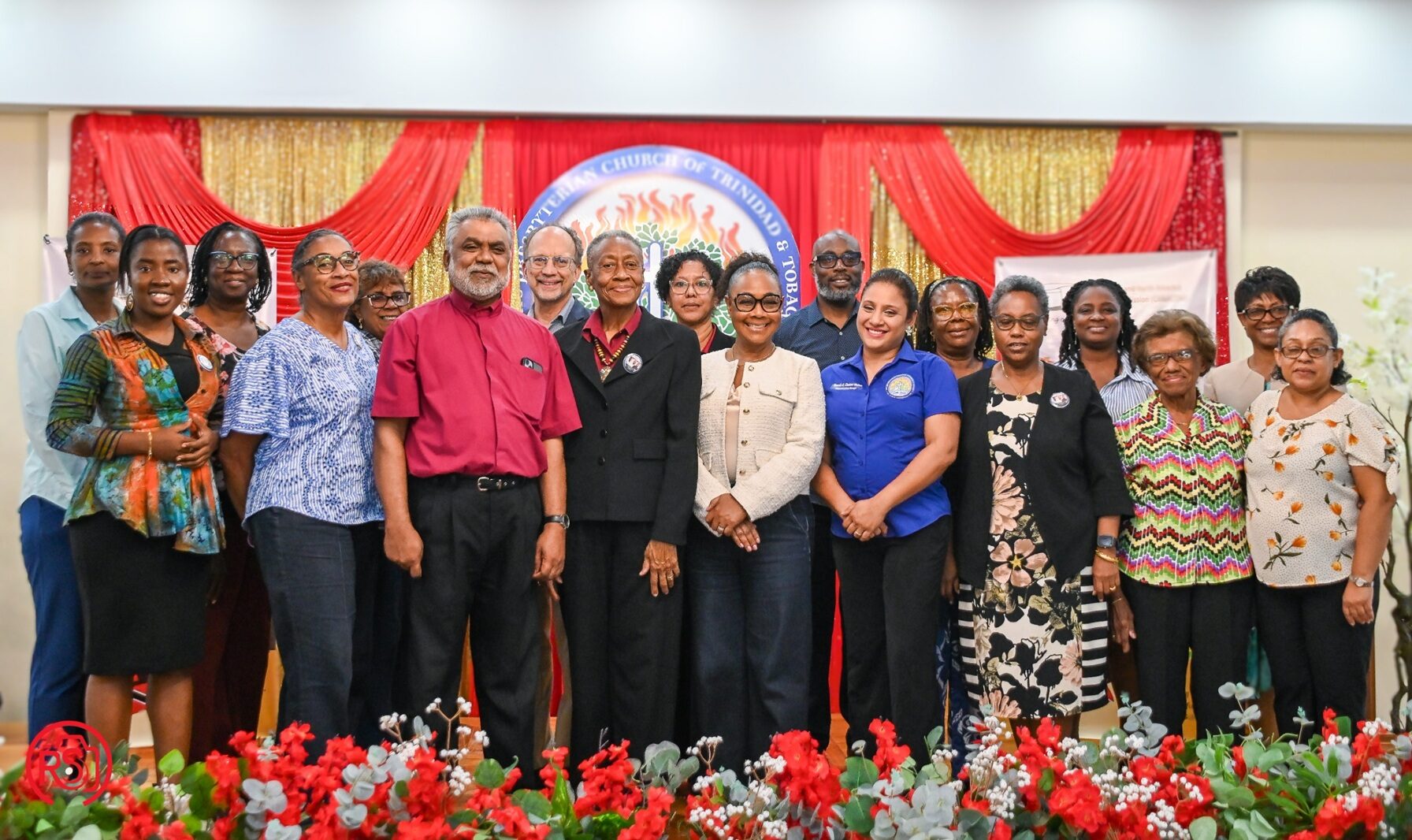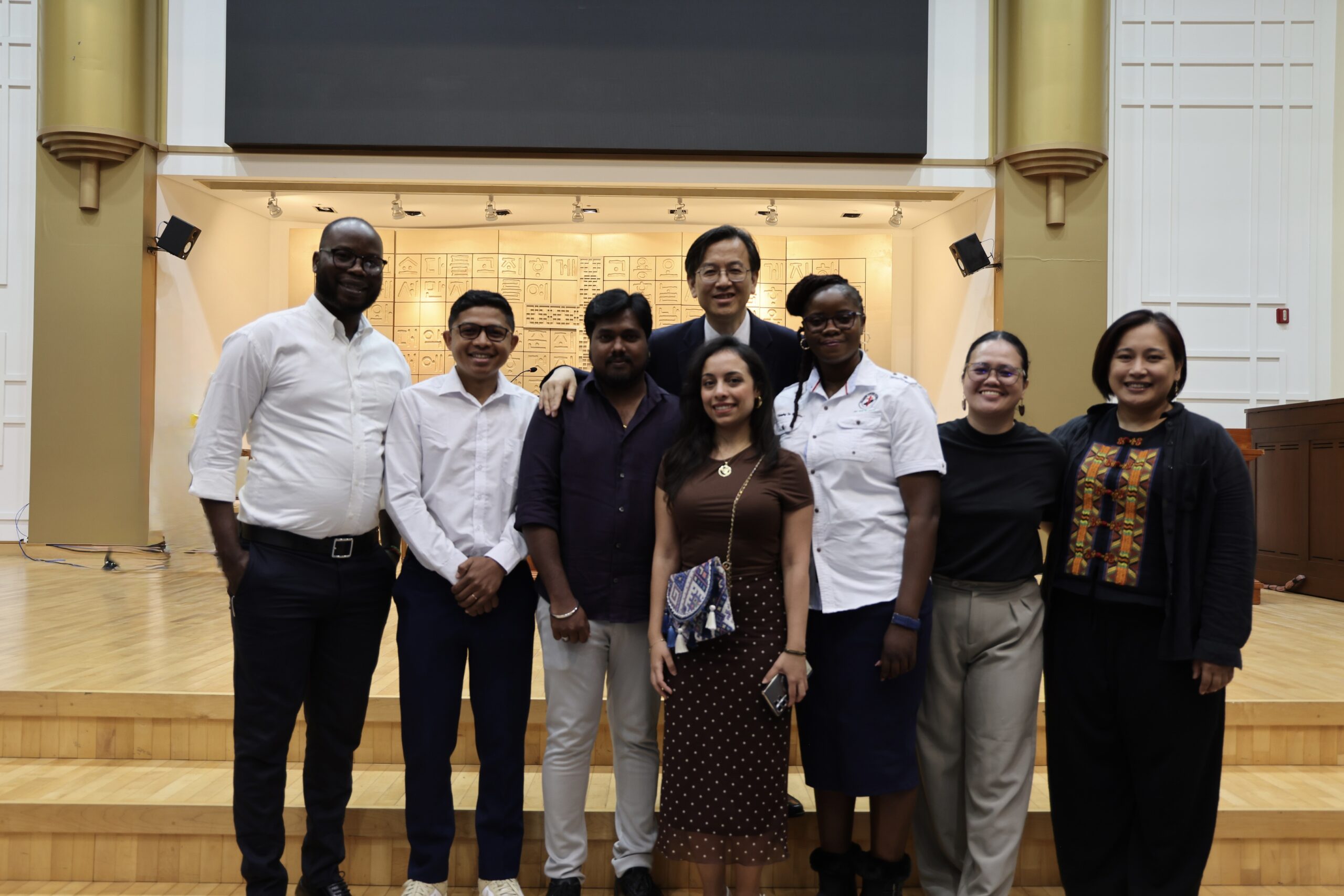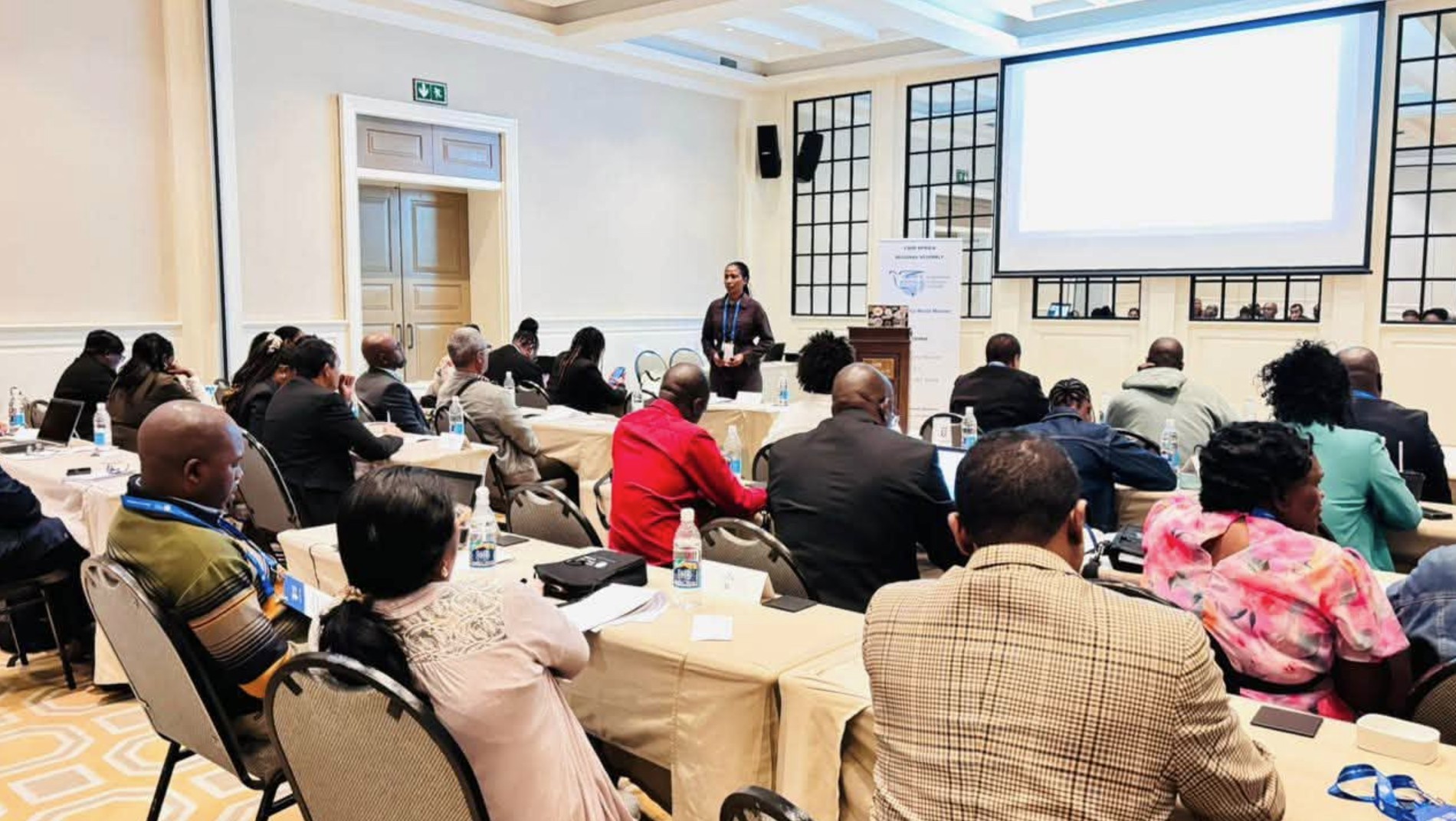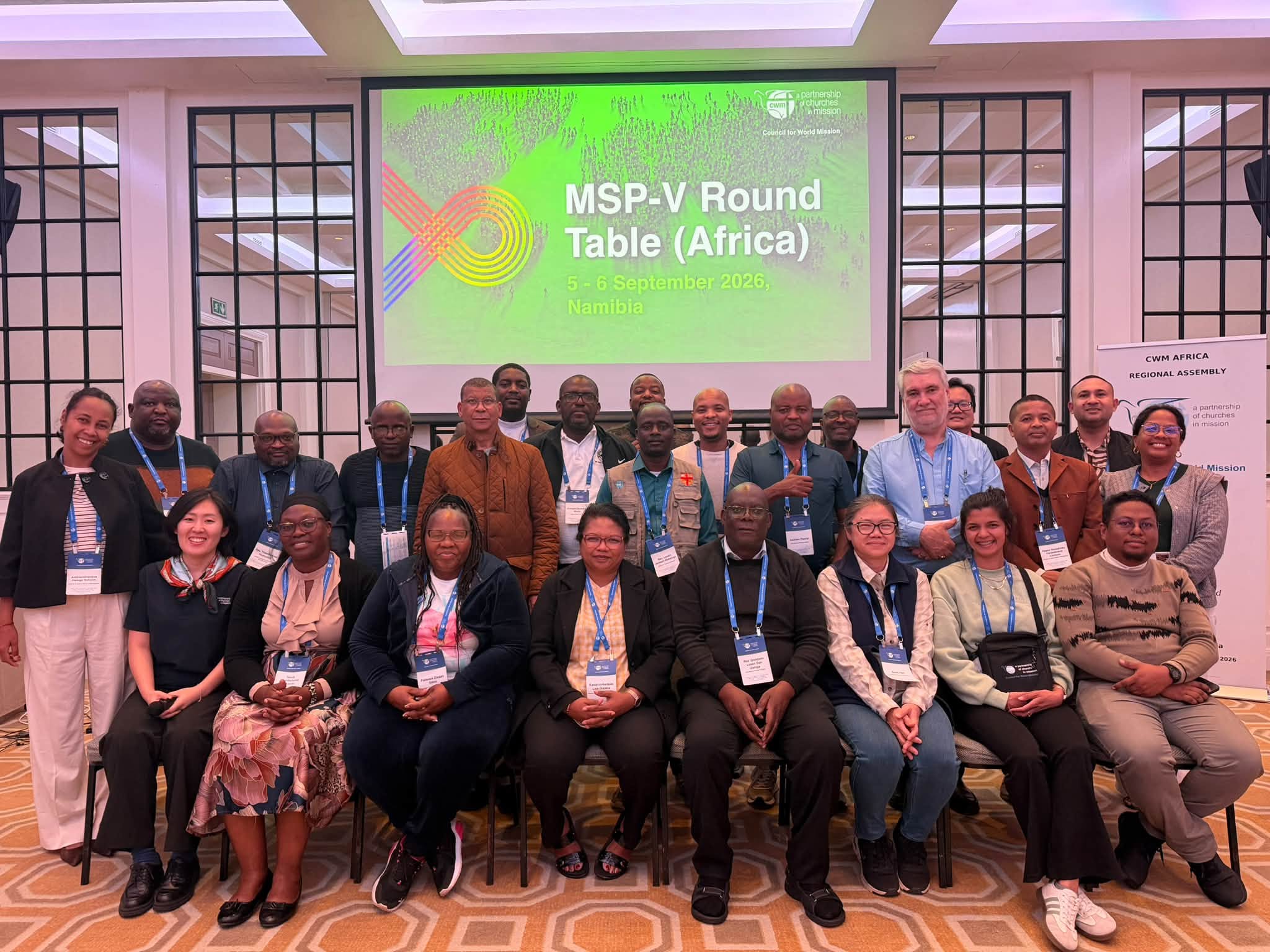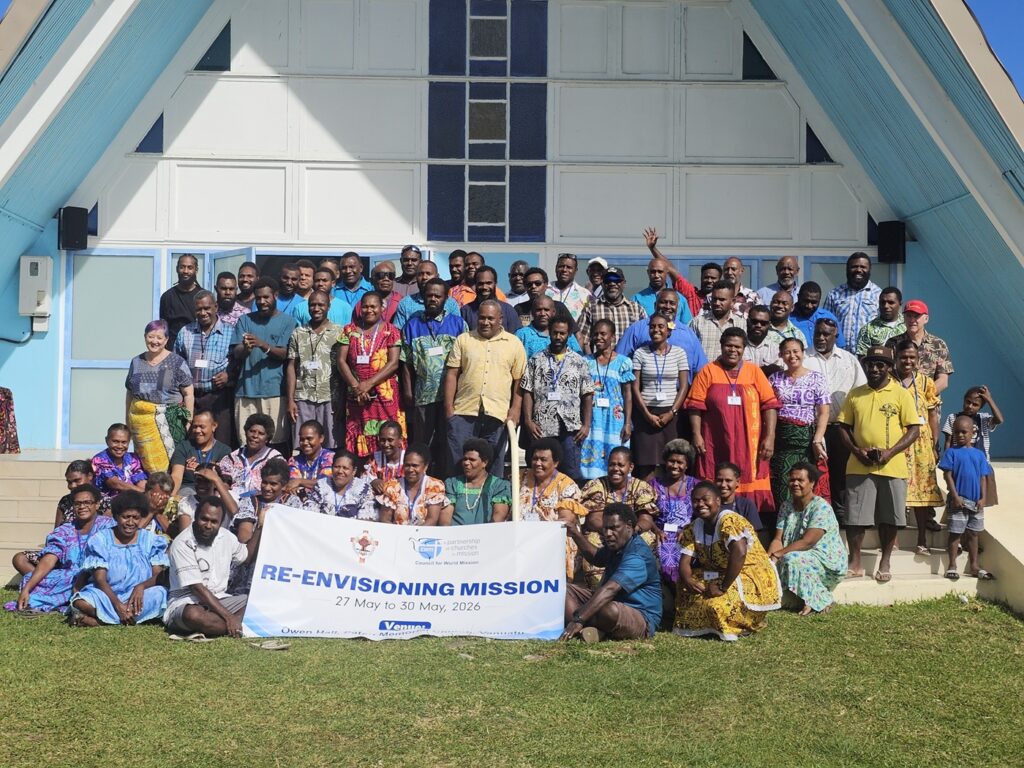
Church leaders, pastors, lay leaders, women, youth, and Sunday school teachers from the Presbyterian Church of Vanuatu (PCV) gathered in Port Vila from 27 to 30 May for a joint mission consultation with the Council for World Mission (CWM).
PCV was one of four new member churches welcomed into the CWM global partnership in 2025.
The four-day consultation explored the future of mission in Vanuatu and reaffirmed a shared conviction that Christian mission begins with God rather than the church alone. Participants reflected on mission as both a spiritual calling and a practical expression of faith, embodied through proclamation, discipleship, pastoral care, justice, reconciliation, and creation care.
Practical expressions of faith
Drawing on Luke 4:14–21, participants reflected on what it means to proclaim good news in contemporary contexts. Discussions centred on questions such as: What is good news for the poor? What does freedom look like for those who are captive? What form should mission take today?
Throughout the consultation, participants affirmed that the gospel must be expressed through compassionate service, healing, teaching, justice, and care for creation.
The gathering also reviewed wider developments in mission thinking and identified five practical expressions of mission for the church:
- Talem – sharing the good news of Jesus Christ.
- Lanem-MEKEM – helping people grow in the way of Jesus Christ.
- KEA – caring for people with the love of Jesus Christ.
- Jenjem – challenging unjust systems and offering life-giving alternatives.
- Tresa – caring for God’s creation and the resources of land and sea.
Participants also highlighted the importance of pastoral presence, prayer, visitation, and accompaniment, particularly among people experiencing hardship. They reiterated the church’s responsibility to support vulnerable groups and demonstrate the gospel through both words and actions.
Challenges ahead
The consultation identified several challenges currently facing PCV, including shortages of trained church leaders and ministry resources, a declining understanding of mission in some areas, land disputes, family pressures, domestic violence, and social injustice.
Participants also raised concerns about youth unemployment, substance abuse, peer pressure, and the need for stronger connections between ministries serving young people. Children’s ministry leaders highlighted challenges such as declining attendance, limited parental support, inadequate facilities, and weak coordination.
Communication and transportation barriers were also identified as obstacles to effective ministry.
Charting missiological priorities
In response, participants outlined several key priorities for the church.
These include strengthening mission education, investing in leadership development and teacher training, supporting children and young people, addressing justice issues, improving communication and pastoral care systems, and preserving language, culture, and identity while strengthening Christian witness.
The consultation also called on the church to adopt a more prophetic and transformational role in society, including addressing issues arising from the impact of seasonal worker programmes.
The consultation concluded with a commitment to continue reviewing and updating its findings as a living mission document to guide PCV’s witness and service in the years ahead.