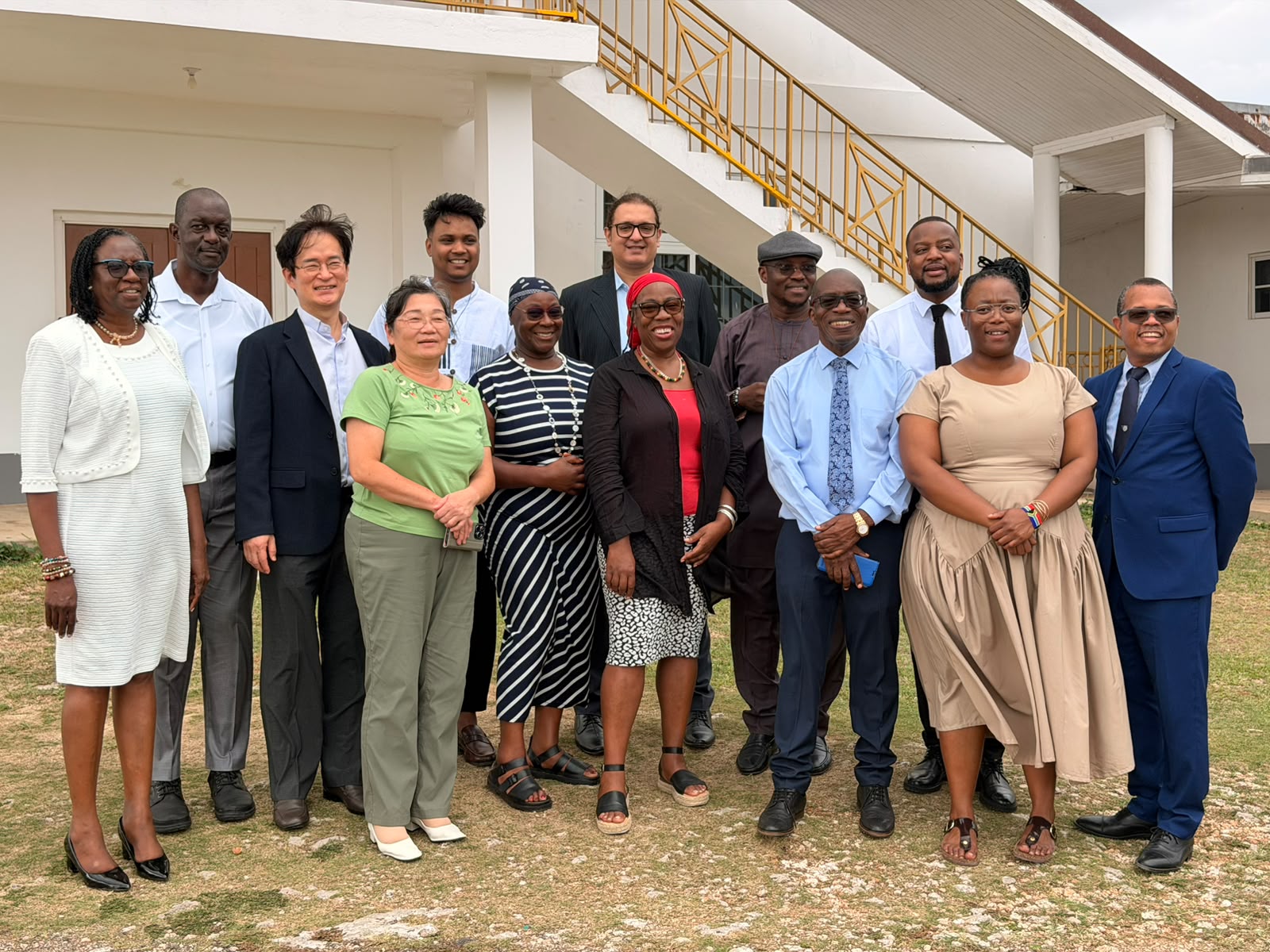
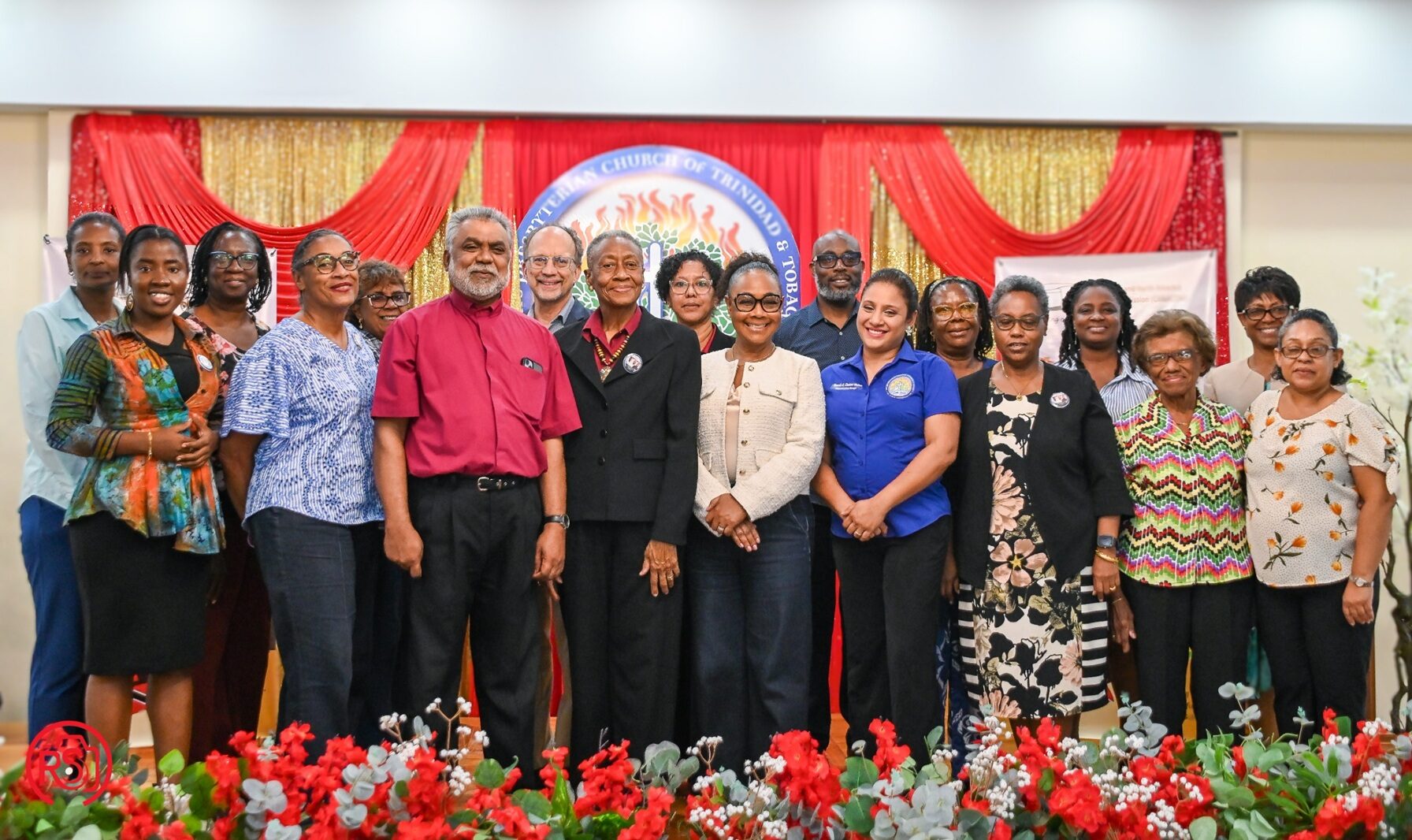
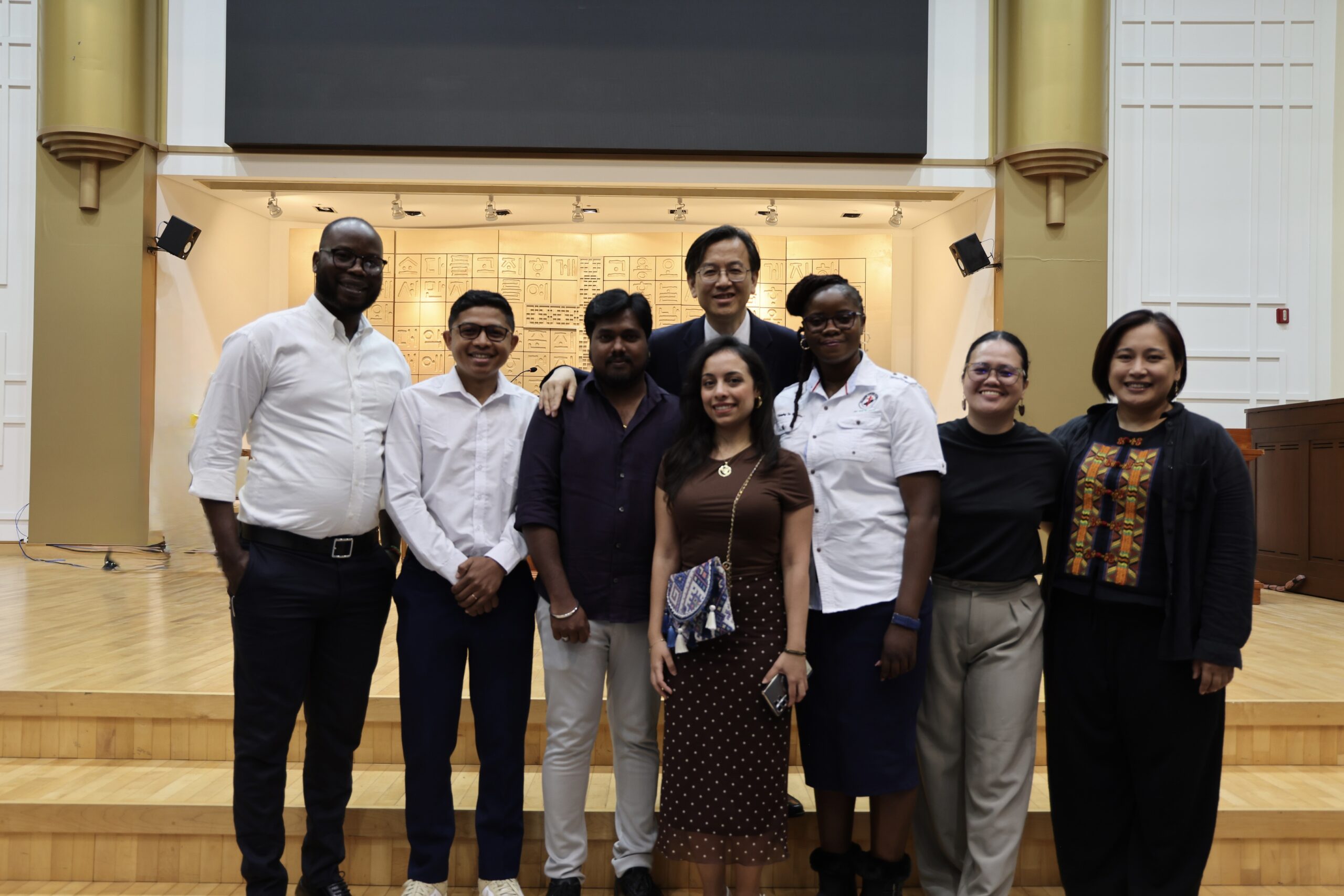
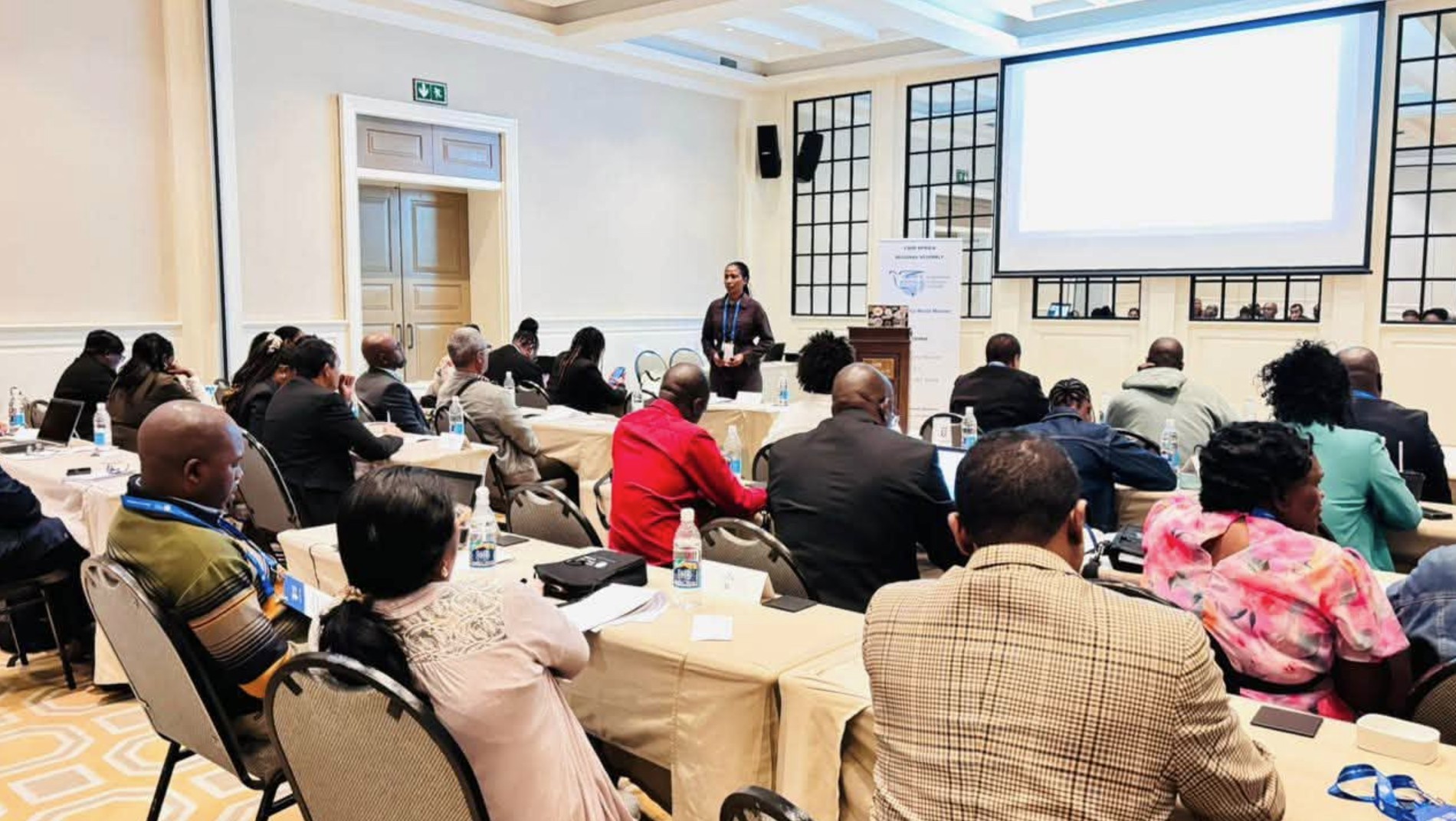
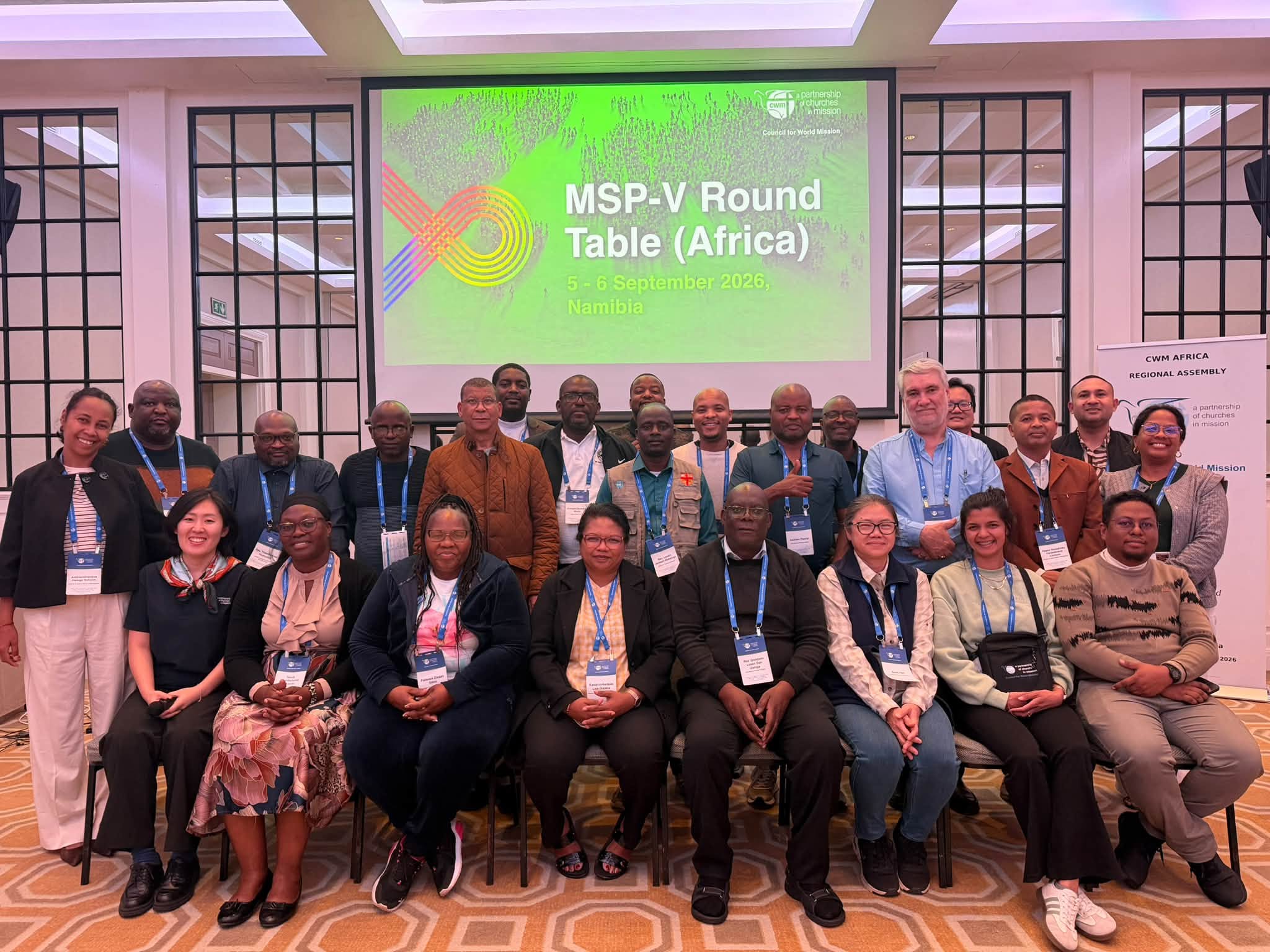
In a concrete step towards eradicating gender-based violence, the Council for World Mission (CWM) organised a two-day programme, “Global Consultation on Transformative Masculinities Against Gender-based Violence,” from 8-10 December in Johannesburg, South Africa.
The consultation was a culmination of “16 Days of Activism: Transformative Masculinity Interventions to promote Positive Masculinity,” a campaign observed from 25 November to 10 December. It began on the International Day for the Elimination of Violence against Women and ended on Human Rights Day, aiming to raise awareness and mobilize action to end all forms of gender-based violence against women and girls.
During the consultation, 27 participants—researchers and scholars, ecumenical partners, and subject matter experts—shared their lived experiences while engaging in a critical examination on how masculinities across contexts have perpetuated or prevented gender-based violence.
The event also laid the groundwork for the creation of actionable frameworks, and the drafting of a collective statement outlining how the global church and faith communities can come together to effect transformative, accountable, and nonviolent changes at community and national levels.
“Despite decades of advocacy, gender-based violence remains one of the most pervasive human rights violations… [while] progress has been made through national legislation, grassroots mobilisation, and international frameworks, the pace of change is far too slow,” observed Janet McConnell, CWM mission secretary for social justice.
Gender-based violence remains one of the most pervasive human rights violations in the world today. According to a report released by the World Health Organisation in 2021, gender-based violence adversely impacts the lives of nearly one in three women worldwide. A woman or female child is killed by someone in her own family every 11 minutes – a figure released by the United Nations just last year.
Identifying courage, collaboration, and creativity as qualities required for the road ahead, McConnell reminded the CWM church community and its partners of their callings to contribute to a movement that goes beyond incremental change, towards a world where safety, dignity, and equality are not mere aspirations but realities.
Community-driven effort
By the end of the consultation, participants arrived at a collective list of several key opportunities to tackle and eradicate gender-based violence in their various contexts, most notably through public advocacy, enforcing internal policies that promote gender justice, co-creation of safe spaces and survivor services between churches and specialist service providers, and the developing of initiatives that both document lived experiences and inform theology and practice, amidst other strategies.
Many of the ideas stemmed from the grassroots of the churches.
Prabu Deepan, a regional director of Tearfund, an international Christian charity tackling poverty and injustice, and participant at the consultation, posited that for transformative masculinities to be effective through faith-based initiatives, pastors and community leaders must first experience a personal journey of transformative masculinities themselves.
“[This] prepares them to be champions for the safety and protection of women and girls. As champions, they in turn recruit other champions,” said Deepan, who also revealed that this approach has caused a reduction in intimate partner violence from 68% to 24% in the Democratic Republic of the Congo in Africa.
A statement of commitment was also drafted that pledged and affirmed the participants’ stand against gender-based violence via theological reforms, advocacy, strengthening communication efforts, and the positive nurturing of boys and men as protectors and advocates of girls and women.