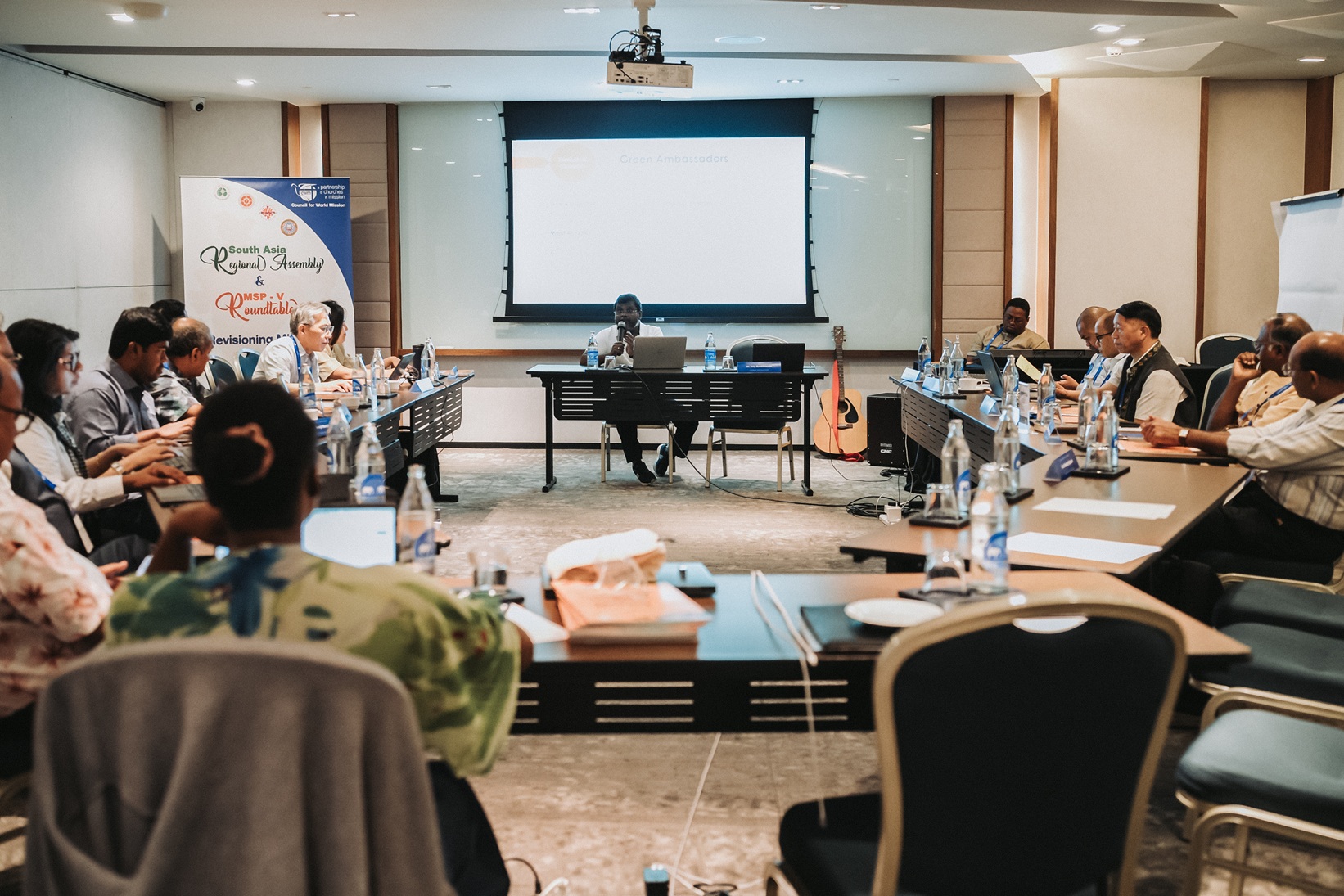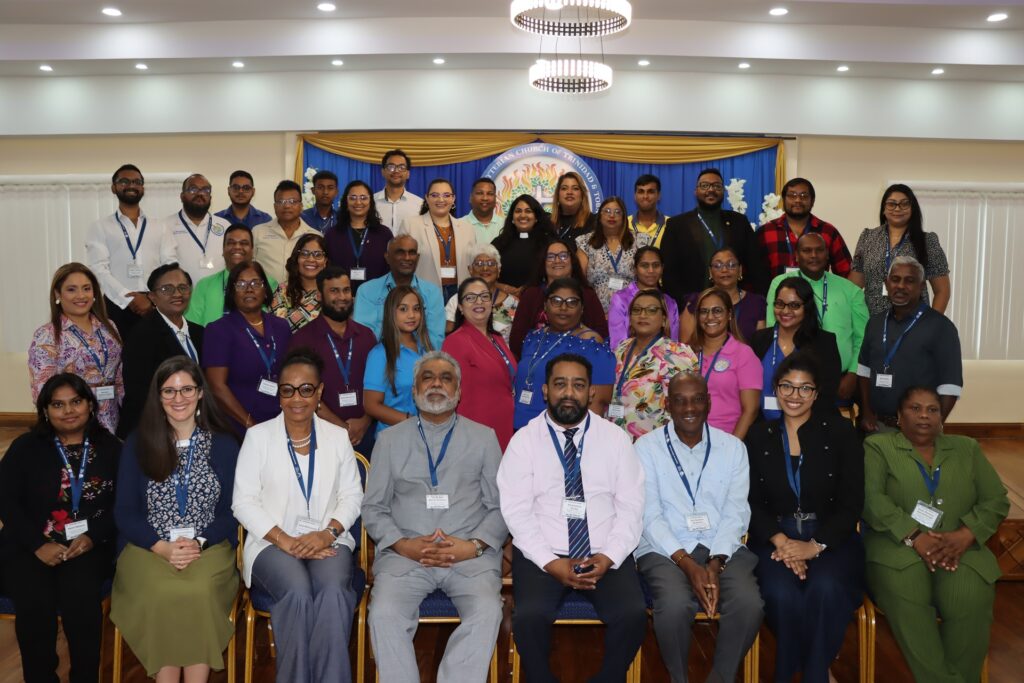
The Council for World Mission (CWM) and the Presbyterian Church of Trinidad and Tobago (PCTT) convened a Revisioning Mission consultation from 10-14 August to strengthen the church’s missional priorities and engage critically with CWM’s missiological mandate and values.
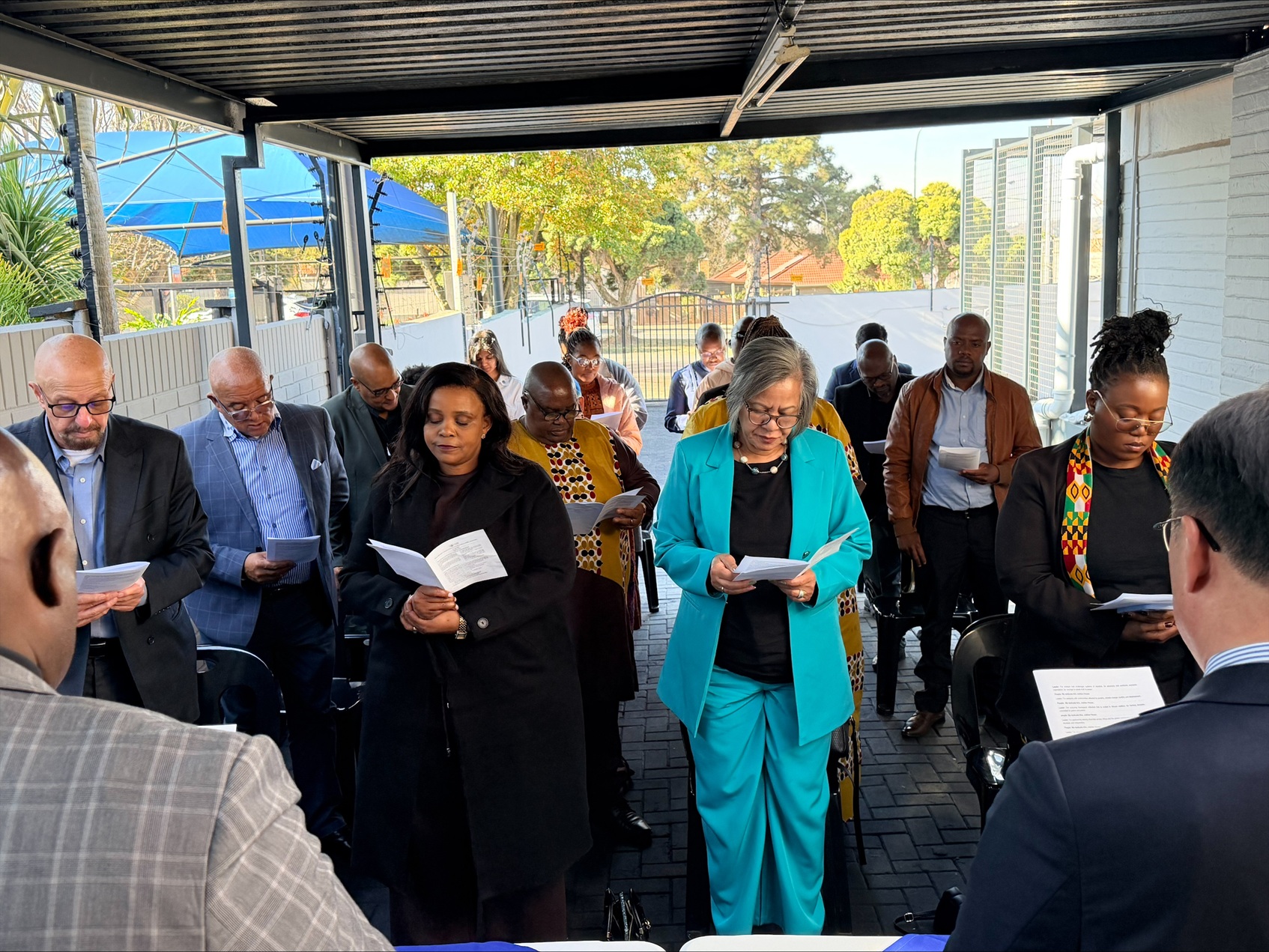
Held at the PCTT Synod Auditorium in San Fernando, Trinidad and Tobago, the consultation brought together 41 participants for prayer, theological reflection, and discernment.
Participants were challenged to address power imbalances, confront exclusion, and critically examine the church’s own practices. They also reflected on organisational capacity, governance, leadership, resources, and congregational culture.
“Every CWM member church, by our shared partnership and vision, is called to be missional. This missional call demands the church to consistently embody righteous anger at every form of injustice,” said CWM Mission Secretary for Social Justice and the Caribbean Region Janet McConnell.
“Righteous anger will birth courage, action, and hope. This is the call that beckons the PCTT.”
Mission as an enabling force
Keynote speaker and Bible study leader Rev. Alice Fabian-Williams of the United Congregational Church of Southern Africa (UCCSA) described PCTT’s membership in CWM’s global partnership as a relationship rooted in mutuality, solidarity, and a shared calling to mission.
Through her Bible studies, Fabian-Williams encouraged participants to transform righteous anger at exploitation and exclusion into compassionate action that brings concrete change.
Mission, she emphasised, should move beyond speaking for communities towards enabling their voice, agency, and participation.
Former General Secretary of the United Church in Jamaica and the Cayman Islands (UCJCI) Rev. Norbert Stephens also reflected on Christian mission, partnership, and UCJCI’s journey within CWM.
A church called into mission
The consultation helped crystallise PCTT’s emerging mission priorities, which will inform the church’s Mission Development Plan and Capacity Development Plan.
The priorities identified included ecological justice, mental health, care for older people, engagement with migrant and refugee communities, and greater youth inclusion through safe spaces, meaningful representation, mentoring, leadership pathways, and appropriate technology.
“One of the most significant things that I have learned from this Revisioning Mission consultation has been recognising the deep social realities that continue to plague our society,” reflected student minister Brandon Paul.
“We are not called merely to discuss visions. We are called into mission.”
The five-day consultation concluded with presentations and feedback on PCTT’s Mission Development Plan and Capacity Development Plan, informed by readings of global, regional, and local contexts.
The presentations reflected a transformational and justice-oriented approach to mission, responding to the contextual signs of the times in Trinidad and Tobago.
PCTT participants also outlined plans to refine their mission priorities by strengthening governance structures and ensuring priorities are reflected in leadership, policies, budgets, accountability, and community engagement.
The consultation reaffirmed PCTT’s commitment to confront social realities with courage and to pursue forms of mission that uphold dignity, justice, inclusion, and life-flourishing communities.