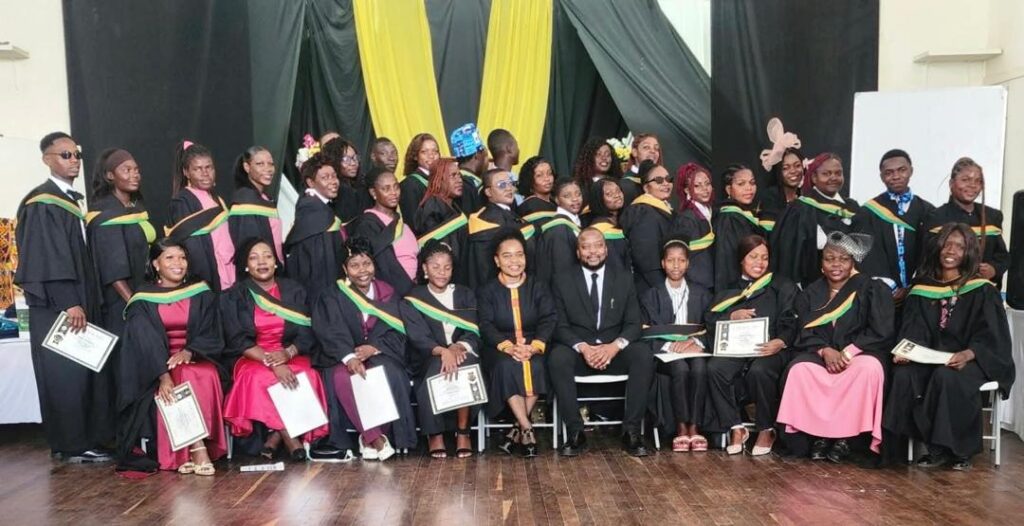
St Columba’s Presbyterian Church in Mutare, Zimbabwe, was filled with music, celebration, thanksgiving, and renewed hope from 7-9 August as the Called to Care Skills Training Programme celebrated graduation.
The occasion marked an important milestone for vulnerable young women and men who gained practical skills, confidence, and opportunities to rebuild with dignified livelihoods. It also affirmed the message at the heart of the programme: hope is alive.
Called to Care began in 2008 as a ministry supporting women rescued from prostitution. Initially offering three skills courses, the programme has since expanded its training and enrolment with support from the Council for World Mission’s (CWM) The Onesimus Project (TOP).
Between September and December 2025, during what the programme described as a “semester of expansion activities,” TOP support enabled Called to Care to enrol 45 at-risk and vulnerable students, including 20 rescued women. The programme has since expanded to include young men whose circumstances have left them vulnerable to exploitation.
Offering hope for a dignified life
Based at St Columba’s Presbyterian Church, the programme is led by former CWM Moderator Rt Rev. Lydia Neshangwe and Rev. Paul Neshangwe, together with the Called to Care Board, trainers, church members, and volunteers.
“Called to Care exists because we believe that no life is beyond hope. When a person is given love, dignity, skills, and support, they begin to see themselves differently,” Neshangwe said.
“Today, as we celebrate our graduates, we also celebrate the God who restores people and opens new doors.”
Neshangwe added that TOP support had enabled the ministry to welcome more students, introduce new courses, strengthen its training environment, and provide starter packs to help graduates turn their learning into sustainable livelihoods.
CWM TOP Coordinator Rev. Wellington Mthobisi Sibanda, who served as a guest of honour at the graduation, reflected on the programme’s deeper significance.
“When people are trained, restored, and given tools to rebuild their lives, we are reminded that every person carries the image of God,” Sibanda said.
“This ministry is not only about skills; it is about dignity, hope, and the restoration of God-given identity.”
The programme’s next phase will include continued training, mentoring, field trips, updated needs assessments, and leadership development. Mentoring will connect participants with people who can accompany them as they explore pathways towards entrepreneurship.
Through practical training and accompaniment, Called to Care continues to equip graduates not only to build sustainable livelihoods but also to become agents of hope within their families and communities.