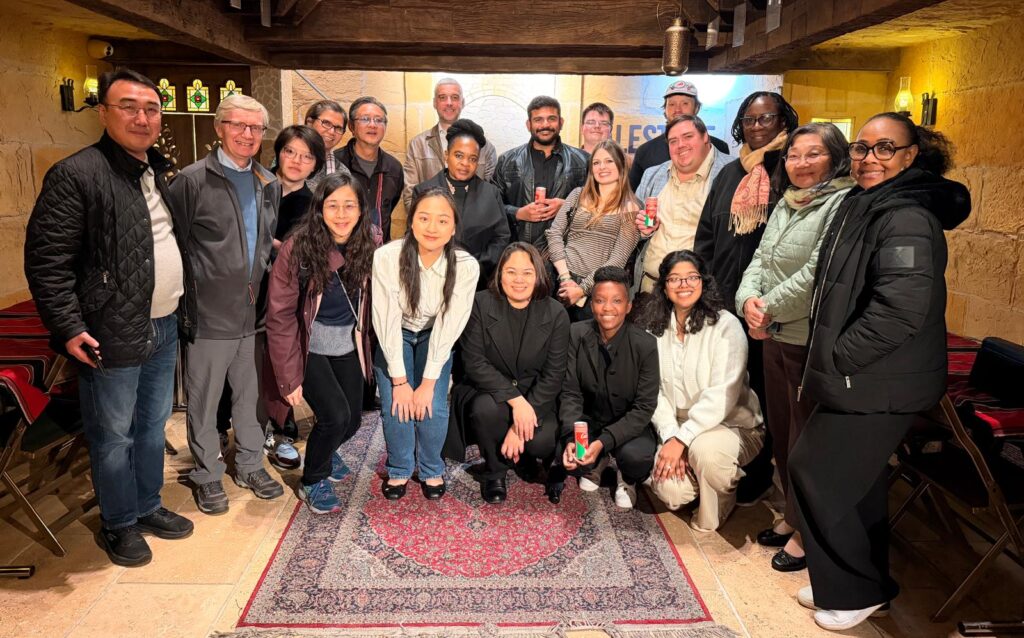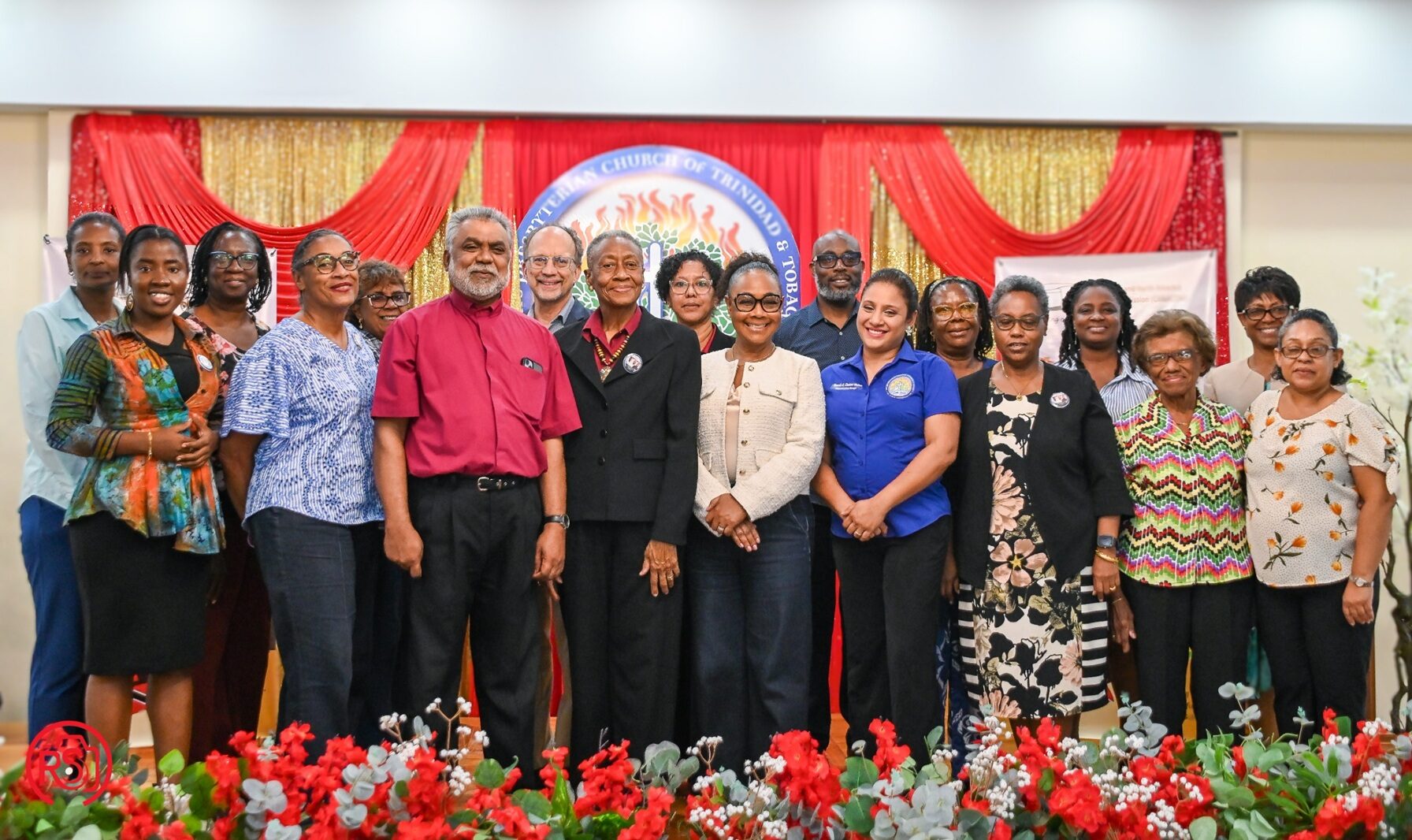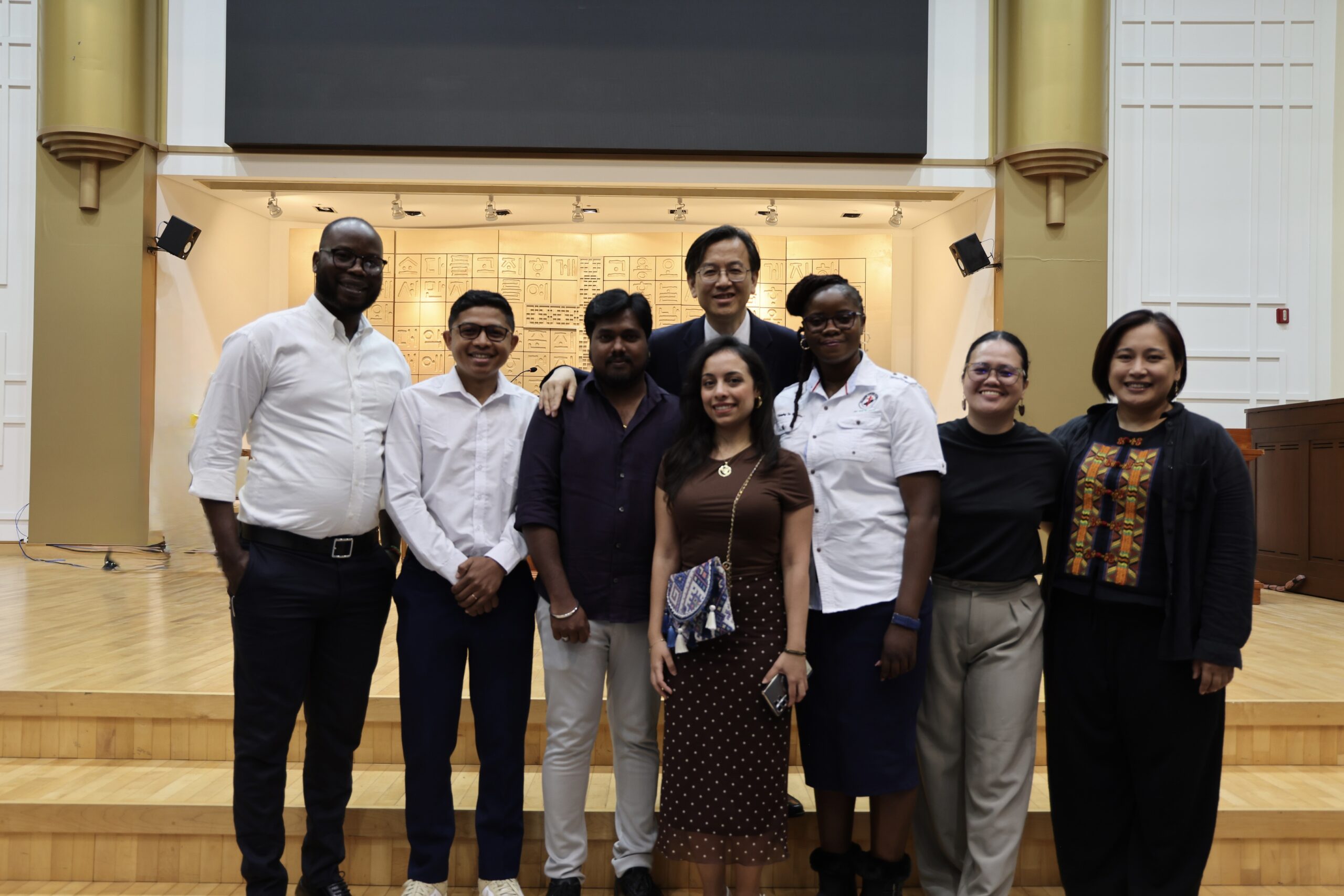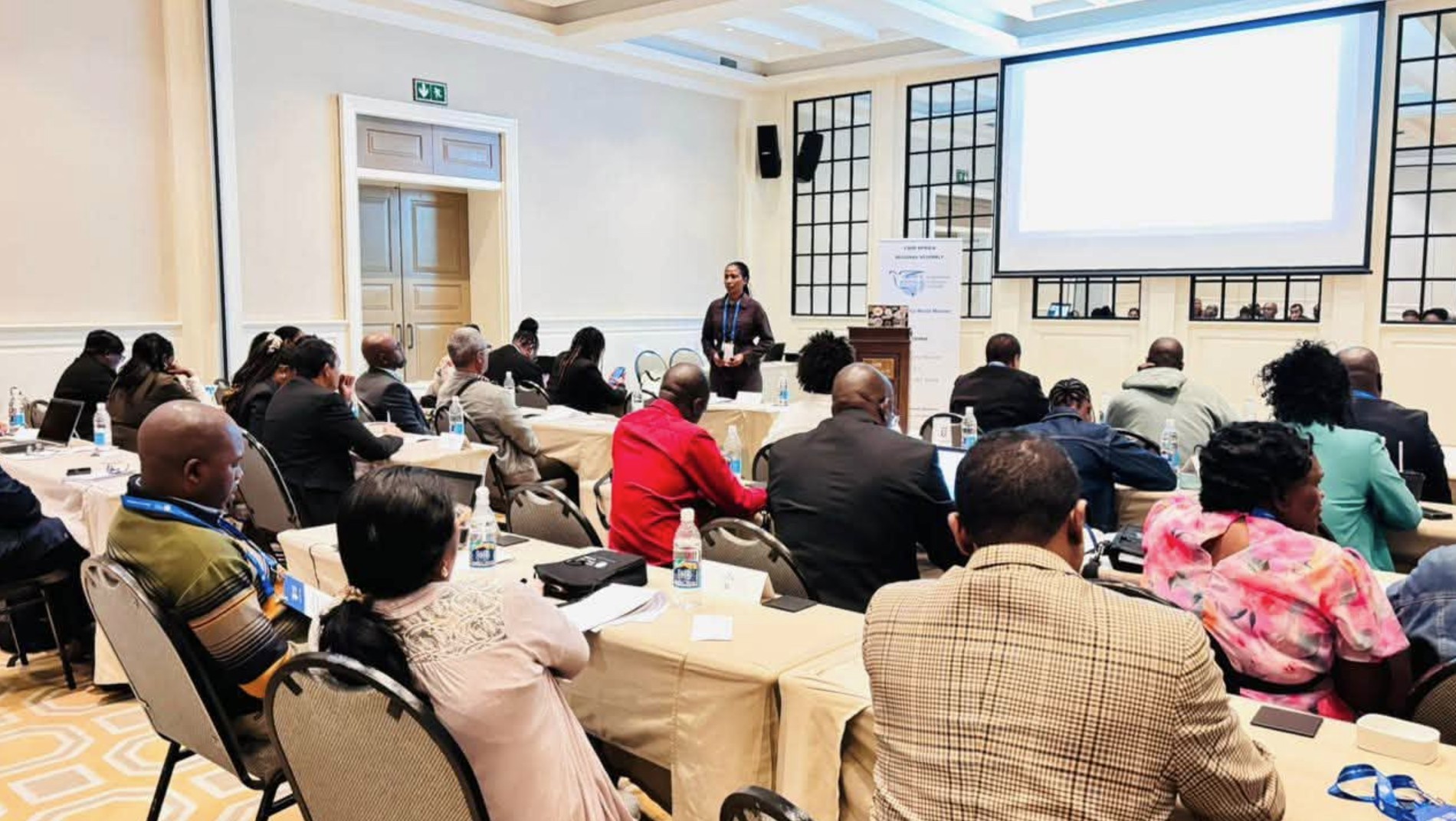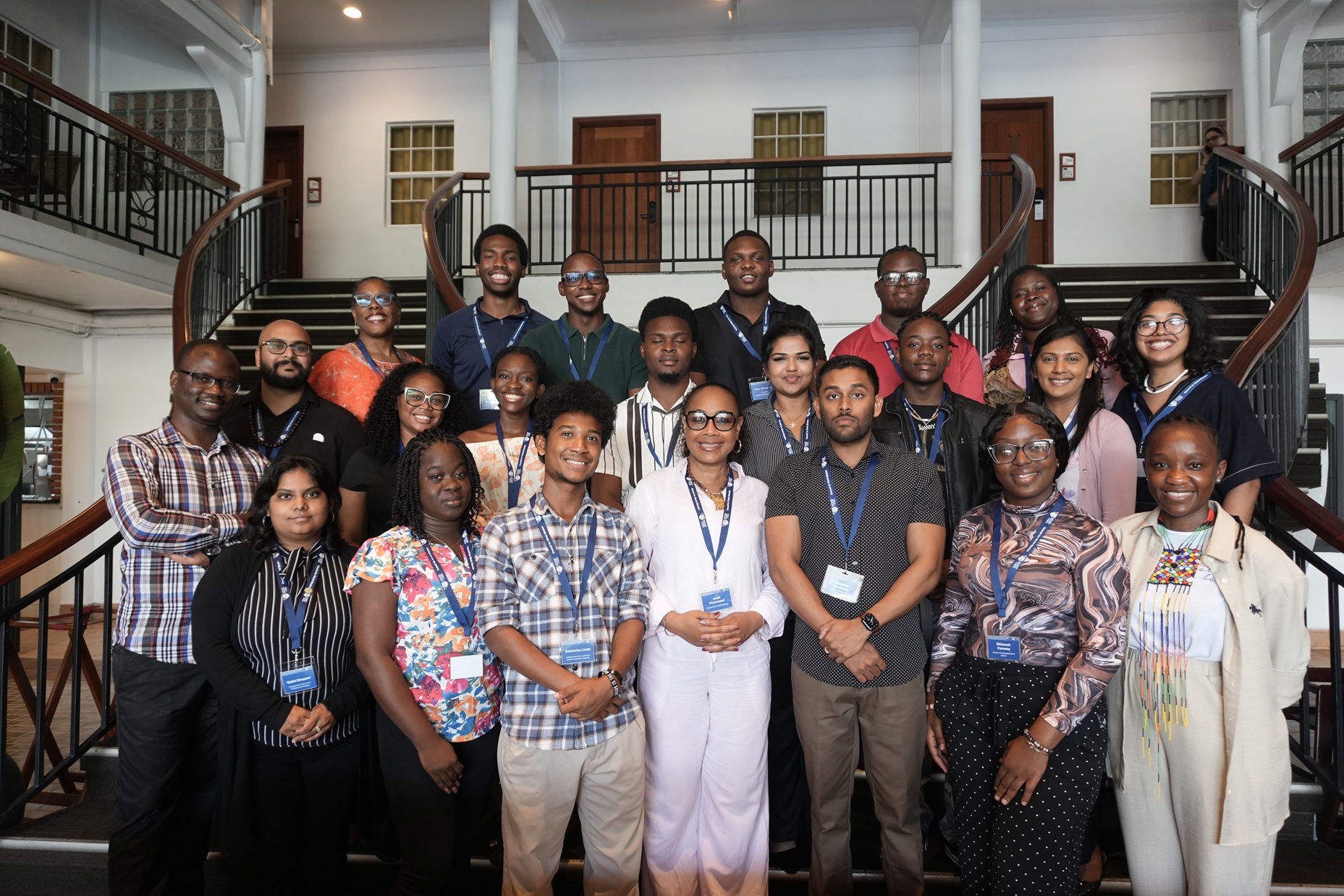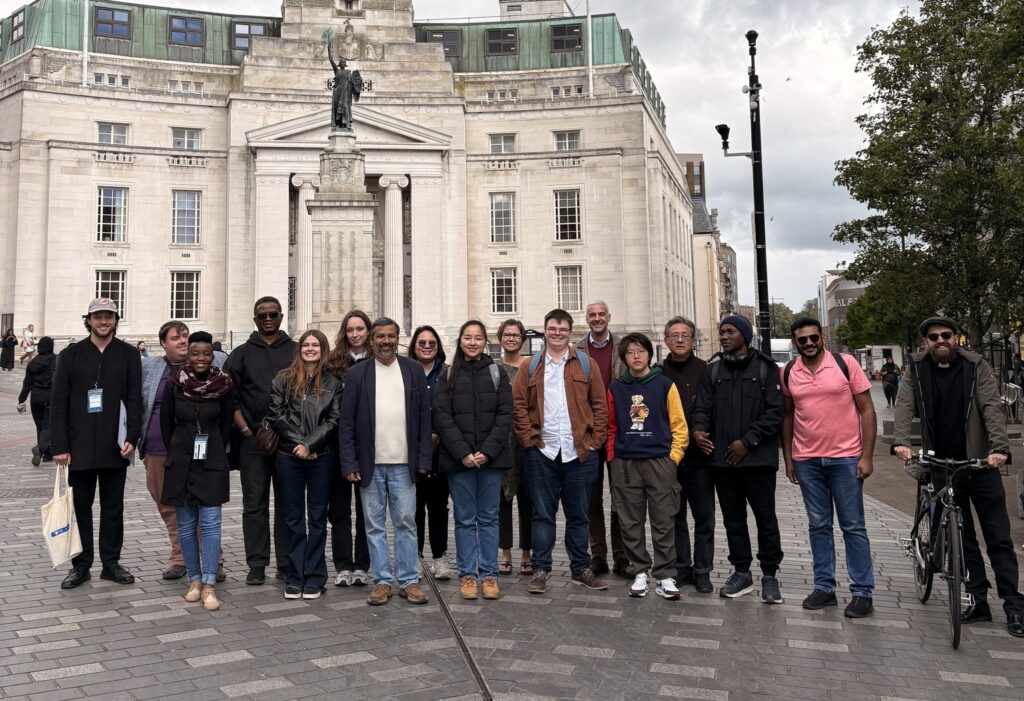
Seventeen participants representing member churches of the Council for World Mission (CWM) and ecumenical partners across Europe and Africa gathered in London from 11–15 May for the Youth and Migration workshop under the 2026 Europe Youth Initiative.
Organised by the CWM Discipleship, Spiritualities, and Dialogue programme team and held at the Royal Foundation of St Katharine, the workshop explored migration as a defining missional concern for the 21st century.
Drawing from the CWM Theological Statement and Strategic Framework, the programme examined how churches can respond faithfully to their missiological calling amidst rising injustices brought about by economic inequalities, climate displacements, and a growing xenophobic rhetoric.
CWM General Secretary Rev. Dr Jooseop Keum, described the workshop as a physical reflection of CWM’s faithful commitment to providing prophetic witness in the context of migration.
“The world is deeply wounded, and CWM’s mission extends beyond boundaries of the church,” Keum said.
One of the workshop’s key resource persons was Dr Gemma Tulud Cruz, a theologian of Filipino-Australian descent and faculty member at the Australian Catholic University. Cruz was also a former participant of CWM’s Discernment and Radical Engagement (DARE) programme.
In her sessions, Cruz reflected on the economic, political, and emotional realities migrants face, while encouraging participants to move beyond hostility and embrace solidarity and hospitality.
“Migration is a way of life,” Cruz said. “And even if we are not a migrant ourselves, we are all connected to migration—through family, friends, or the person who served me my coffee.”
She also explored the spirituality of migration, adding that migration was a journey marked by discernment, struggle, hope, and resurrection. Community and relationships, she noted, must remain as the hallmarks of Christian spirituality.
Another major component of the workshop was a session titled “Mission on the Move: Rethinking migration through Acts 11” led by Dr Harvey Kwiyani and Joseph Ola of the CMS Acts 11 Project.
Reflecting on Acts 11:19–26, they highlighted how the spread of Christianity has historically been shaped by migration and continues today through migrant Christian communities in cities such as London and Paris.
Kwiyani, author of Decolonizing Mission, published last year, challenged participants to rethink mission beyond colonial and white supremacist frameworks. Meanwhile, Ola reflected on questions of identity and belonging faced by contemporary migrants.
“If I leave the place where I was born, if I leave the place where I lived, who am I?” Ola asked.
Participants also travelled to Luton, one of the United Kingdom’s most economically deprived and culturally diverse towns, for an exposure visit focused on community engagement and refugee ministry.
They were welcomed by leaders from GRASSROOTS, an ecumenical Christian community engagement charity established in 1991, The Feast Youth Project, and St Andrew’s Church. Participants visited the grounds of Hope Church, where they learned about local refugee support initiatives, including the Global Café project.
Participants also visited the Sikh Temple Guru Ravidass Sangat, where they explored the worship spaces and learned more about the Sikh community.
Reflecting on Christian ministry as the sowing of seeds, David Jonathan, director of GRASSROOTS, said, “Even if we do not see the fruits of our labour immediately, others may reap the benefits in the future.”