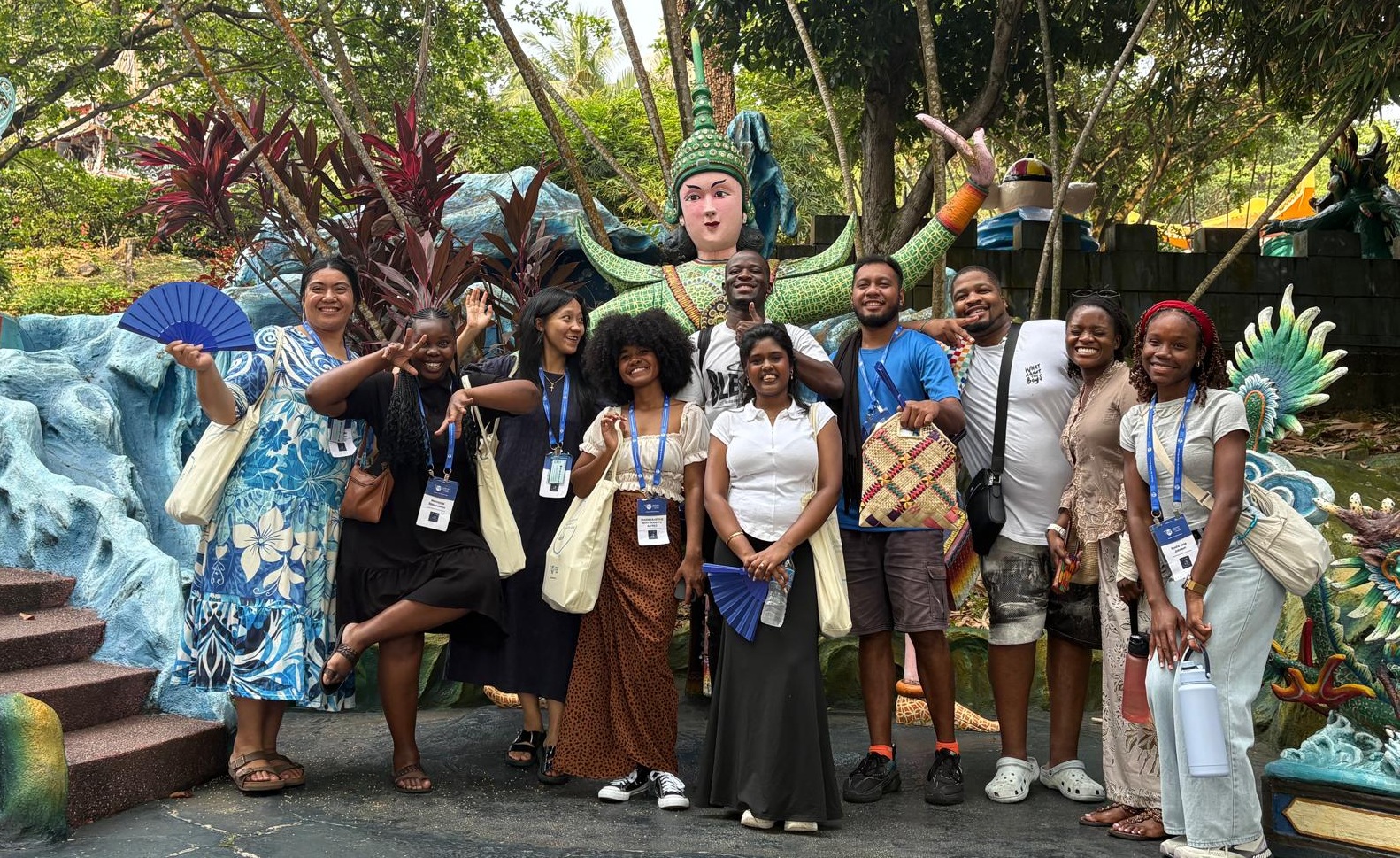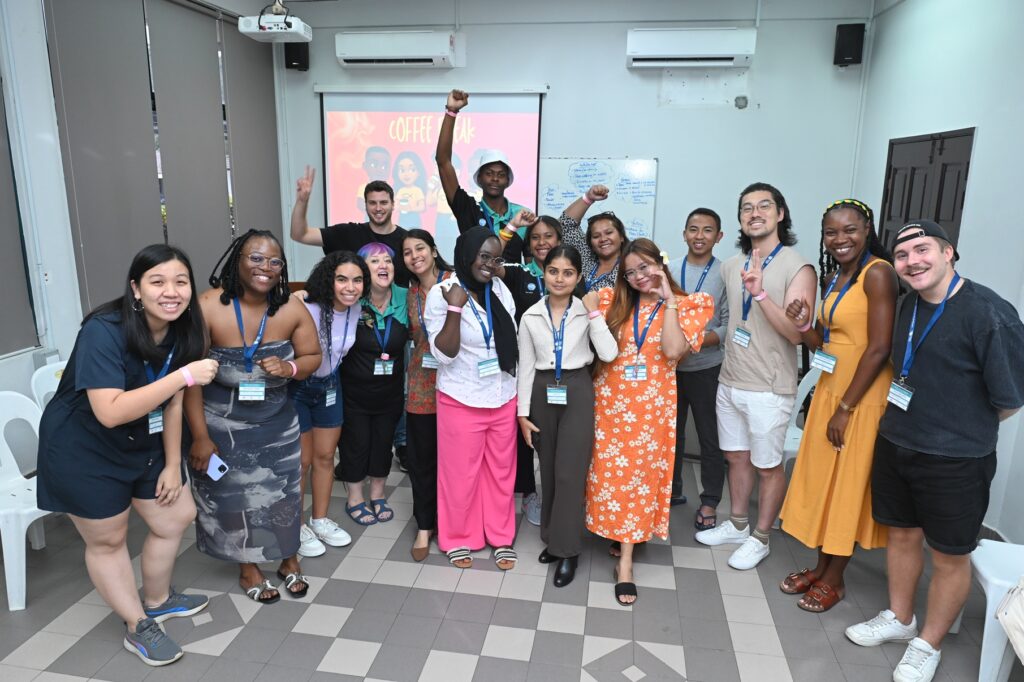
The second day of the Youth and Evangelism conference jointly organised by the Council for World Mission (CWM) and the World Council of Churches (WCC) opened with a morning worship session based on Isaiah 61:1-4 where the idea of mission is seen through the eyes of Isaiah, who described the year of the Lord’s favour.
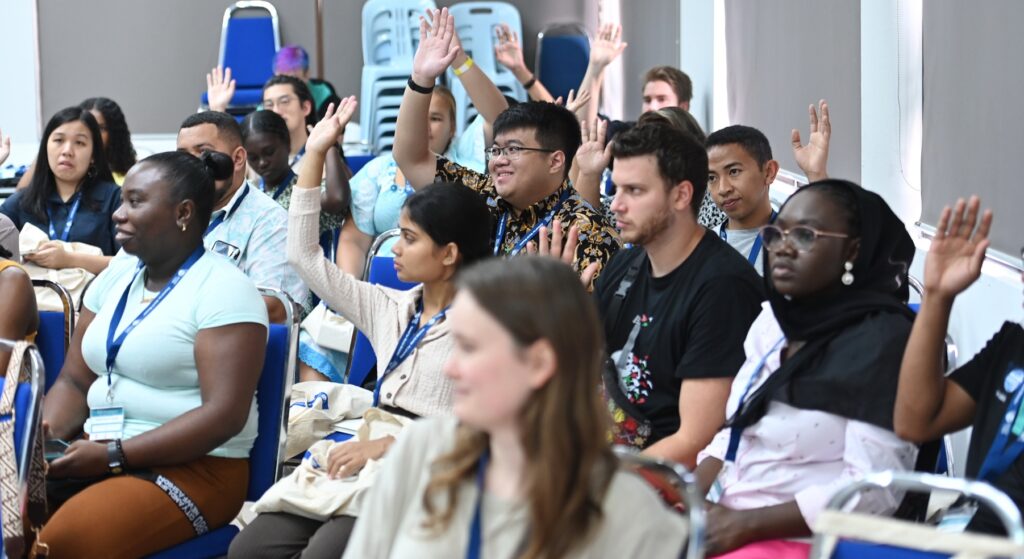
Youth participants divided into small discussion groups to talk about how Christian mission has a history of complicity with oppression and colonialism, leading to societal division and environmental destruction.
By reading the biblical text through different cultural contexts, the youth were also encouraged to share their vision of mission, and how their local churches have been meeting the needs of communities.
Revisioning mission workshops
The bulk of the second day’s programme centred around workshops on “Revisioning Mission” led by the Training in Mission team.
The workshops contained three sessions designed to shift mindsets on mission and evangelism, employ creativity and action to experience mission, and see mission as something ingrained in each believer.
CWM Mission Secretary for Education, Formation, and Empowerment, Rev. Dr Amelia Koh-Butler, who led one of the workshops, described the sessions as ones that involved the participants in asking broader questions that stretched their understandings in rethinking mission.
She also added that fear can be countered with communal fun and collective encouragement in prayer and kindness.
“Creativity and caution, positivity and facts, ideas and inspiration, tweaking details and listening to God’s direction need to be embedded in our practices,” stressed Koh-Butler.
Six thinking hats
Using Matthew 14:22-33 as a backdrop for the discussions, participants also employed the use of the model of six thinking hats to critically examine the Matthew’s biblical account of the disciples’ encounter of Jesus walking on water.
The model, pioneered by Maltese physician, Dr Edward de Bono, is a popular tool for problem solving, decision-making, and creative thinking.
Through group-based reflections and dialogue, participants were introduced to the various hats that embodied a different style of thinking from fact-based to emotionally driven ones.
The exercise served to educate participants on rethinking and planning for missions holistically and to consider various fronts and contexts before the drawing up of missional goals and embarking on missiological planning.
Visio divina
The second part of the workshop entailed the exploration of “visio divina” (divine seeing). A Christian spiritual practice that used images, art, and other visual mediums as a gateway to prayer, the session taught the powerful ways in which images elicit feelings and how the “visio divina” can be used in calls for prayerful reflections and responses.
In two larger groups, participants depicted a silent scene of violence and how, simply by changing the characters’ positions, the entire context showed movements of peace and love.
A balloon game
The third section of the workshop entailed participants grouped in pairs to transport a balloon in three different stages, the first being deflated, the second while inflated, and the third without the use of hands and feet.
Accompanied with the exploration of Mark 2:1-12 that described how a paralysed man was lowered into a house through the roof to get past the crowds gathered to see Jesus, the exercise served to illustrate how mission often requires collaboration and finding creative, nonviolent solutions to proclaim the gospel.
Participants shared how they felt in trying to get the balloon (symbolising missional work) from point to point while accounting for its fragility and extrapolating it to methodologies they should employ in missions within their own local contexts.