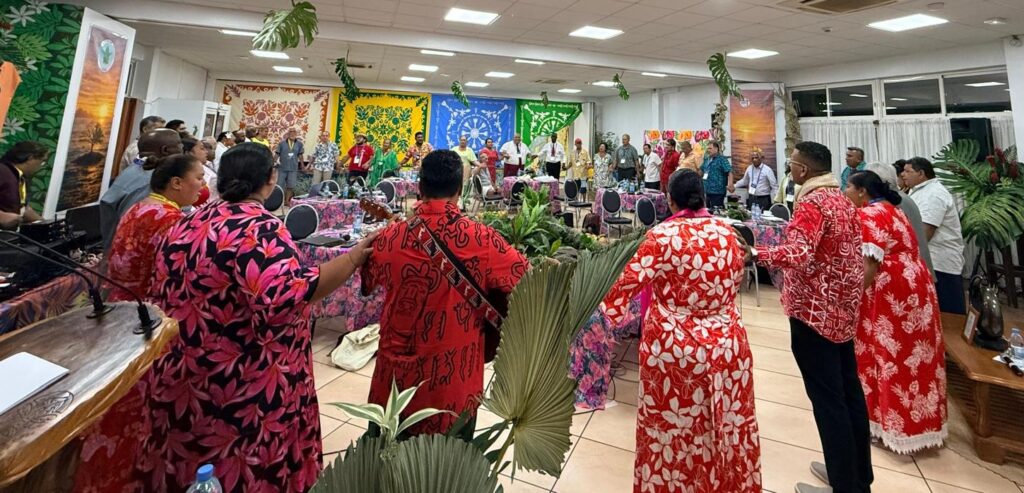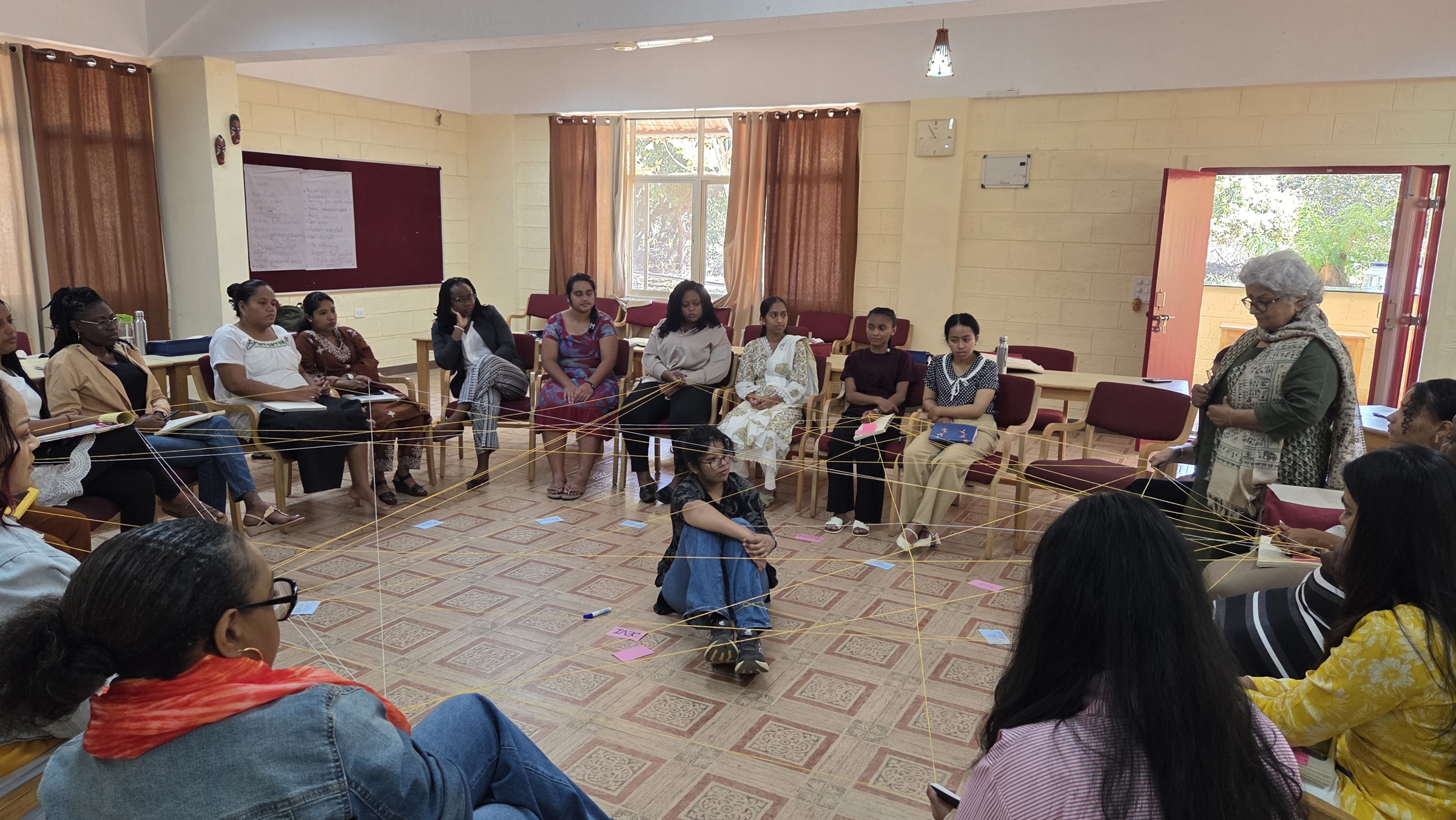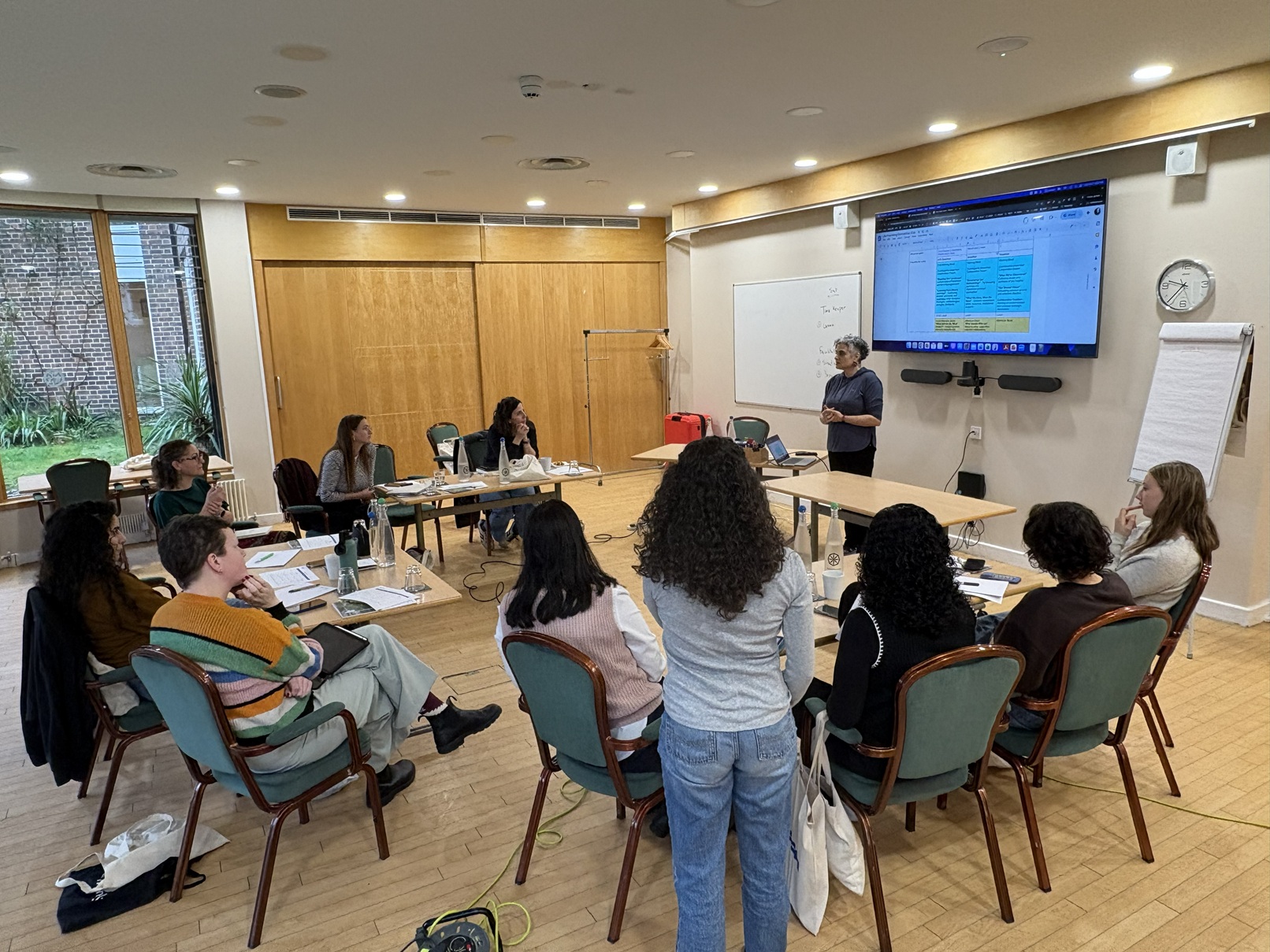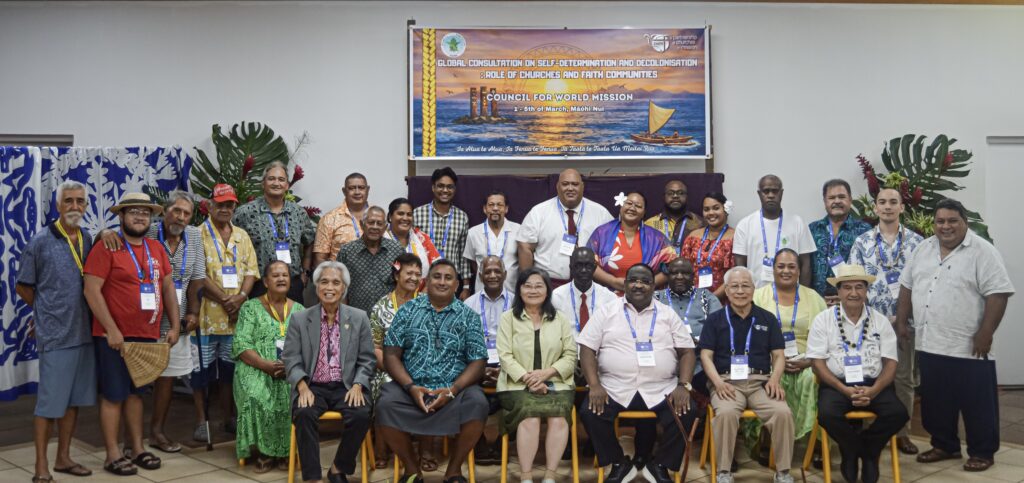
The Council for World Mission (CWM), in partnership with the Ma’ohi Protestant Church (EPM), convened a Global Consultation on Self-Determination and Decolonisation from 1-5 March in Papeete, Tahiti, Ma’ohi Nui (French Polynesia).
The five-day gathering brought together 30 participants, including church leaders, theologians, community advocates, and representatives from churches and ecumenical organisations across the Pacific and beyond, to reflect on the role of churches and faith communities in advancing self-determination and decolonisation.
Held in Ma’ohi Nui, still listed by the United Nations as a Non-Self-Governing Territory, the consultation was intentionally situated in a context where the realities of colonial governance, nuclear legacy, militarisation, and environmental pressures remain deeply present.
Participants shared testimonies and case studies from across Oceania and other regions where struggles for political dignity and self-determination continue. The consultation also explored theological perspectives on justice, liberation, and the responsibility of churches to accompany communities whose rights and futures remain contested.
Through dialogue, biblical reflection, and shared discernment, the consultation sought to strengthen ecumenical collaboration and encourage churches to take a more active role in advocacy, public witness, and solidarity with communities facing ongoing colonial and environmental injustices.
Participants worked collectively to develop a draft consultation statement on self-determination and decolonisation. The statement calls for renewed advocacy for the right of peoples to self-determination; recognition of, and response to, the legacy of nuclear testing in the Pacific; resistance to extractive economic practices that threaten communities and ecosystems; protection of Indigenous relationships with land, ocean, and cultural identity; and renewed theological reflection on decolonisation and justice.
CWM Deputy General Secretary for Programmes Dr Sudipta Singh said, “Self-determination is not a peripheral issue for the church, but a core missional concern. It touches the dignity of people, their relationship with land and ocean, and the conditions under which life can truly flourish.”
“This consultation reminds us that the struggle for self-determination in the Pacific is not only political. It is about identity, land, and the future of our peoples. Churches must stand alongside communities in this journey toward justice,” said Rev. James Bhagwan, general secretary of the Pacific Conference of Churches.
During a closing worship service, participants reflected on the testimonies shared throughout the gathering and committed themselves to continued advocacy and solidarity. The closing liturgy invited participants to return to their churches and communities not as observers, but as companions in the ongoing struggle for justice, dignity, and self-determination.
Several prospective actions emerged from the consultation, including strengthening ecumenical alliances among churches and regional organisations to advocate for self-determination; developing theological resources on decolonisation and justice; and continuing collaboration between CWM, the Pacific Conference of Churches, and regional partners to sustain engagement on issues of self-determination, environmental justice, and reparative action.