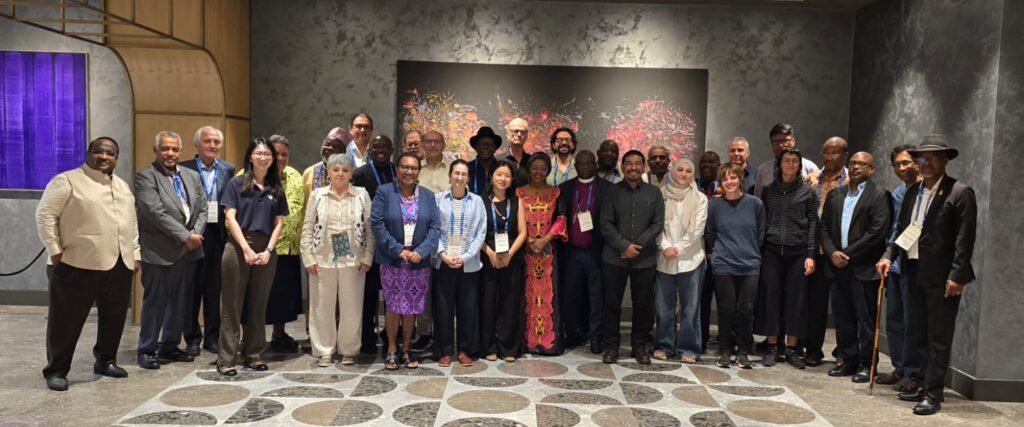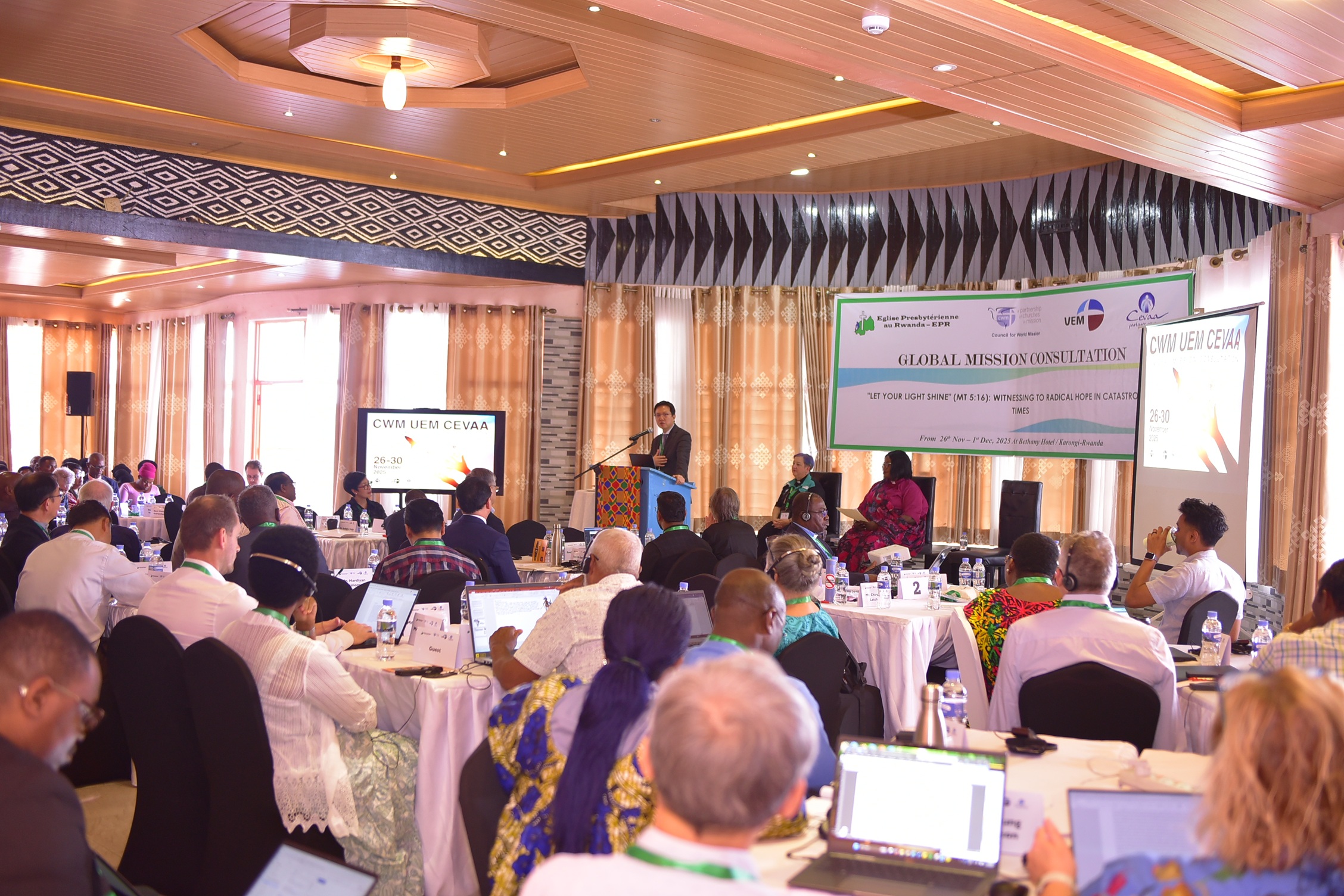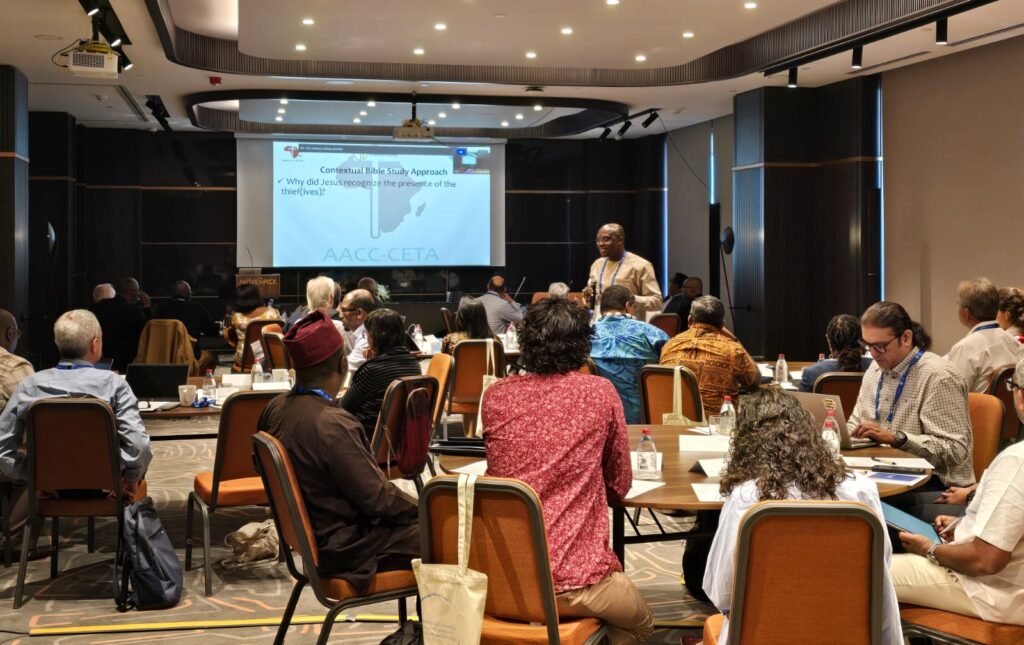
In partnership with the World Communion of Reformed Churches and the All Africa Conference of Churches, the Council for World Mission (CWM) organised an International Consultation in Istanbul, Türkiye.
The meeting, titled, “Ending Genocides, Ecocides, and Mass Murders: Resilience, Resistance and Alternatives in the Face of Empire,” took place 25-27 August, bringing together survivors, activists, theologians, and academics from across the globe to critically examine the historical and ongoing forces driving systemic violence, while highlighting the resilience and resistance of affected communities.
A central message running through the consultation was that genocides and ecocides are deeply intertwined, both emerging from imperial logics that treat people, land, and resources as expendable.
It positioned starkly that genocide is not merely the wanton destruction of human life but also constitutes a brutal and systematic erasure of that which encompassed an entire life cycle, from lands, cultures, and identities, to the spiritual wellbeing of disparate communities.
Running parallel to its reprehensive twin, ecocide, on the other hand, entails the obliteration of precious ecosystems and natural resources that sustain life, often deployed as a deliberate strategy to utterly dominate or marginalise peoples.
Debunking “Never again!”
CWM Deputy General Secretary for Programmes, Dr Sudipta Singh, opened the consultation with a compelling statement: “We gather because we dare to believe that another world is not only possible but demanded by the God of justice. The cry of ‘Never again!’ must extend beyond a single people or land—it must echo for all peoples and all of creation.”
He also added that the mission of God was nothing less than a radical mission. It must be also a mission of resistance, and of a struggle for life in the very midst of death.
Singh asserted that the path of Christ and discipleship does not lead into centres of power, but into places of suffering—into the streets, refugee camps, and graveyards.
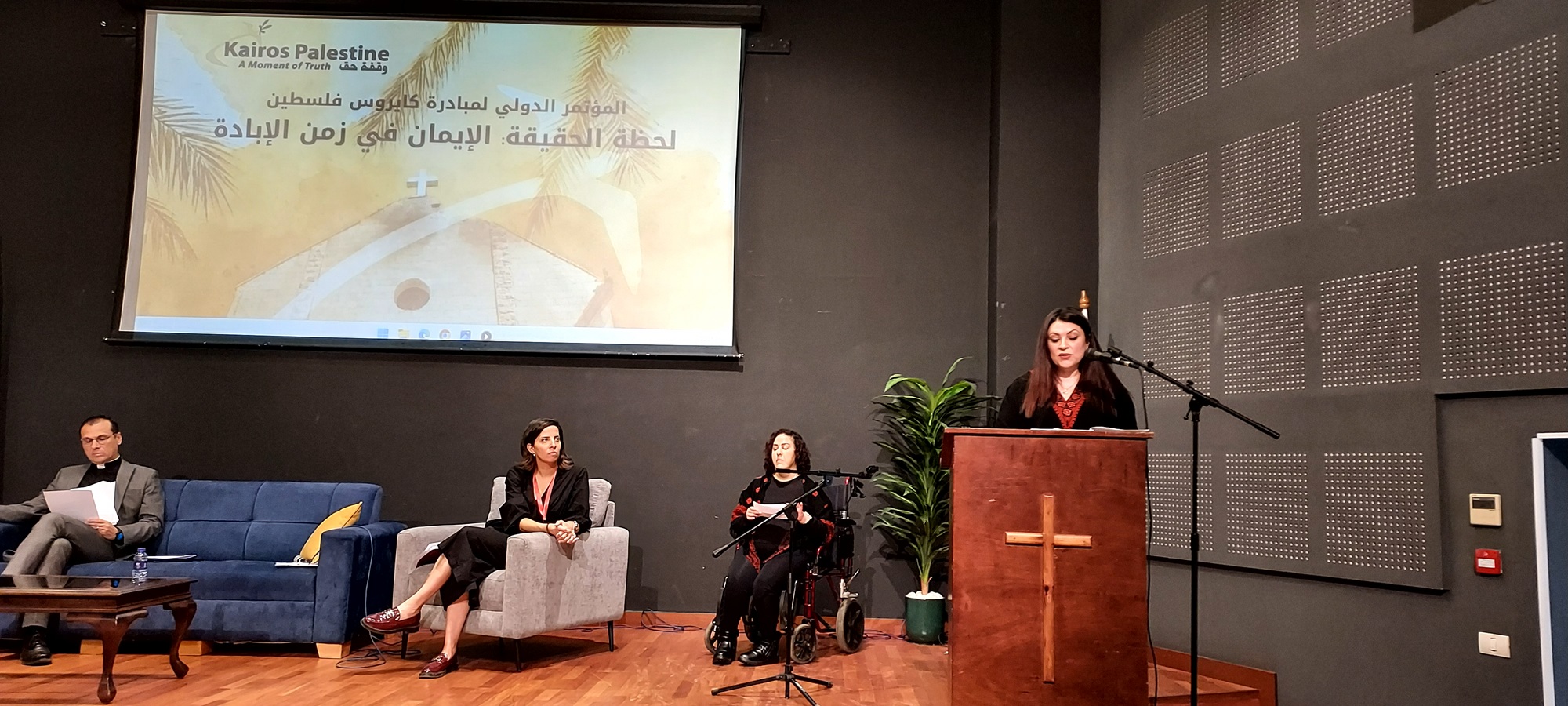
Rev. Dr Mitri Raheb, an academic and theologian based in Palestine, explored in his keynote address the complex ways in which historical trauma, biblical texts, and political structures intersect to enable ongoing cycles of oppression, particularly in relation to Israel and Gaza.
Echoing Singh’s criticism of “Never again!” a slogan used by Israel to lend credence to its present acts of military violence, Raheb observed that the cry has become a political theology of security, nationalism, and exceptionalism to justify genocidal acts in Gaza under the pretext of “security.”
“Where are the Bonhoeffers of our time?” lamented Raheb as he concluded.
Themes that challenge and resist
Four central themes were eventually reached via the rigourous dialogues amongst the participants:
Reclaiming the narrative
Participants highlighted the importance of the voices of survivors and resisting the imperial framing that justifies extractive violence under the guise of “development.” Across contexts—from Namibia, Gaza, and West Papua to Tamil Eelam and French Polynesia, empires have historically defined who counts as a victim and who does not, suppressing resistance and erasing histories of oppression.
Challenging hegemonic imaginaries
The consultation emphasised the need to confront Eurocentric, colonial, and racially supremacist frameworks embedded in theology. Decolonising education, language, and faith practices emerged as essential strategies for cultivating solidarity, reclaiming identity, and nurturing prophetic action rooted in justice.
Recognizing geopolitical and resource-driven dimensions
Genocide is rarely a purely ethnic or religious conflict. Across multiple case studies—such as Namibia, Palestine, Sudan, and Guatemala—resource extraction, militarisation, and strategic territorial interests underpin systemic violence. The consultation stressed the interconnectedness of imperialism, extractivism, and state violence as structural drivers of human and ecological destruction.
Resistance and resilience
Despite centuries of oppression, affected communities have continually resisted through cultural preservation, grassroots organising, and political mobilisation. Examples included the Eelam Tamil women preserving their narratives, the Mayan communities defending ancestral lands and cultural identity, and West Papuan populations resisting assimilation through art, music, and protest.
“Addressing genocides and ecocides is a practical necessity!”
During the closing moments, the Istanbul consultation collectively affirmed the stance that addressing genocide, ecocide, and mass atrocities must require an integrated, global approach that recognises the interdependence of life, land, and identity.
Doing so is not only a moral and theological imperative but also a practical necessity: survivors’ voices, lived experiences, and strategies of resistance must form the foundation for any efforts toward justice, reconciliation, and the sustainable flourishing of communities worldwide.
Additionally, the consultation also reinforced the necessity of global solidarity, highlighting that collaborative action across borders is essential to protect communities from systemic violence.
A statement was released at the end of the conference. Download the full statement here.