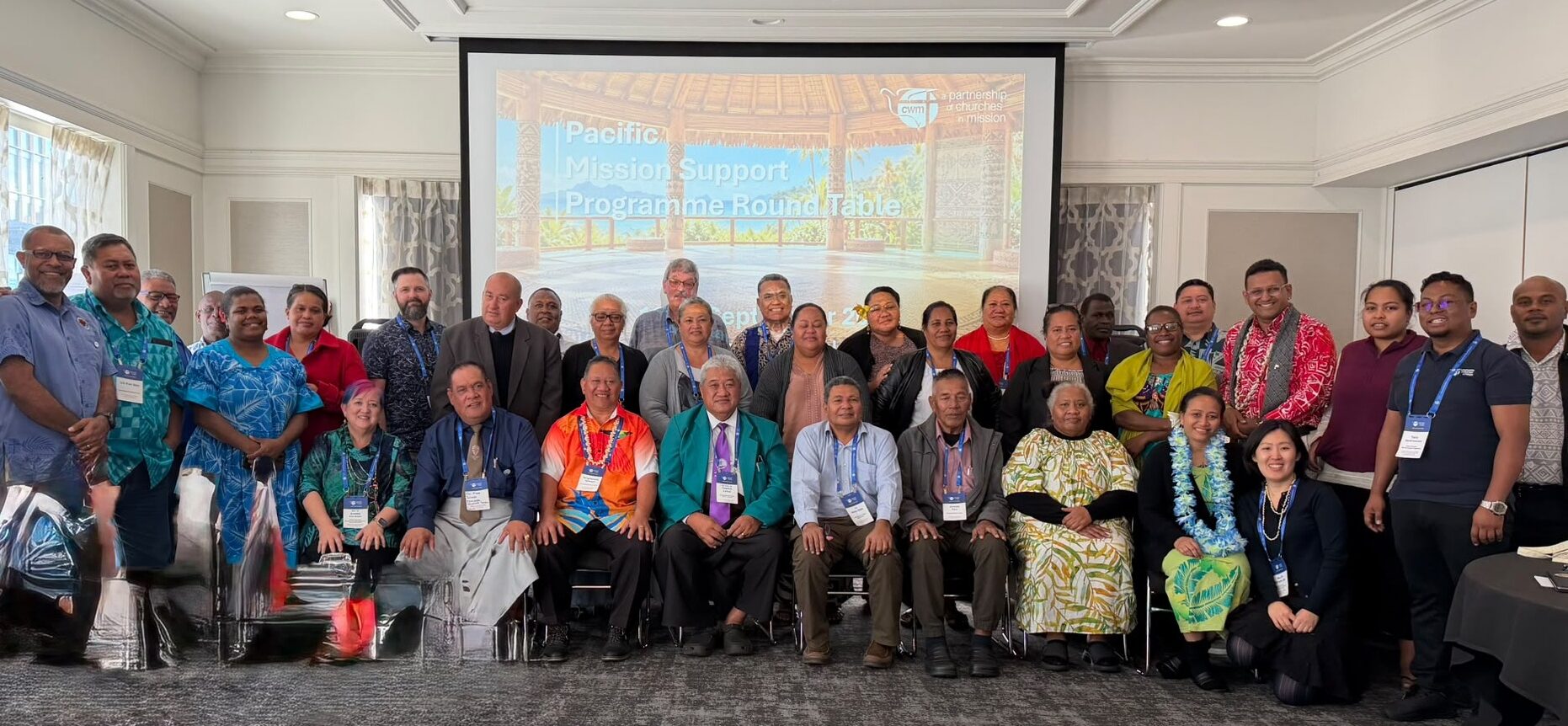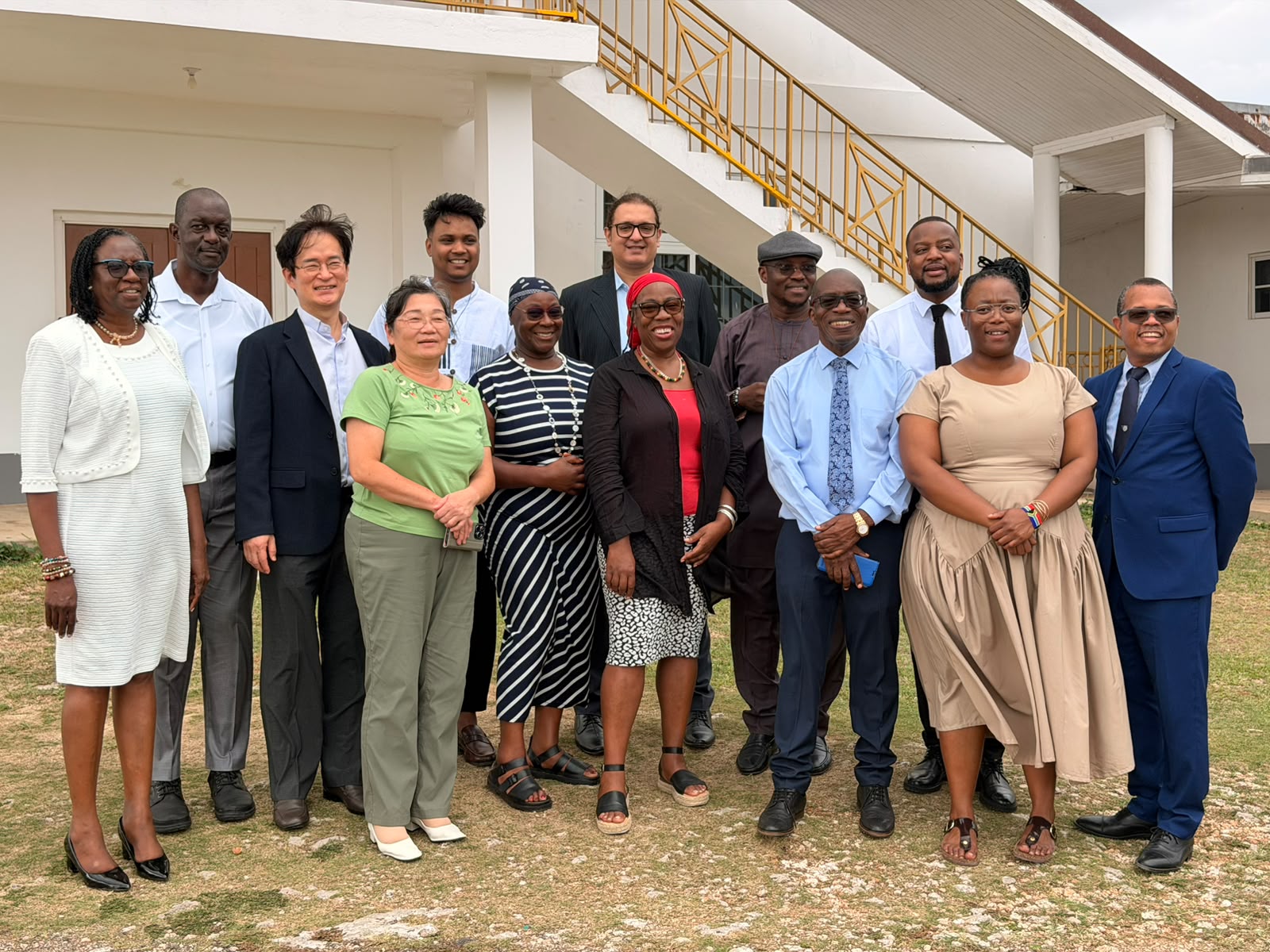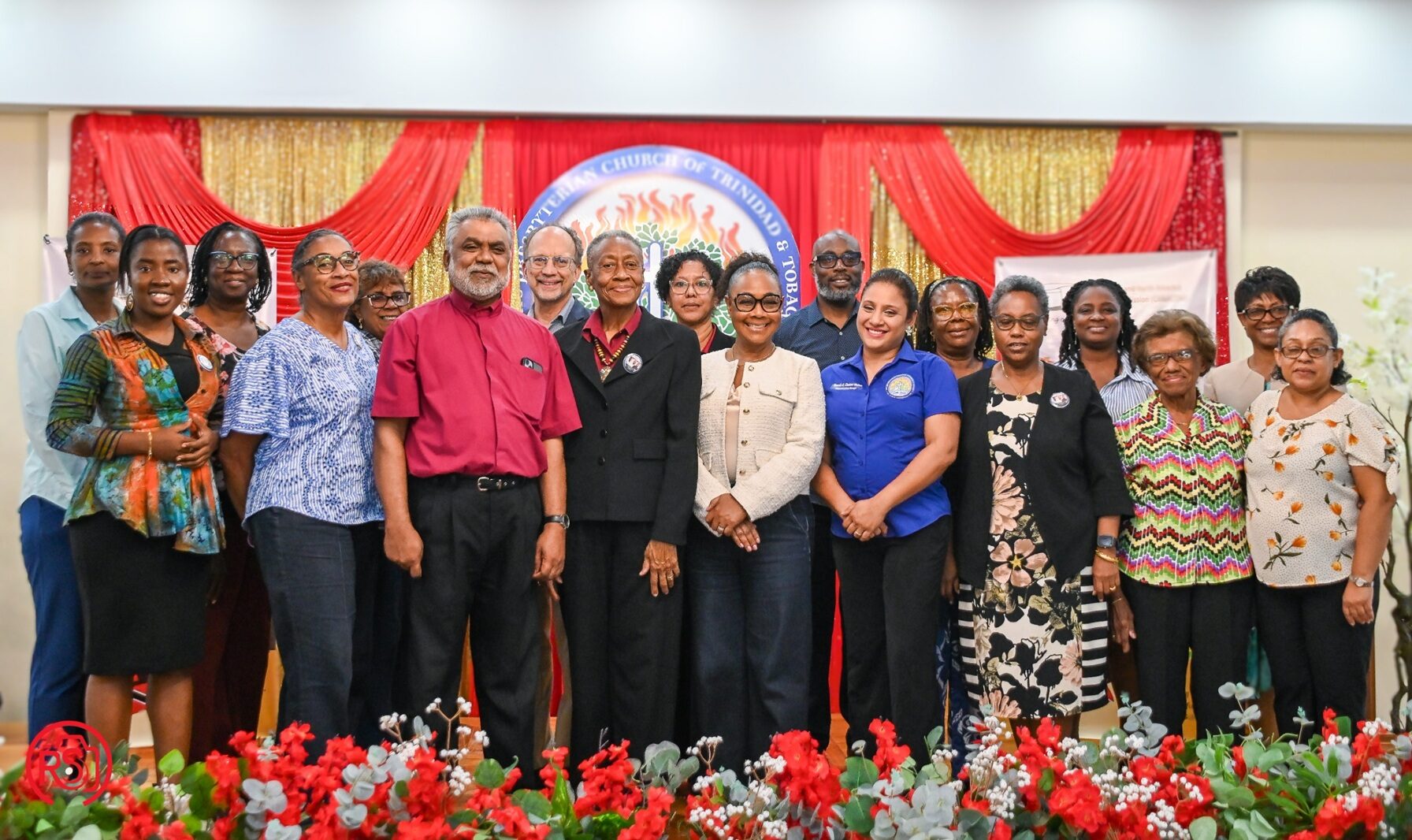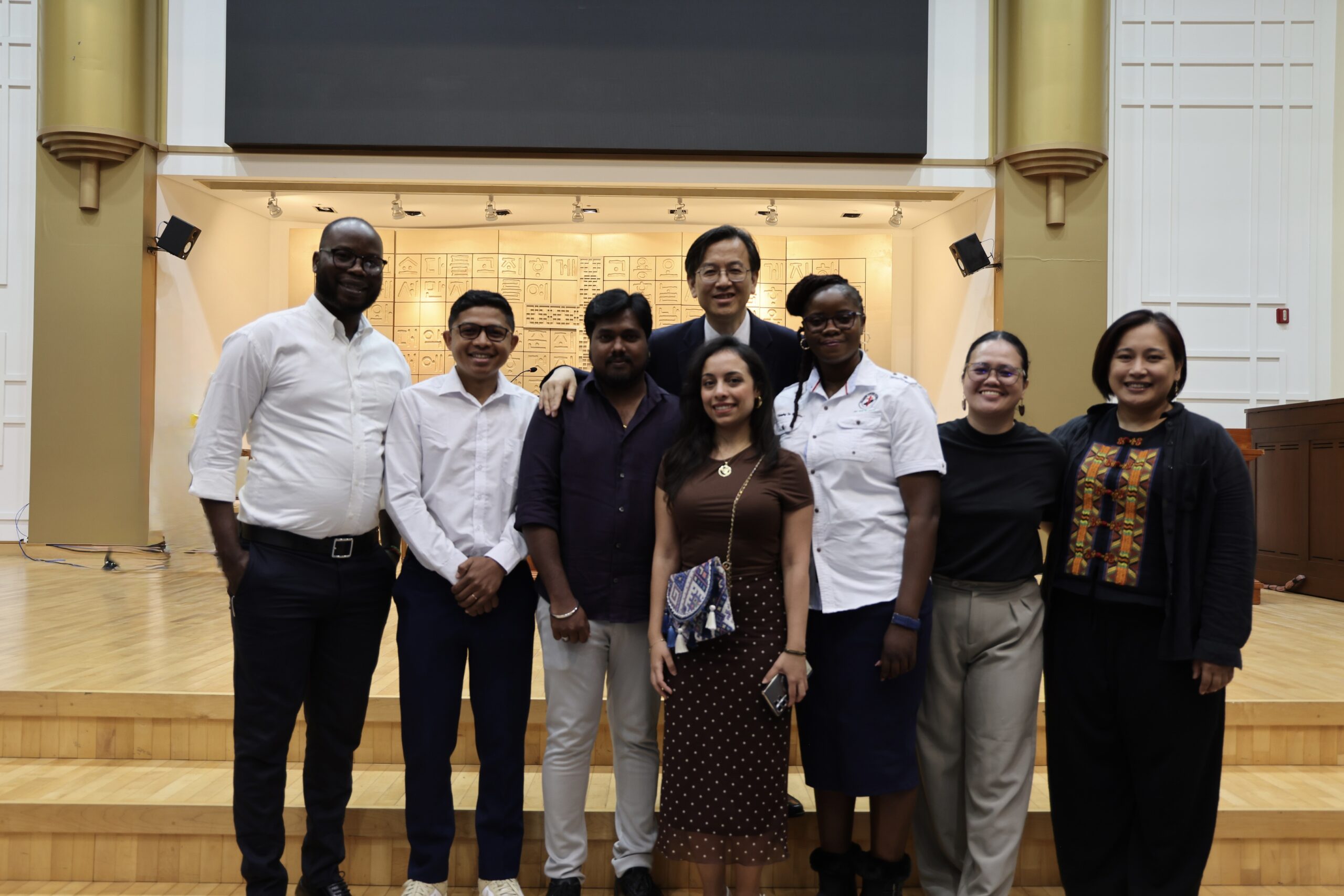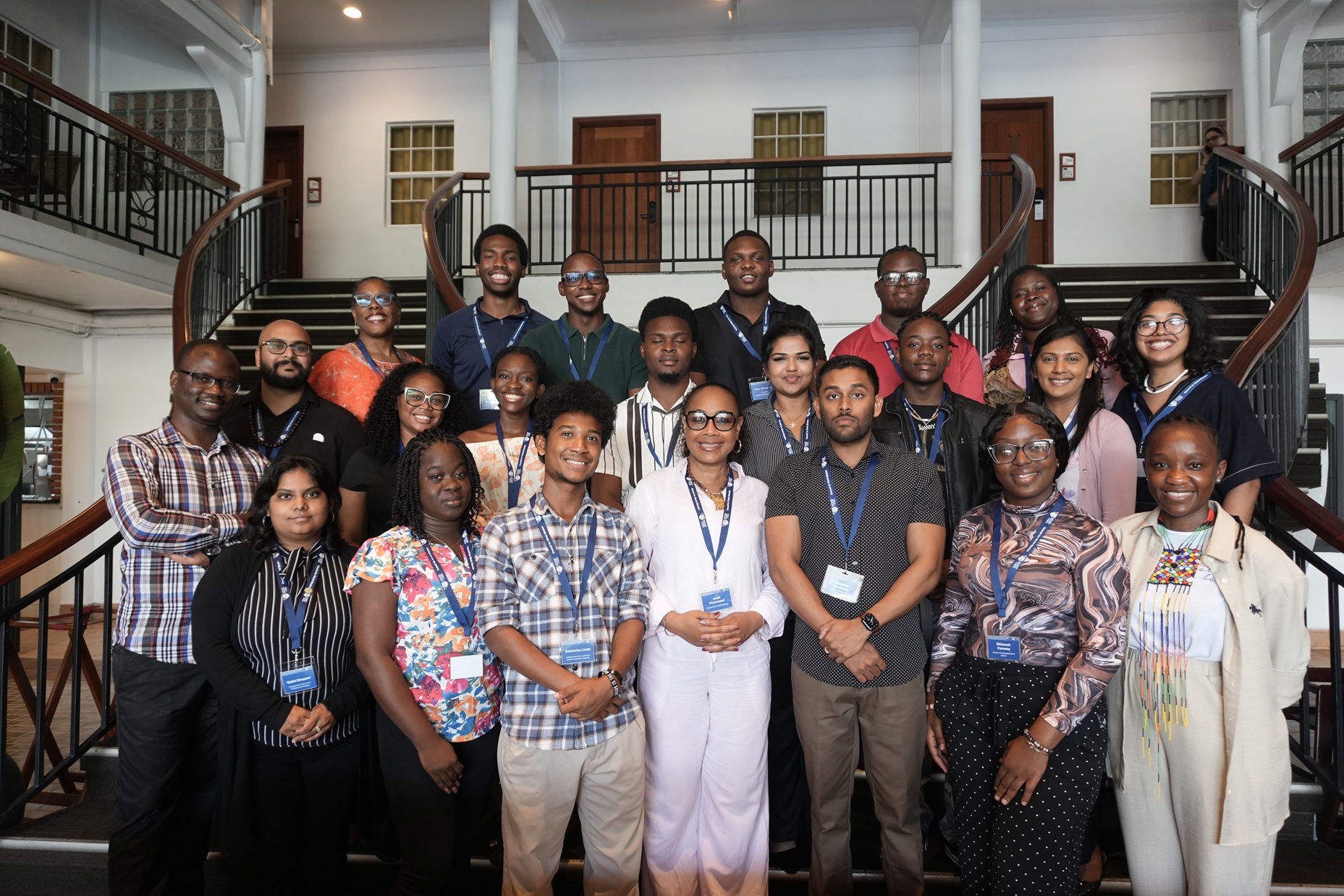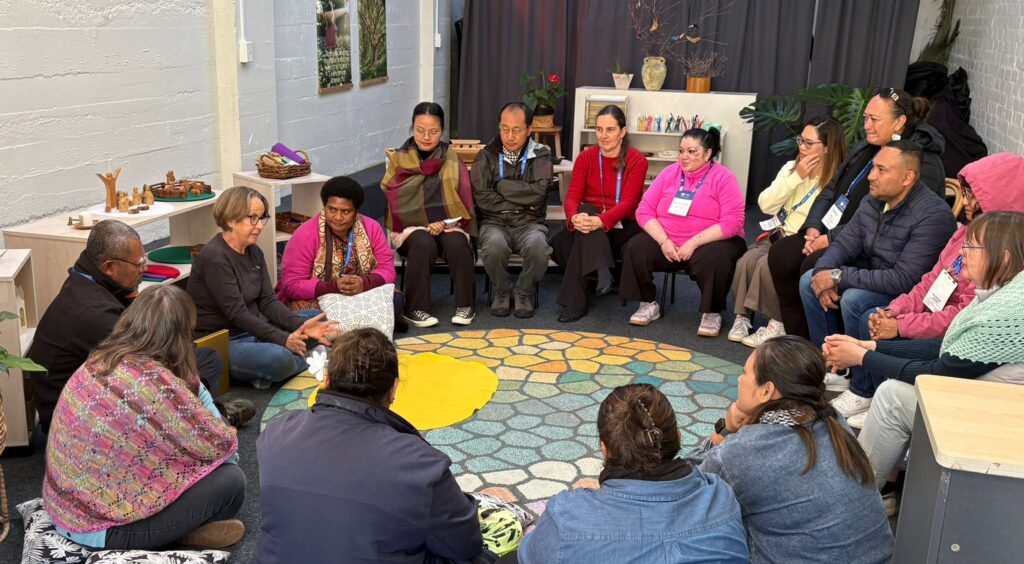
Twelve representatives from Council for World Mission (CWM) member churches and an ecumenical partner from the World Communion of Reformed Churches (WCRC) gathered in Auckland from 16 to 26 May for the CWM Re-Visioning Education – Mission and Ministry with Children Consultation.
The consultation examined how churches can renew Christian education for contemporary contexts while remaining rooted in faith traditions. Participants reflected on inherited educational models, many of which were shaped by missionary approaches and systems developed in earlier eras and considered how these might be reimagined to better minister to children today.
Identifying the re-visioning and decolonising of education as a core theme for CWM, Mission Secretary for Education and Empowerment, Rev. Dr Amelia Koh-Butler underscored the importance of addressing each age and stage of education and its subsequent missional formation.
“Since tertiary education is based on secondary education, which, in turn, is based on elementary education, it is necessary to examine and critique how our learning strategies embed colonial thinking and practice. To decolonise education, it is necessary to look at foundational learnings and strategies for formation.”
Discussions highlighted the need to move beyond approaches that prioritise conformity and instead foster creativity, critical thinking, and holistic faith formation. Participants explored how Christian education can respond to contemporary realities, including digital technologies, migration, questions of identity, and creation care.
The consultation encouraged churches to review existing curricula, teaching methods, and educational structures, while honouring the contributions of previous generations. Participants emphasised the importance of creating safe, inclusive, and life-giving spaces where children can learn, grow, and contribute meaningfully to church and society.
“[When we] work with children, one isn’t just an educator, we join God’s work of transformation. Re-Visioning Education, therefore, begins when we honour the God-given wisdom in every child. When we see children through God’s eyes, we can then reimagine what learning can be,” reflected Melba Menke, principal of Nauru College.
Throughout the programme, participants shared experiences and ministry anecdotes. Heartfelt conversations focused on teaching styles, curriculum design, teacher training, faith formation, and the practical application of learning in different church contexts.
Participants also examined the various pedagogical methodologies employed by different Sunday School groups with spotlight being shone on examples of inclusive ministry, such as the customising of lessons that integrate young kids with special needs alongside neurotypical children.
Many participants were encouraged by the commitment of teachers and facilitators who adapted lessons and learning methods to meet the needs of individual children. They noted that effective ministry with children depends not only on resources and programmes but also on strong relationships, consistent accompaniment, and a willingness to learn alongside young people.
The consultation also highlighted the growing need for ongoing training and professional development for those engaged in mission and ministry with children. Participants recognised that effective ministry requires continual learning as churches respond to changing social, cultural, and technological realities.
The programme concluded with a renewed commitment to place children at the centre of faith formation and community life. Participants affirmed the importance of intergenerational ministry and expressed a shared desire to develop educational approaches that nurture faith, encourage participation, and equip children to flourish in a rapidly changing world.