The Onesimus Project (TOP) in Malawi is strengthening efforts to address labour exploitation and modern-day slavery in tea-growing communities through its project, Empowering Communities to Combat Modern-Day Slavery: Awareness and Training, implemented by the Churches of Christ in Malawi (CCM).
The project is being carried out in the districts of Thyolo, Mulanje, and Phalombe, where communities face ongoing challenges related to labour exploitation, economic vulnerability, and limited awareness of workers’ rights.
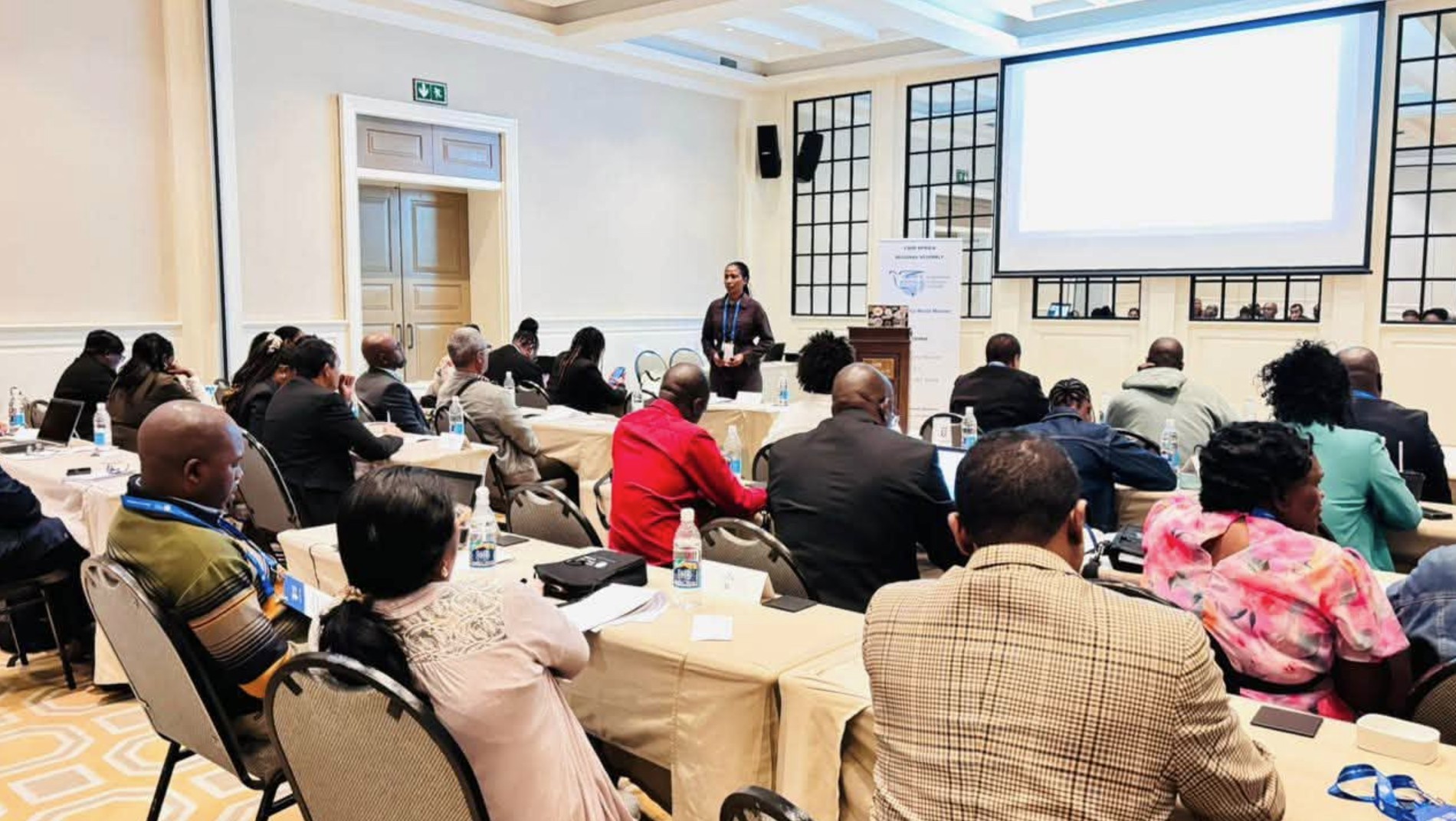
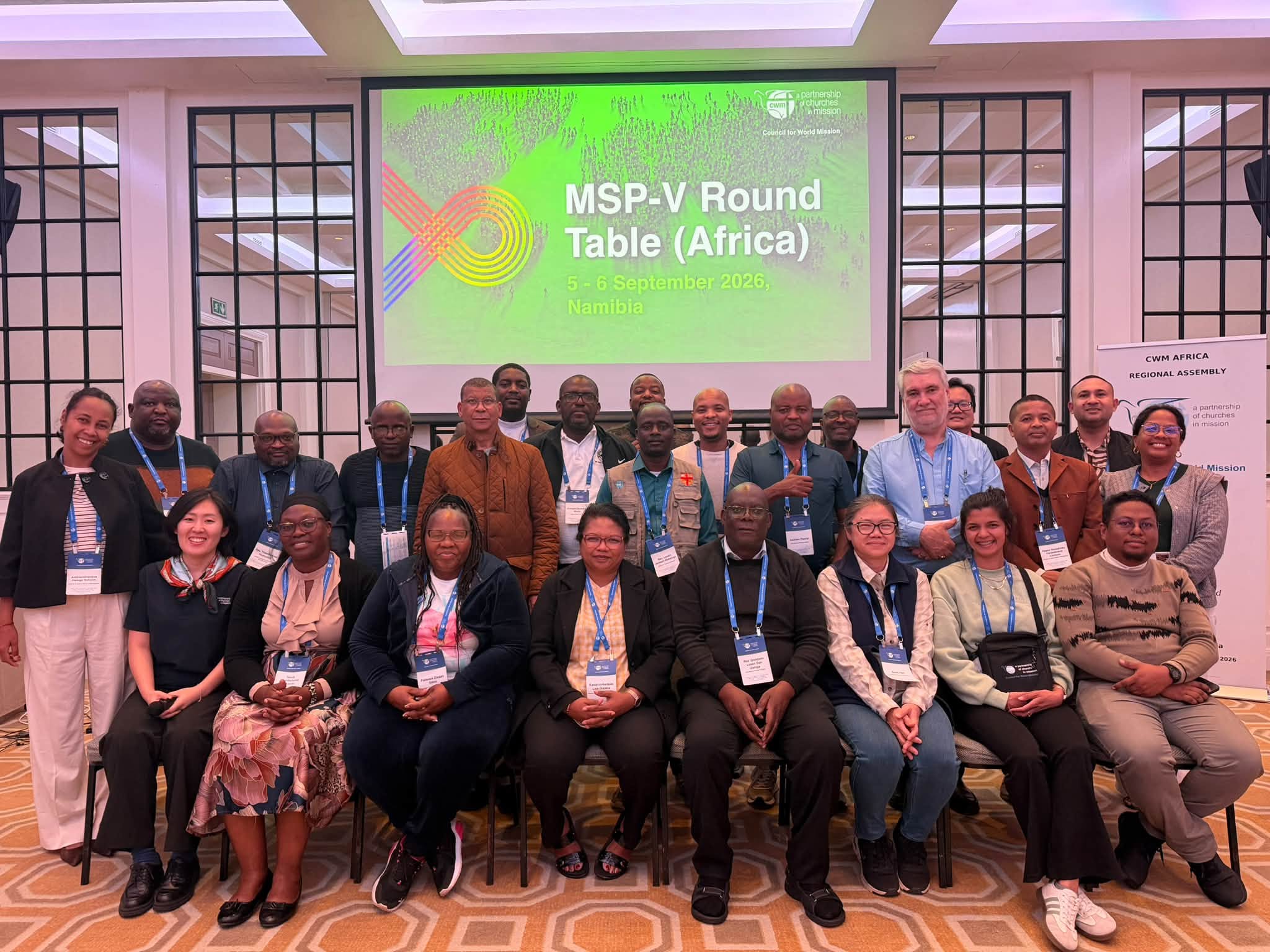
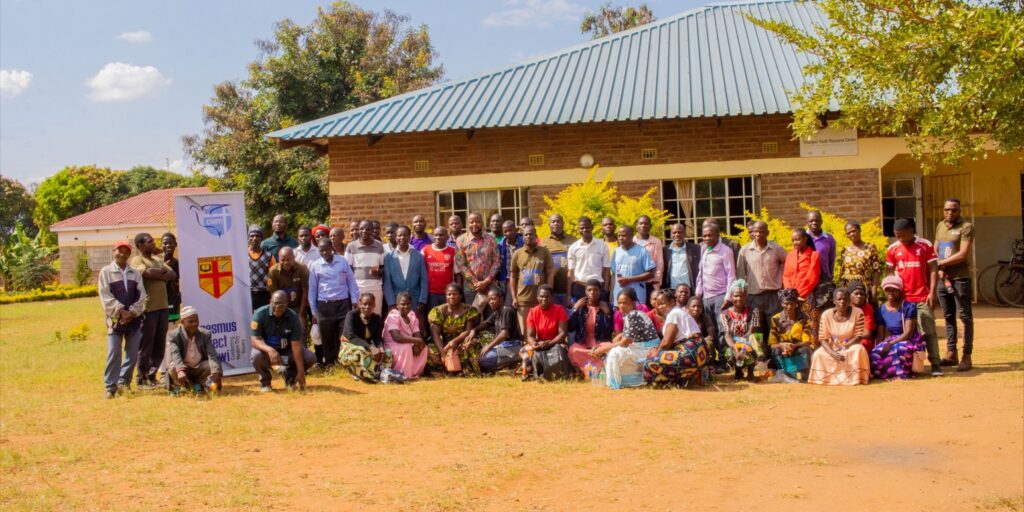
As part of efforts to strengthen the next phase of implementation, CWM coordinator for TOP, Rev. Wellington Mthobisi Sibanda, visited CCM from 1 to 3 June to engage project teams, church leaders, and community stakeholders involved in the initiative. The visit provided an opportunity to review recent findings, assess progress, and align future activities with community needs.
A baseline survey conducted in May 2026 found that while many community members are familiar with the scourge of modern-day slavery through radio programmes and community discussions, detailed knowledge of labour rights and reporting mechanisms remains low.
The findings highlighted several challenges facing local communities, including limited awareness of labour protections, high exposure to exploitative labour practices, and low confidence in existing reporting systems. Economic hardship was also identified as a major factor that compels many households to accept unsafe or unfair working conditions.
The survey also identified wage underpayment, insecure short-term contracts, inadequate personal protective equipment, and gender-based abuses as factors contributing to vulnerability and exploitation.
In Phalombe, community members raised additional concerns about unsafe migration and human trafficking to neighbouring Mozambique, particularly among young people.
In response to the survey findings, project partners identified several priorities for the next phase of implementation. These include increasing awareness of labour rights, strengthening community capacity to identify and respond to exploitation, and developing trusted reporting and referral mechanisms that reduce fear of retaliation.
“Our evidence from the communities shows that awareness alone is not enough,” said Sibanda. “We must equip people with knowledge of labour rights, strengthen safe reporting and referral pathways, and support livelihoods so that exploitation is no longer the only option.”
Participants also highlighted the need to strengthen livelihoods and economic resilience as a way of addressing the underlying conditions that make individuals and families vulnerable to exploitative labour practices.
“We now understand that reporting must be safer and that leaders and workers need training. When people know where to go, exploitation becomes harder to hide,” said one participant who requested anonymity.
The project forms part of TOP’s wider commitment to addressing modern-day slavery through community empowerment, education, advocacy, and accompaniment. By strengthening local capacity and raising awareness of labour rights, the initiative seeks to support vulnerable communities in resisting exploitation and promoting human dignity.