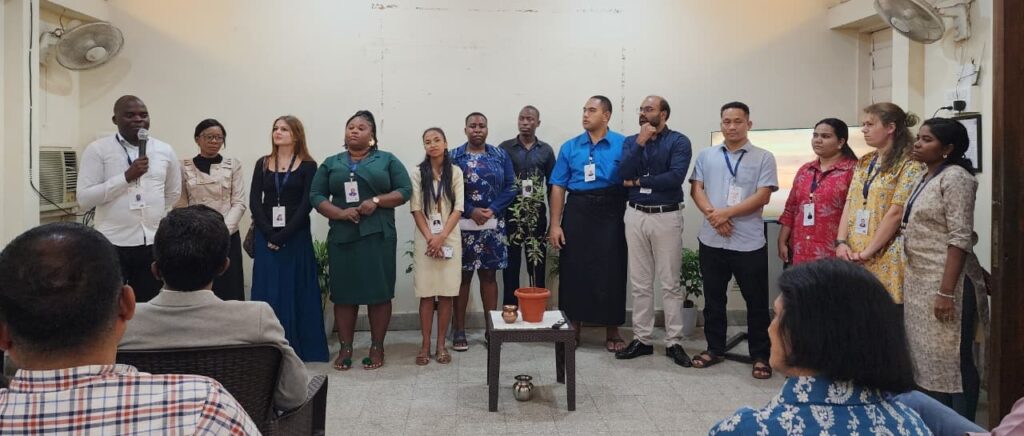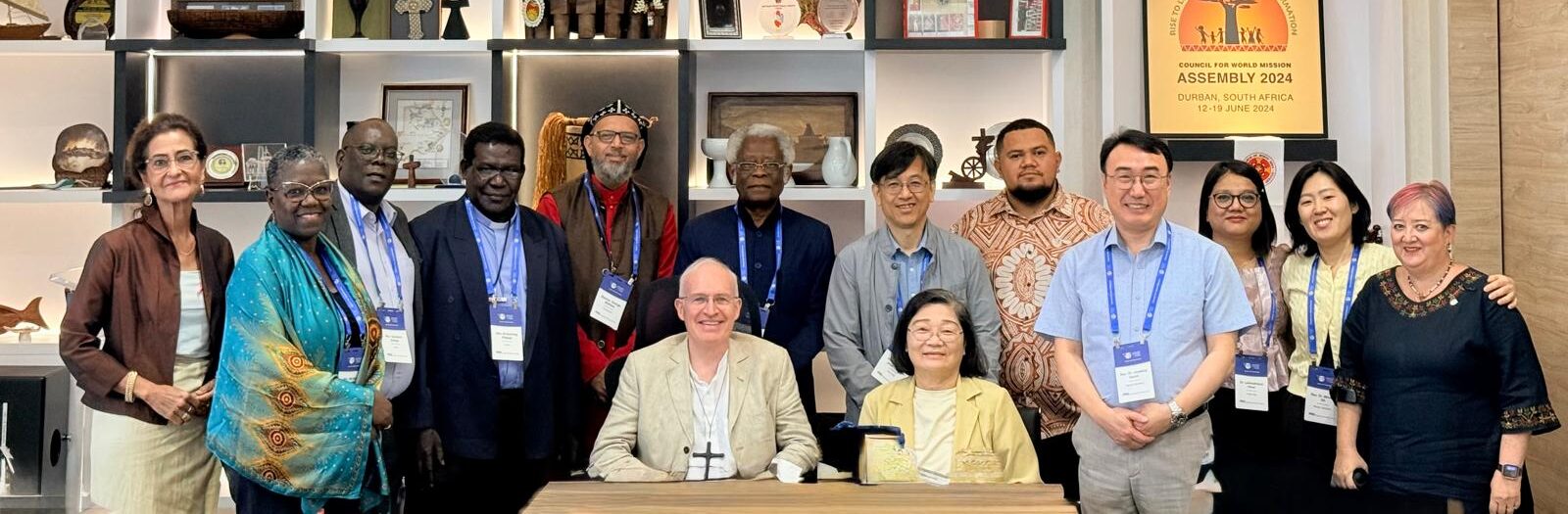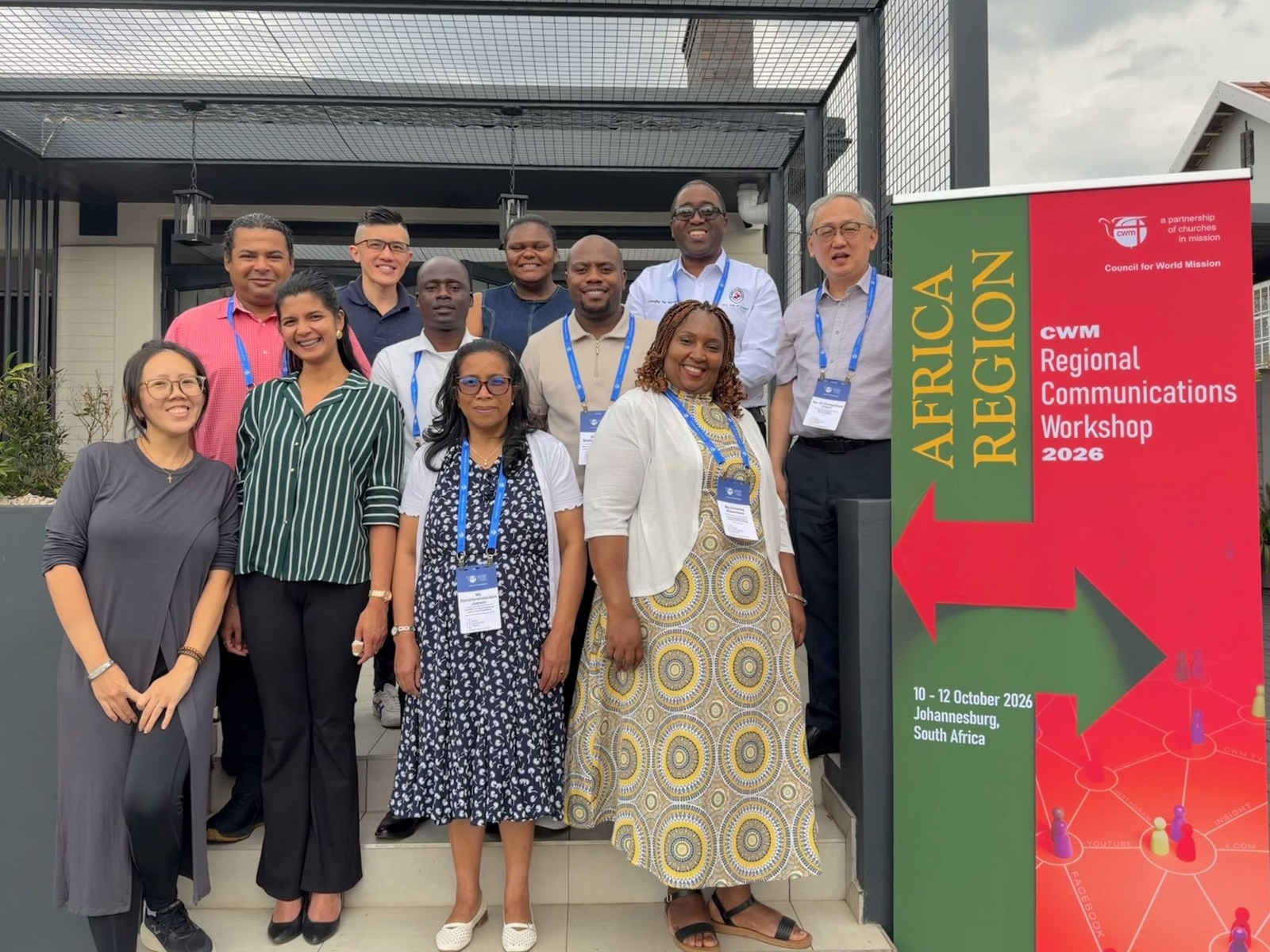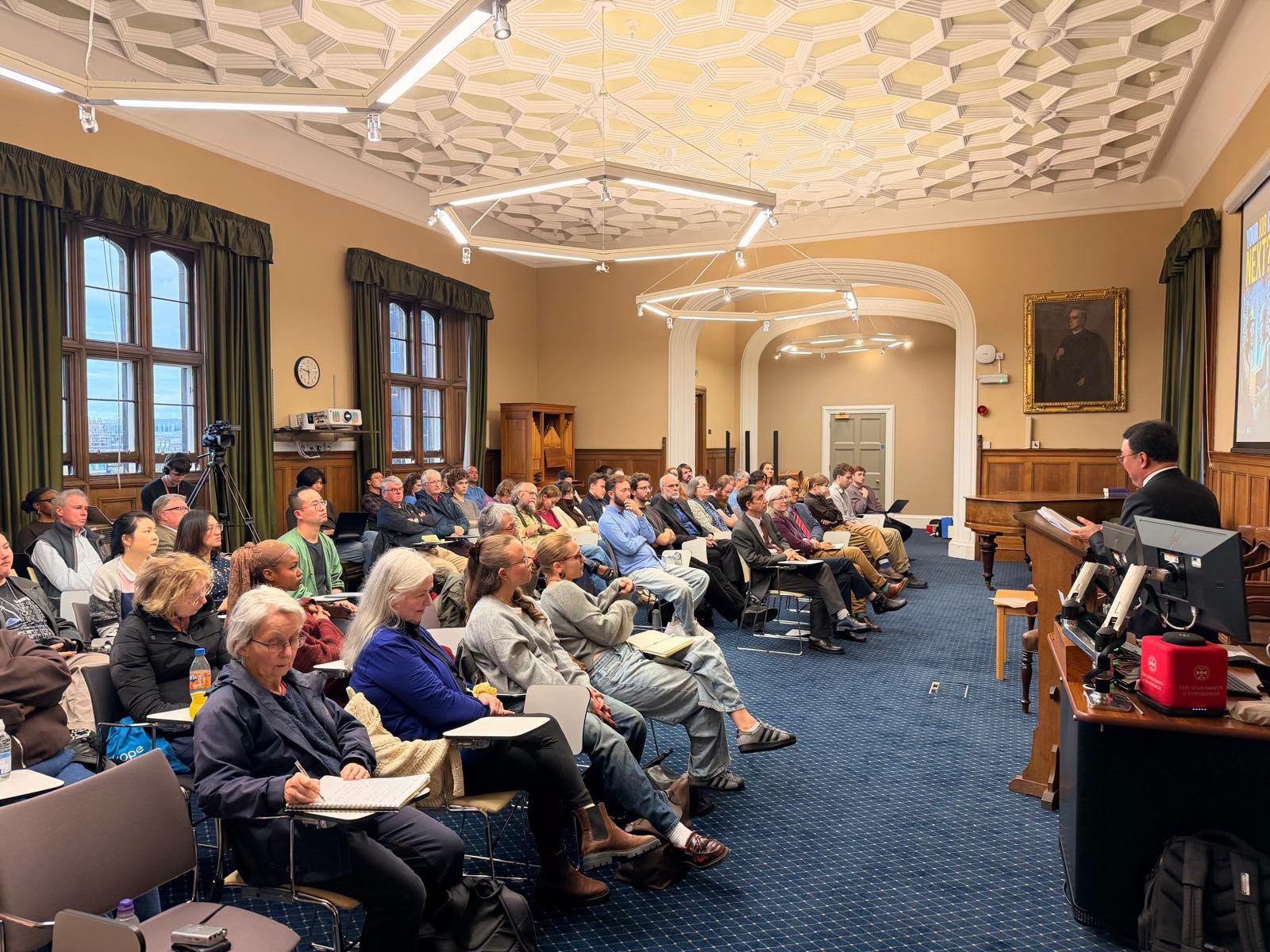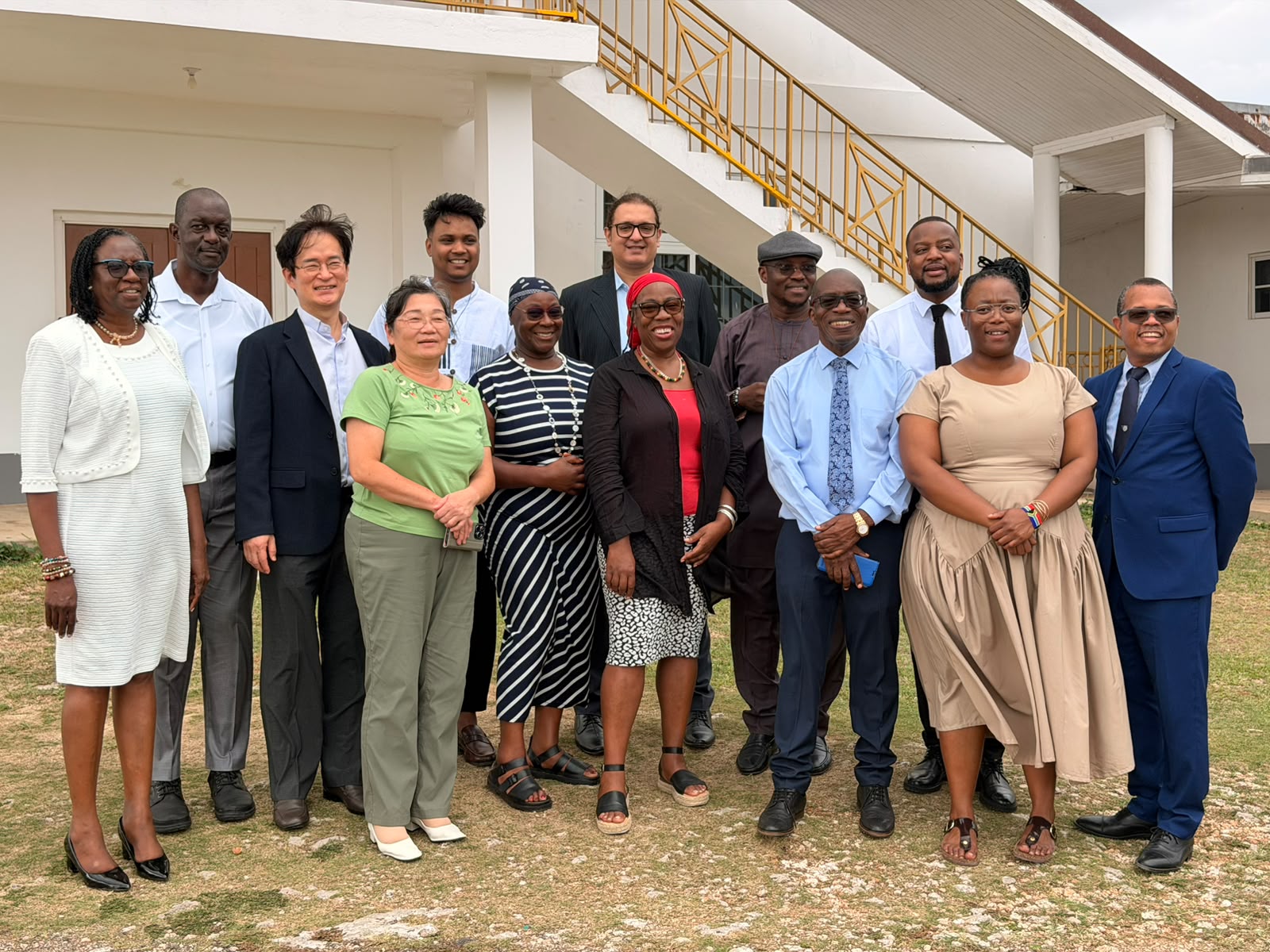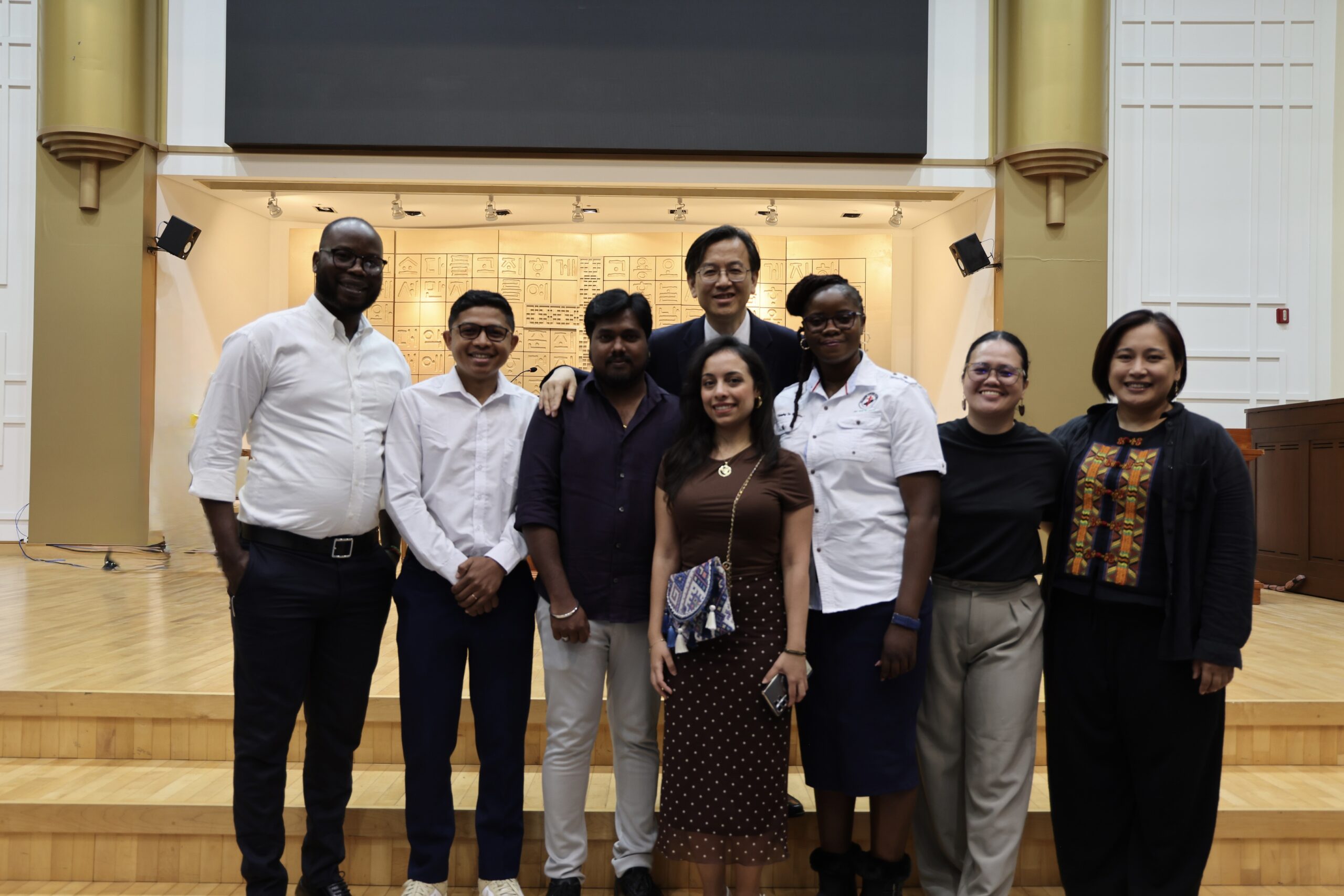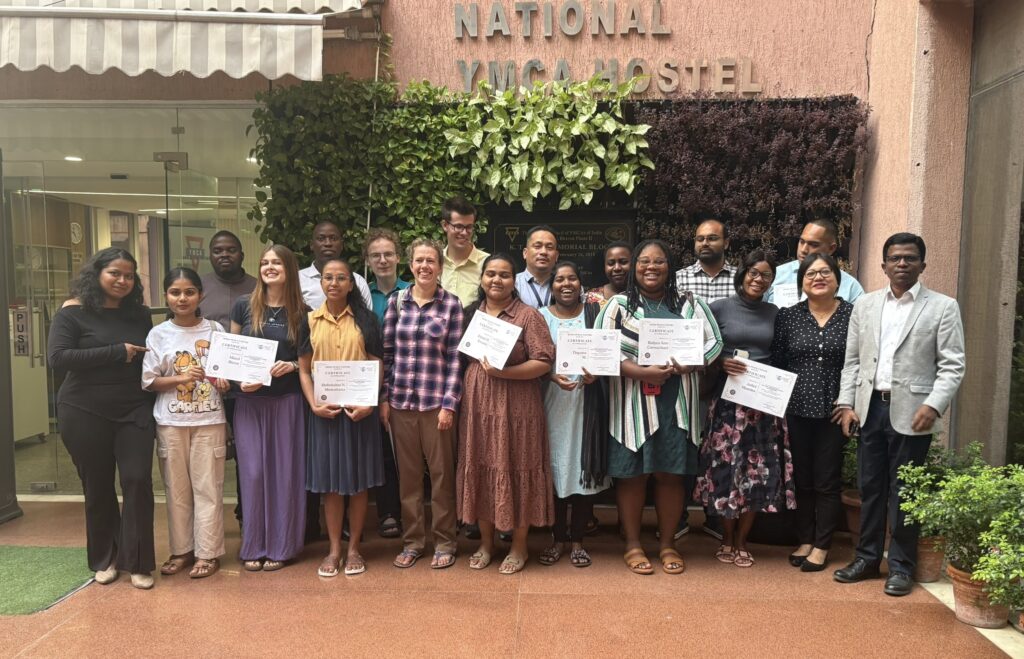
From 2 October to 4 November, 13 participants from India, Malawi, Madagascar, Zambia, United Kingdom, United States, Italy, Zimbabwe, and Guyana met at the India Peace Centre (IPC) in Nagpur for the “Face to Face Interfaith Harmony: Promoting Peaceful Communities” conference, an extensive meeting to strengthen dialogue and mutual understanding, creating a deeper sense of compassion for people of diverse faiths and cultures.
The month-long event, jointly organised by the Council for World Mission (CWM) and IPC, took the participants on a learning journey across Nagpur and New Delhi as they explored interfaith relations while seeking to cultivate a shared responsibility toward peace and coexistence, fostering values and gaining layered experiences that they will adopt and adapt in their local contexts.
The conference took on a specific theme each week to allow for sufficient immersion and a platform for active conversations and profound reflections.
Exploring Ghandi and Ambedkar
The first week of the conference walked the participants through the topics of interfaith dialogue, actions of inclusivity, and environmental consciousness. While reflecting on the teachings of Mahatma Gandhi and Dr B. R. Ambedkar, a former minister of law and justice in India, participants were reminded of the enduring importance of nonviolence and equality. They were also introduced to the concept of harmony as not just an abstract idea but a lived practice nurtured through dialogue, empathy, and a shared vision.
“Participants [in the first week] developed meaningful cross-cultural friendships and explored both traditional and modern pathways to peace… the spirit of unity, dialogue, and hope cultivated during this opening week will guide further engagement toward building peaceful and inclusive communities,” remarked Angelious Michael, director at the IPC and facilitator of the conference.
Worship that is lived and breathed
Immersion visits to various centres of faith, schools, and community organisations established by various belief groups in the second week exposed the participants to ecumenical traditions, inclusive theology, social justice, and the importance of environmental care.
The conference also showcased lived spirituality that was embodied and practiced through service, compassion, and advocacy, highlighting the connections between faith, justice, and sustainability.
Participants not only engaged in dialogue but also witnessed living examples of faith in action—from inclusive schools and theological institutions to sacred spaces and community-led sustainability efforts.
The high points of the week included a visit to the polluted Nag River which fostered conversations and reflections on environmental justice and faith-based ecological action while time spent in a session with the National Council of Churches in India also taught the participants on how service to others—especially marginalised communities—is a living form of worship.
Ecological advocacy and Indigenous rights
The last two weeks of the conference saw participants travelling to New Delhi from Nagpur, a journey that also signalled a topical transition to an engagement with the precepts of peace-building through scriptural, cultural, and ethical lenses.
By immersing themselves in theology, heritage, and cultural diversity inherent in India, participants were given an array of opportunities to explore reinterpretations of faith.
The exercise was also combined with rigourous academic and spiritual dialogue that fostered critical reflections on the moral responsibilities of the various faiths, inclusivity, and justice, culminating in the affirmation that peace is both a spiritual calling and a social commitment.
The core themes of the conference—dialogue, justice, ecology, and compassion—came together in the final week of the programme when participants explored how interfaith understanding can transform conflict into collaboration, and how ecological awareness must be rooted in moral and spiritual renewal.
A visit to the Lotus Temple of the Baha’i faith for an interfaith session brought topics related to domestic violence, tribal rights, and gender equity—challenging the participants to critique present systems of patriarchy and inspiring them to advocate for justice and dignity.
A two-day session with Dr Lalmuanpuii Hmar from Bishop’s College bookended the conference with a sharing of anecdotes and lessons on Indigenous cultures, land rights, and ecological stewardship. Through Hmar’s presentations that lifted the veil on ecological crises, neoliberalism, and theology’s responsibility toward creation, participants ruminated on ancient tribal wisdom that espoused resilience, and explored agroforestry and the value of spiritual harmony with nature.
The conference also saw the performance of a “Commitment Ritual,” when each participant pledged personal action for earth care and justice.
“[The conference] not only left participants inspired by India’s rich tapestry of faith and culture, but also carried forward the message that peace begins with self-awareness, deep listening, and respect for creation,” said Michael, “it also reaffirmed that interfaith harmony is not a single event but an ongoing commitment—to dialogue, justice, and sustainable coexistence.”