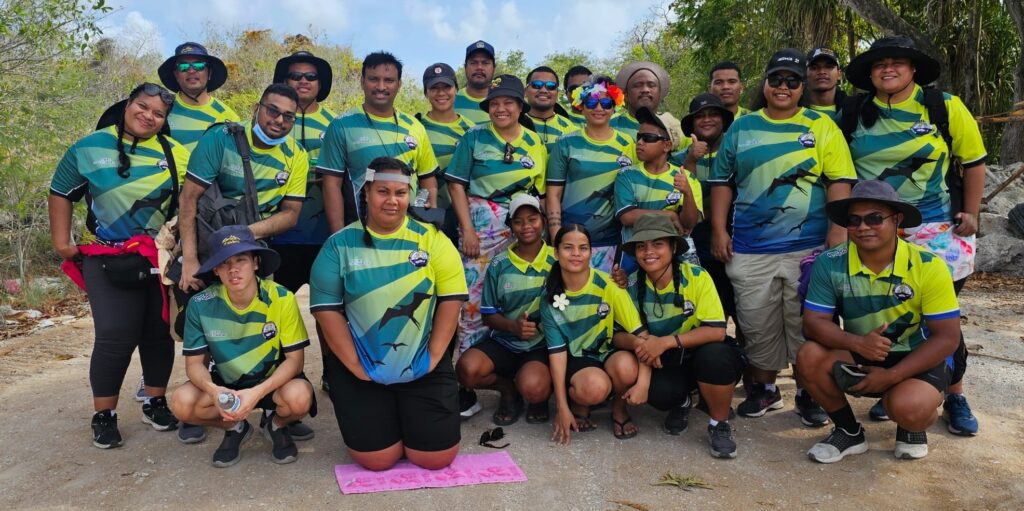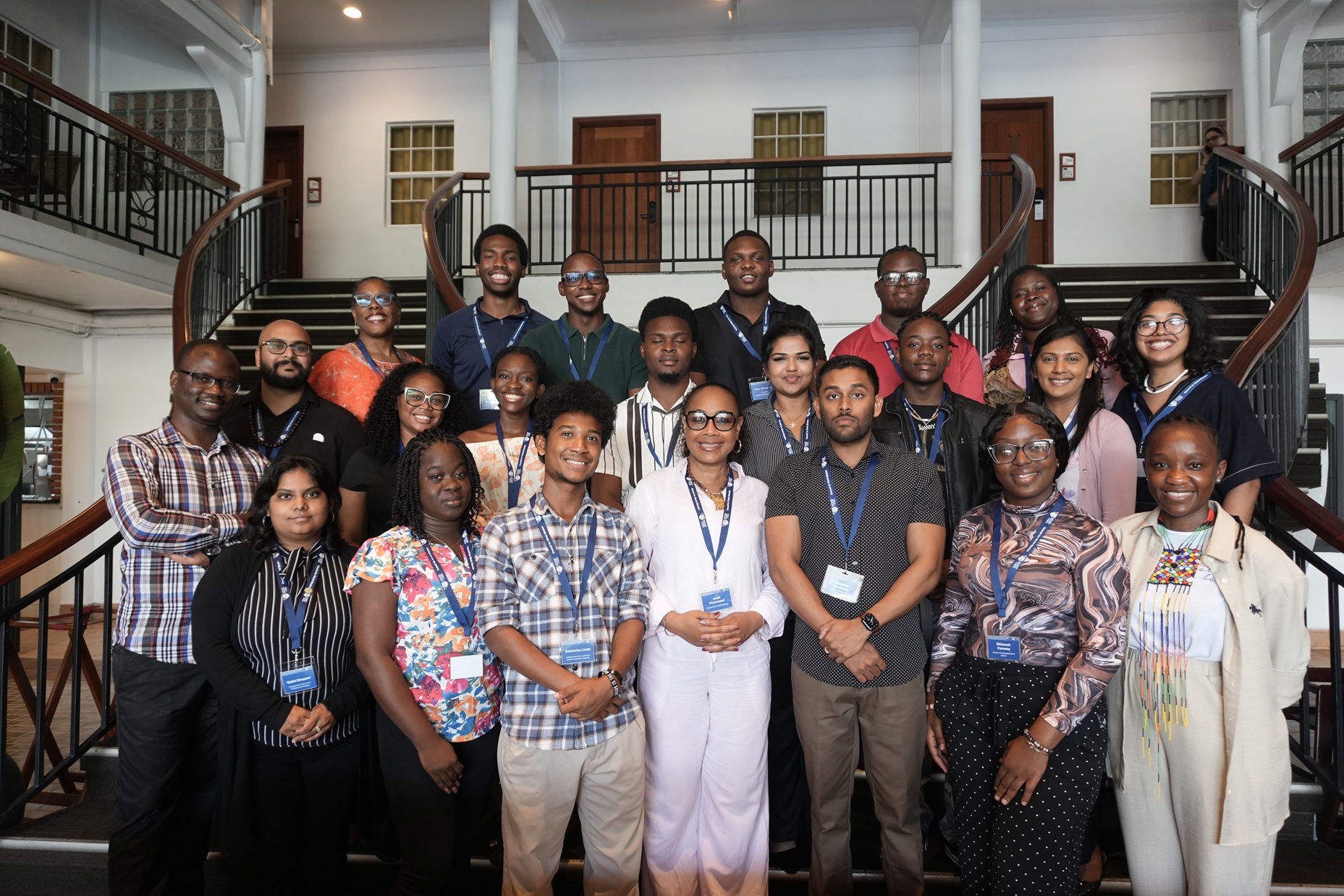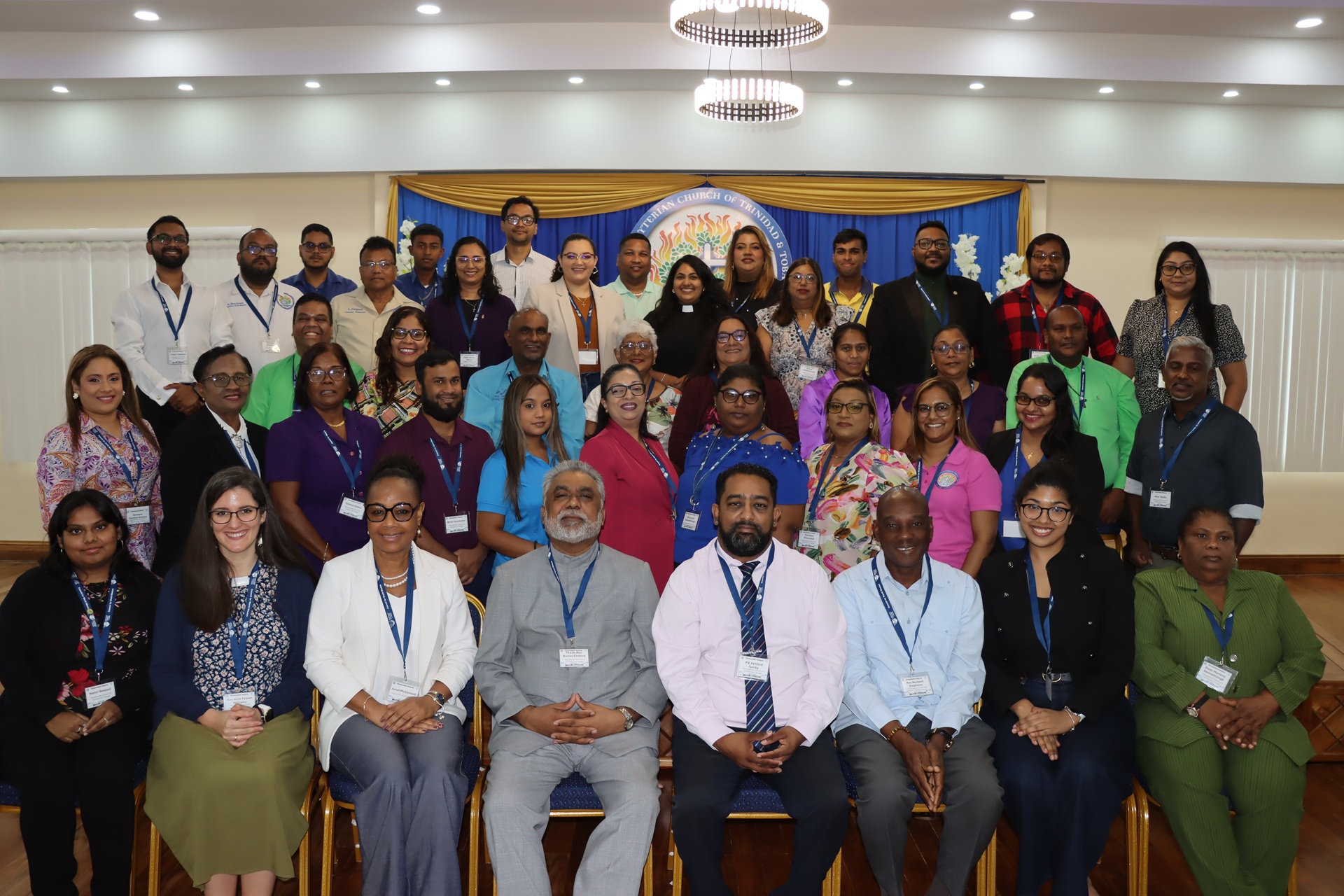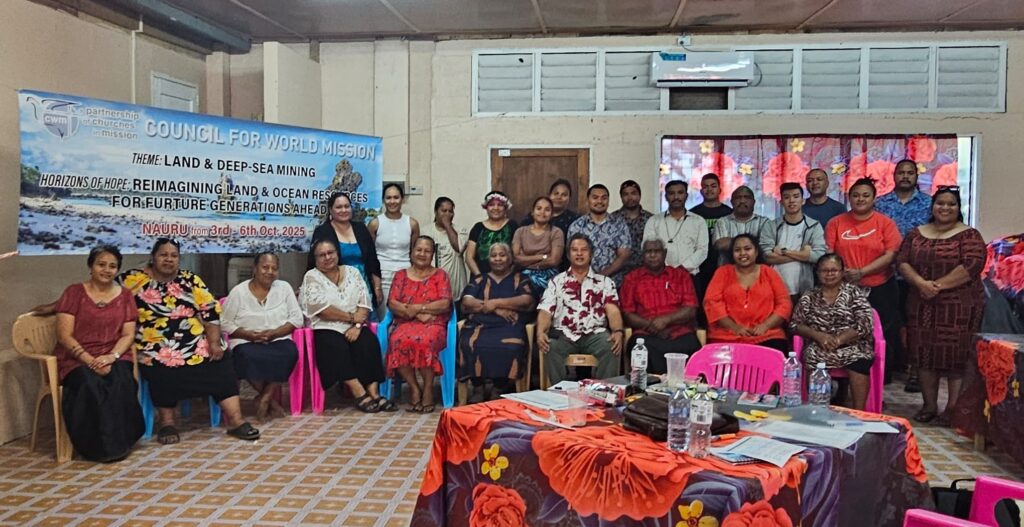
The island country of Nauru hosted 25 participants and ecumenical partners who gathered for the Council of World Mission’s (CWM) Face to Face programme, seeking to tackle the challenges and consequences of land and deep-sea mining that have long plagued the region.
As the third-smallest country in the world with a population that is barely 10,000, Nauru is a raised coral island located in the southwestern Pacific that boasts of some of the most scenic landscapes in the region. Yet its untamed beauty is also marred by years of wanton and devastating phosphate mining.
The four-day programme, from 4 to 6 October, brought young faith leaders from various CWM member churches on a spiritual and practical journey in discovering firsthand the horrors wrought upon the Pacific country by entities from extractive industries and to collectively reflect, learn, and act on the adverse impacts on Nauru’s domestic community and by extension, the region’s ecosystems.
Leading the creation and management of the programme was Rev. Daimon Mkandawire, CWM Mission Secretary for Ecology and Economy who distilled the event down to its main point, “The church must not be silent while the depths of creation are sacrificed on the altar of profit. To defend the ocean is to defend life itself!”
Fostering creation care, strengthening ecological advocacy
A key thrust of the programme was the discerning how various faith communities worldwide can respond to the accelerating push for deep-sea mining, which continues to threaten fragile marine ecosystems, cultural heritage, and the “common heritage of humankind.”
Utilising incisive theological reflections, immersion visits to phosphate fields to witness ecological and social scars left by extractive industries, and dialogue with scientists and policymakers, the event connected the biblical vision of creation care recorded in Genesis 1–2 with contemporary global calls for ecological justice and moral governance of the oceans.
The youth participants also joined in the Sunday worship service at Nauru Congregational Church which was themed “The Ocean is God’s Sanctuary, Not Humanity’s Quarry,” signalling their stance in standing in solidarity with the Nauruan population in resisting the continued exploitation and destruction of their land by empire.
“The time spent in Nauru was truly a blessing! We arrived with little to no knowledge about Nauru and the practices of land and deep-sea mining. Now we leave with a piece of their hearts in us [and with] expanded understanding on the issues the island is facing. I leave committed to pray, serve, and speak for environmental justice,” said Lucy Pouhila, a participant from the Congregational Christian Church of Samoa.
The programme closed with the drafting of a statement denouncing the various extractive activities on the island and affirming, among many points, the sanctity of the land and ocean as well as urging a just and transparent governance of natural resources, grounded in community participation and the principles of free, prior, and informed consent.
The document also stands as a firm commitment by the church to act as a prophetic moral voice for ocean justice and the protection of life-flourishing creation.
There was also a collective agreement to press on with the current engagement with Pacific governments and the International Seabed Authority to promote the precautionary principle and uphold the rights of island communities.
A follow up meeting with Pacific church leaders next year is also in the pipeline.
Click here to read the released statement in full.