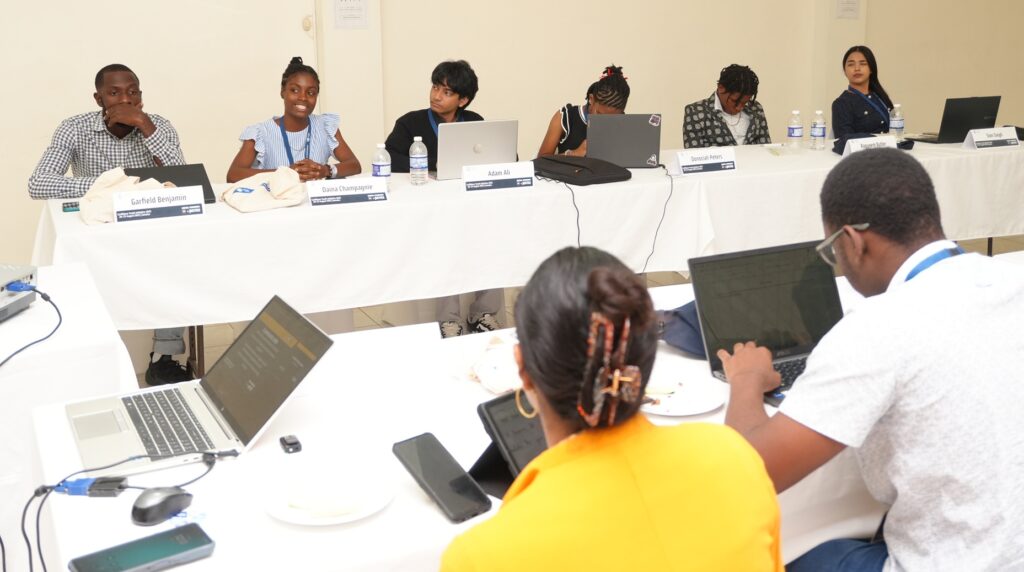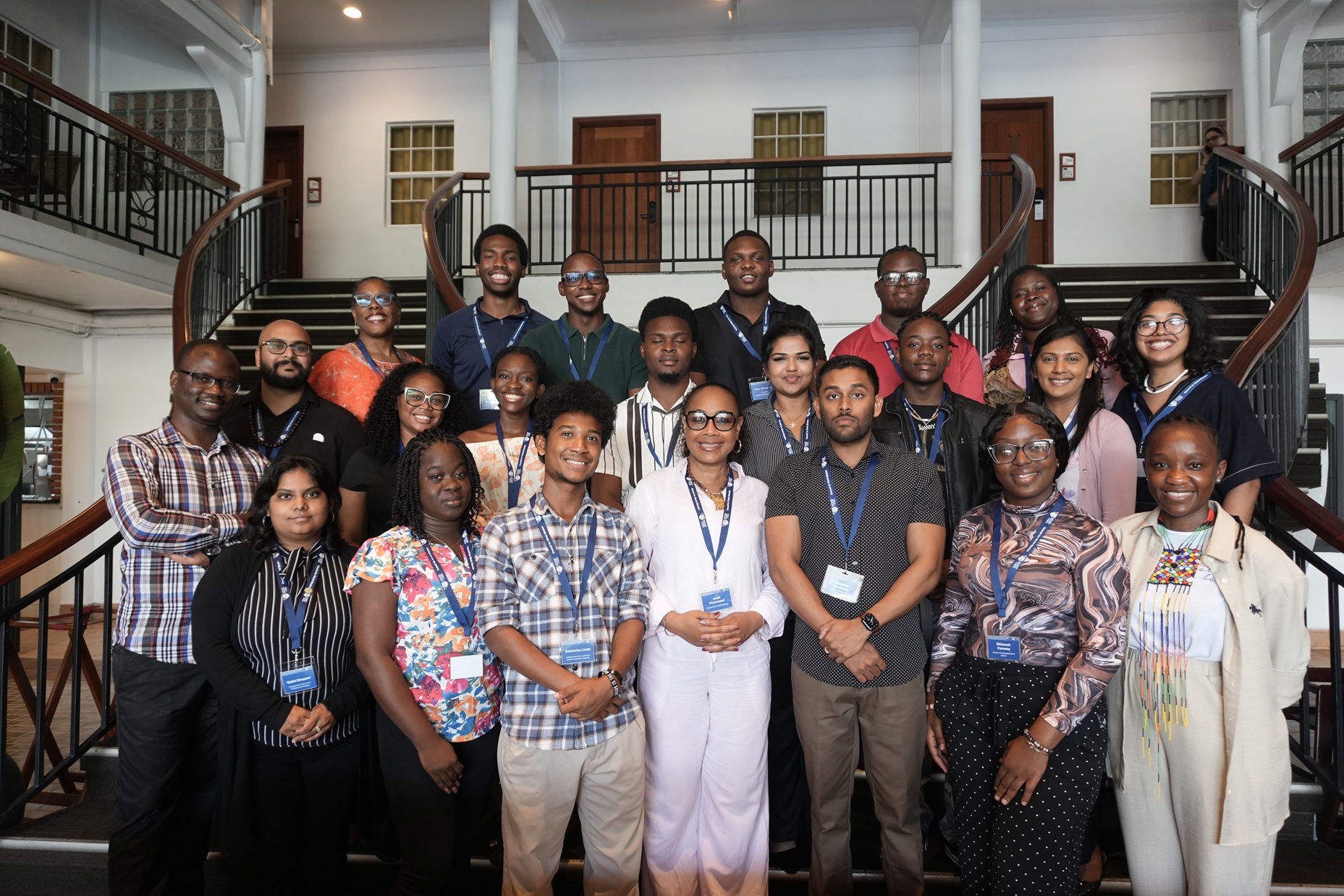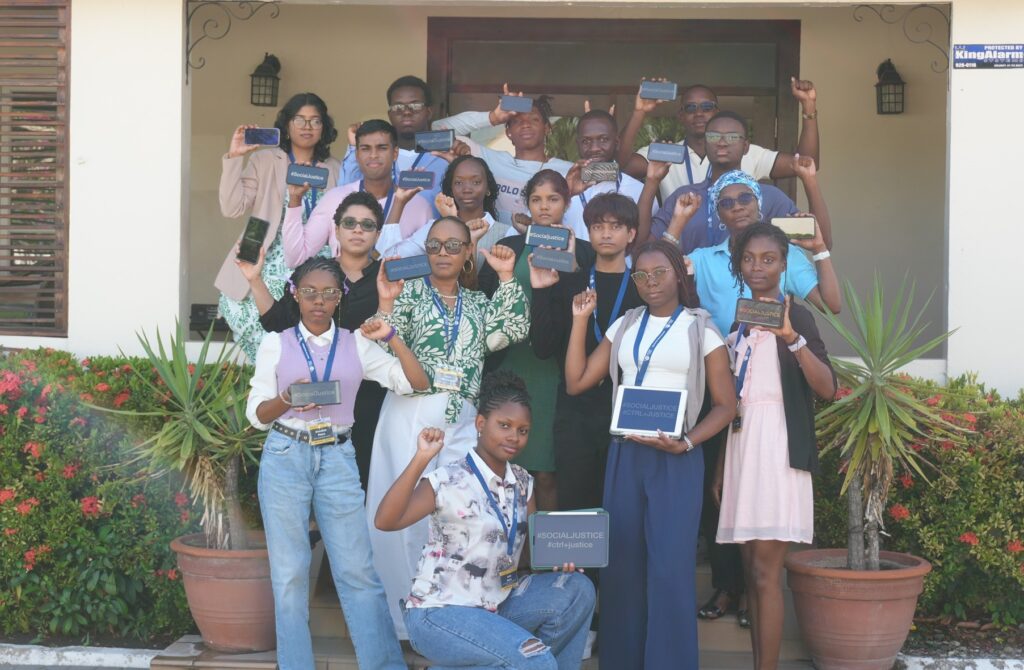
From 19-23 August, the Council for World Mission’s (CWM) programme team for Social Justice organised a seminar, “Caribbean Youth Initiative on Digital Wokeness and Digital Justice,” addressing the varied promises and perils of the Fourth Industrial Revolution.
Unlike the third Industrial Revolution that witnessed the transition from analogue to digital, the fourth is now characterised by the rapid rise of digital technology that reshapes and blurs the boundaries between the physical, digital, and biological.
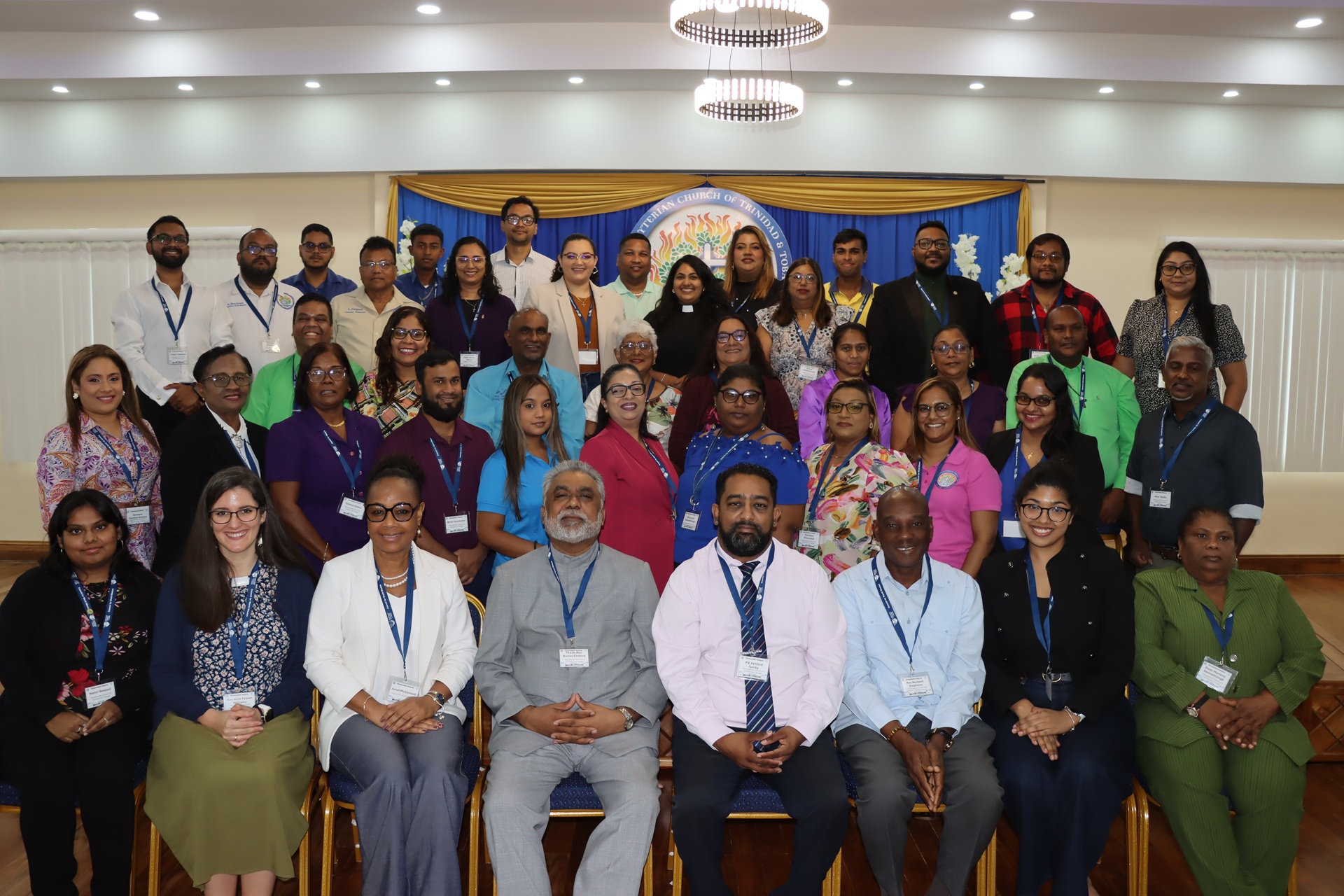
Taking place in Kingston, Jamaica, and attended by youth participants representing all three CWM member churches of the region – Guyana Congregational Union (GCU), Presbyterian Church of Trinidad and Tobago (PCTT), and United Church in Jamaica and the Cayman Islands (UCJCI), the seminar, themed “Digital Wokeness…CTRL + Justice,” took a hard look at the impact of technologies like social media and artificial intelligence and their effects on the identities, relationships, and mental wellbeing of youths in the region.
Through various panels and presentations that featured intense theological reflections, ethical inquiries, psychological insights, and legal analyses, the seminar empowered participants to reimagine digital spaces as platforms for justice, inclusion, and faithful mission, rather than as tools of exclusion, surveillance, or harm.
The Caribbean – a region inundated by an information tsunami
The rapid proliferation of digital technologies and social media platforms in Guyana alone has led to significant challenges related to attention overload, adversely affecting individuals’ mental wellbeing and productivity.
A report released in January 2025 numbered Guyana’s internet users at approximately 681,000, representing an 81.7% penetration rate. Social media usage was also identified as particularly substantial, with 528,000 users accounting for 63.4% of the total population.
Social media incursion into the lives of the Caribbean has significantly reshaped the information landscape, often prioritising sensational content over accuracy, creating profound implications for public perception, mental health, and societal trust.
“The seminar is instrumental in inviting youths to reimagine digital spaces as platforms for justice, inclusion, and faithful mission, rather than as tools of exclusion, surveillance, or harm,” elaborated Janet McConnell, CWM Mission Secretary for Social Justice.
While tangling with hard facts and figures, the seminar turned its attention onto the Bible as a source of light over the dark allures of the virtual information superhighway.
Guided by Luke 4:18, Micah 6:8, and Amos 5:24, the seminar fully affirmed God’s call to proclaim good news, act justly, love mercy, and liberate the oppressed also extends fully into the digital realm.
“As followers of Christ and participants in the Missio Dei (God’s mission), we affirm that justice in the digital sphere is an essential expression of God’s love and concern for the poor and marginalised,” said McConnell, adding that the Sermon on the Mount (Matthew 5) also further reminds the church that God’s “kin-dom” is for the vulnerable and chooses a preferential option for the poor not only in physical spaces but also within the digital realm.
Mobilising Caribbean youths as digital justice change-makers
Over the course of the seminar, young participants reached a common consensus to cease being mere bystanders where injustice is being meted out in the digital space and instead transform into change-makers who intentionally advocate for ethical, legal, and faith-based principles.
There was also a collective agreement reached in leveraging digital technologies for wealth creation and personal advancement underpinned by Christian principles.
The youths’ commitment will materialise in the forms of two videos to be launched later in the year to showcase growth of their knowledge in social and digital justice matters, theology, and Christian responsibility.
Perhaps as a playful nod towards the anonymity of the digital sphere, a participant who did not wish to be named, declared emphatically, “Before this Caribbean Youth Initiative, I did not see myself as having any responsibility in the digital space. Now I know that I have a role to play!”